Categories Stem Cell Therapy

Cost of Stem Cell Therapy in Ahmedabad: What Patients Should Know Before Paying

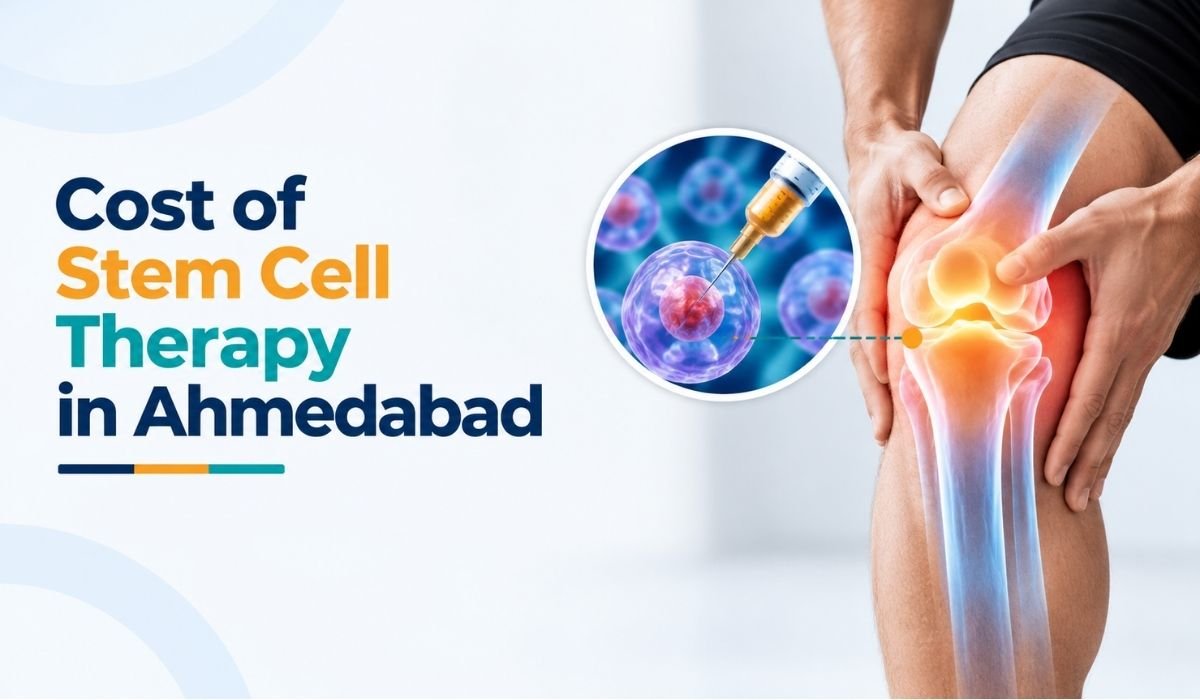
Cost of stem cell therapy in Ahmedabad showing a knee joint illustration and stem cell treatment imagery

Quick Answer

There is no single price, because “stem cell therapy” covers very different treatments. Published figures for bone marrow (stem cell) transplant for blood disorders run from about ₹14 lakh to ₹28 lakh. A CDSCO-approved cell product for grade II–III knee osteoarthritis was reported at about ₹1.25 lakh per injection when it launched in 2022. Other “stem cell” injections for pain are not approved standard care in India, so the first question should be about approval, not price.

Quick Summary

  • Three different things share the name: transplant, one approved knee product, and unapproved injections.
  • Transplant costs are high because they are hospital-based treatments for blood disease, not pain care.
  • Knee osteoarthritis is the one pain-related use with a CDSCO-approved cell product in India.
  • Guidelines remain cautious: evidence quality is limited and results are not guaranteed.
  • Under 2026 advisories, treatment outside approved uses or trials is described as illegal.
  • A written estimate and a clear answer on approval matter more than the lowest quote.

Introduction

If you live with long-standing knee or joint pain, you have probably seen stem cell therapy advertised with a price. Those prices are hard to compare because the phrase covers treatments that differ in purpose, regulation and evidence. This guide explains what drives cost, what is approved, and what to ask before you pay.

Why “Stem Cell Therapy Cost” Has No Single Answer

Online price pages often place a transplant and a knee injection side by side. They are not comparable.

TreatmentStatus in India (as reported)Published cost indicationMain cost drivers
Hematopoietic stem cell (bone marrow) transplantStandard care for listed blood and oncology conditionsAbout ₹14–28 lakh (aggregator figure)Donor type, hospital stay, complications, drugs
CDSCO-approved allogeneic cell injection for knee osteoarthritisApproved product (2022) for knee OAAbout ₹1.25 lakh per injection at 2022 launch; verify current priceProduct, ultrasound guidance, imaging, follow-up
Other “stem cell” injections for pain, spine, nerve or neurological conditionsInvestigational; permitted only in approved trialsQuotes vary; no reliable benchmarkClinic pricing, cell source, packaging


Bone Marrow (Stem Cell) Transplant Cost

Hematopoietic stem cell transplantation treats leukaemia, lymphoma and certain other blood disorders. One aggregator lists a starting cost of ₹14 lakh and a range up to ₹28 lakh in Ahmedabad, with hospital stays of two to six weeks. Cost depends on whether cells come from the patient (autologous) or a donor (allogeneic), and on complications. It is a haematology and oncology service, separate from pain care.

Stem Cell Injections for Knee Osteoarthritis: Where Cost Meets Regulation

In 2022, India’s drug regulator cleared StemOne, marketed by Alkem and developed by Stempeutics, as the first allogeneic cell therapy approved for commercial use in knee osteoarthritis. It is given as a single intra-articular injection, and the company describes it for grade II and III disease. A brokerage note at launch reported a price of about ₹1.25 lakh per injection. Confirm the current price directly, because it is a 2022 figure.

The product price is not the whole bill. A realistic estimate may also include consultation, X-ray or MRI, image-guided administration, procedure or day-care charges, and follow-up visits. Ask for each item in writing.

What the evidence says

Approval does not mean certainty. The 2019 American College of Rheumatology and Arthritis Foundation guideline strongly recommends against stem cell injections for knee and hip osteoarthritis, citing inconsistent preparations. A 2017 systematic review in the British Journal of Sports Medicine found that all included trials carried a high risk of bias. A phase 3 randomised placebo-controlled study of the approved product has since been published, so the picture is evolving. No injection can promise to rebuild cartilage or work for everyone.

Why Quoted Prices Vary So Widely

A US study that contacted 273 centres found that only 65 would give a price for a single knee injection. The mean was about USD 5,156, ranging from USD 1,150 to USD 12,000. That is an American market snapshot, not an Indian price, but it shows how wide quotes can be. Differences usually reflect clinic positioning, product, guidance equipment, joints treated and follow-up, not proven differences in results. Insurance cover is not guaranteed, so check with your insurer first.

India’s 2026 Rules: What to Check Before You Pay

The National Guidelines for Stem Cell Research (2017) treat stem cell use outside approved hematopoietic indications as investigational. In late January 2026 the Supreme Court, ruling on autism treatment, held that consent alone does not make an unvalidated therapy acceptable. As reported, a March 2026 NMC advisory limits routine use to 32 listed conditions, says any treatment not on that list or not approved by CDSCO or the Department of Health Research is illegal, and notes that trial participants cannot be charged. A further NMC advisory in September 2026 reportedly treats promotion beyond approved indications as professional misconduct.

Before paying anyone, ask:

  1. Which exact product or cells will be used, and is it CDSCO-approved for my condition?
  2. Is this a listed standard-care use or an approved trial? If a trial, why am I being charged?
  3. What does the written estimate include, and what happens if I need a repeat injection?
  4. What does the evidence show for my specific condition and stage?
  5. What non-stem-cell options exist, and how do they compare?

Non-Surgical Options Worth Comparing

For knee osteoarthritis, guideline-supported care usually starts with exercise and physiotherapy, weight management and pain medicines. Beyond that, doctors may discuss intra-articular injections, genicular nerve radiofrequency ablation for persistent pain, or surgery for advanced disease. Platelet-rich plasma (PRP) is made from your own blood and is not a stem cell treatment, though guidelines on it are also mixed. A pain specialist can explain which fits your scan findings.

Expert Insight

The most useful cost question is not “how much?” but “approved for what, and by whom?” A high price does not signal quality.

Common Mistakes

  • Comparing a transplant price with a knee injection price.
  • Paying a large package fee before seeing the written estimate.
  • Treating a signed consent form as proof that a treatment is approved.

Myths vs Facts

MythFact
Stem cell therapy is a proven cure for arthritis.No treatment is proven to reverse osteoarthritis. Guidelines are cautious and evidence is still developing.
A higher price means better cells.Price reflects clinic and market factors, not approval status or outcomes.
If I consent, any clinic can treat me.The Supreme Court ruling reported in 2026 says consent does not legitimise an unvalidated therapy.

Practical Action Plan

  1. Get a diagnosis and imaging review from a qualified specialist first.
  2. Write down the exact treatment name, product and indication you are offered.
  3. Ask for an itemised written estimate and the approval or trial status in writing.
  4. Compare at least one non-surgical alternative and ask about expected benefit and risks.
  5. Take time to decide; avoid same-day payment pressure.

Nexus Advanced Pain Management Expert Summary

Stem cell treatment costs differ because the treatments differ. Transplant is a hospital service for blood disease. One cell product has CDSCO approval for knee osteoarthritis, with cautious guideline support. Other uses remain investigational. Patients are best served by clear information on approval, evidence and total cost, and by knowing that no option carries a guaranteed result.

How Nexus Advanced Pain Management Can Help

Nexus Advanced Pain Management offers a comprehensive pain assessment so that treatment choices start from a clear diagnosis rather than a price list. This includes explaining which options are appropriate, permitted and evidence-supported for your condition, discussing regenerative approaches and their regulatory status honestly, and reviewing non-surgical choices such as injections, PRP therapy and radiofrequency ablation where suitable. You can also ask for a written, itemised estimate after assessment. The aim is an informed, patient-first treatment plan.

Key Takeaways

  • “Stem cell therapy” includes transplant, one approved knee product and unapproved injections.
  • Transplant figures of ₹14–28 lakh do not apply to knee or pain treatment.
  • The approved knee product was reported near ₹1.25 lakh per injection in 2022; verify today’s price.
  • Guidelines advise caution and results cannot be guaranteed.
  • Under 2026 advisories, unapproved use outside trials is described as illegal.
  • Trial participants cannot be charged, so a fee should prompt questions.

Frequently Asked Questions

How much does stem cell therapy cost in Ahmedabad?

It depends on the treatment. Aggregator pages list ₹14–28 lakh for bone marrow transplant, and an approved knee osteoarthritis product was reported near ₹1.25 lakh per injection in 2022 before other charges. Confirm current figures in writing.

Is stem cell therapy for knee pain legal in India?

A CDSCO-approved product exists for knee osteoarthritis. Other stem cell treatments outside listed standard-care uses are described by the NMC and ICMR as illegal unless part of an approved trial.

Why do clinics quote such different prices?

Prices reflect the product, guidance equipment, follow-up, clinic positioning and what is bundled. Higher prices do not show better outcomes.

Is stem cell therapy covered by health insurance?

Coverage is not guaranteed. Ask your insurer in writing, naming the exact treatment, before proceeding.

Is PRP the same as stem cell therapy?

No. PRP concentrates platelets from your own blood. Guidelines on PRP are also mixed, so discuss suitability with a specialist.

Can stem cell therapy treat back pain or a slip disc?

It is not an approved standard-care indication in India and is treated as investigational outside approved trials.

What should I ask before agreeing to treatment?

Ask which product is used, whether it is CDSCO-approved for your condition, what the written estimate includes, and what alternatives exist.

Categories Stem Cell Therapy, PRP Therapy

Stem Cell Therapy vs PRP: Which Is Better for Pain Relief?

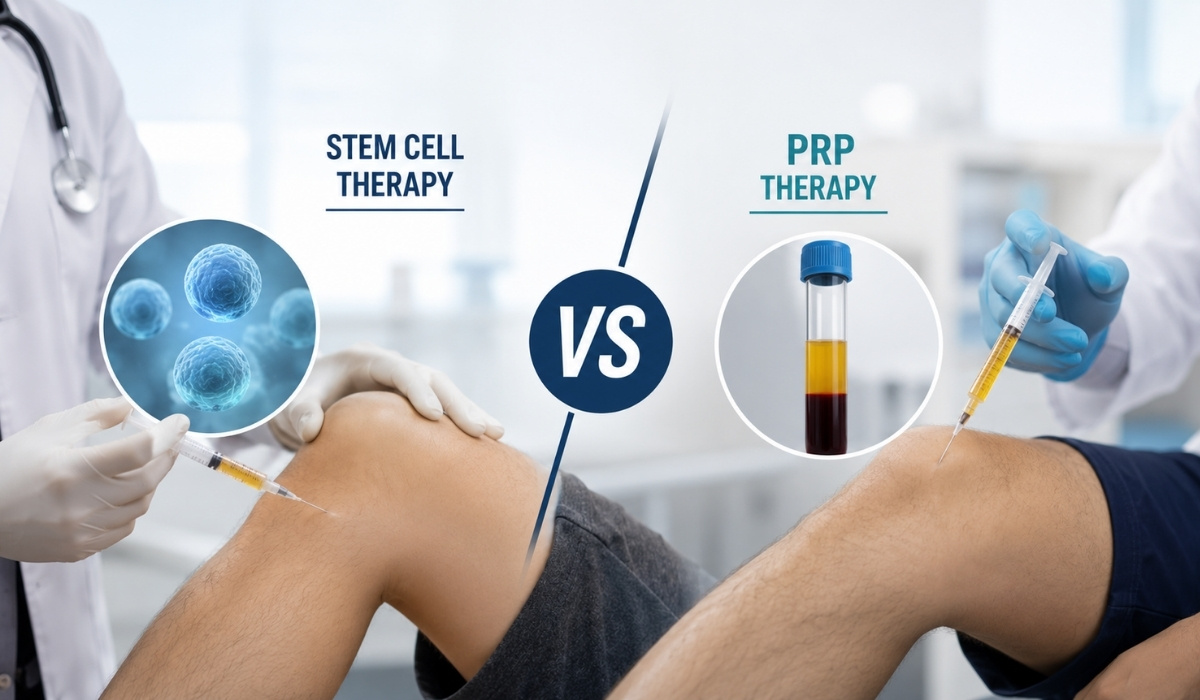
Stem Cell Therapy vs PRP Therapy comparison for knee pain treatment showing regenerative medicine injection procedures

Quick Answer

Neither treatment is universally “better” — the right choice depends on how advanced your condition is. PRP is generally the first-line regenerative option for mild-to-moderate joint pain and tendon injuries, offering good evidence, lower cost, and minimal downtime. Stem cell therapy is typically reserved for more advanced joint degeneration or cases where PRP hasn’t given lasting relief, and comes with a higher cost and a less mature (though growing) evidence base. Many patients do well starting with PRP and stepping up to stem cell therapy only if needed.


Quick Summary

  • PRP uses your own concentrated platelets; stem cell therapy uses regenerative cells capable of differentiating into tissue-specific cells.
  • PRP has stronger, more consistent clinical evidence for mild-to-moderate osteoarthritis and tendon injuries.
  • Stem cell therapy shows promise for moderate-to-severe joint degeneration, but evidence is still evolving.
  • PRP is less invasive, cheaper, and has a shorter recovery window than stem cell therapy.
  • Stem cell therapy generally costs more and may need advanced evaluation before treatment.
  • Neither treatment cures arthritis or reverses joint damage — both aim to relieve pain and support function.
  • The right choice depends on your diagnosis, severity, prior treatments, and goals — not marketing claims.
  • A qualified interventional pain specialist should assess imaging and history before recommending either option.

Introduction

If you’ve been living with joint pain, a stubborn tendon injury, or early-stage osteoarthritis, chances are you’ve come across two terms again and again while researching non-surgical options: PRP (platelet-rich plasma) therapy and stem cell therapy. Both fall under the umbrella of regenerative medicine, both use substances derived from your own body, and both are marketed as alternatives to surgery. That overlap is exactly why so many patients get confused about which one actually fits their situation.

At Nexus Advanced Pain Management in Ahmedabad, this is one of the most common questions we hear from patients exploring non-surgical pain treatment in Ahmedabad. This article breaks down how PRP and stem cell therapy actually work, where each one shines, what the evidence says, and how to think about cost and recovery — so you can have an informed conversation with your pain specialist rather than choosing based on which clinic markets harder.

What Is PRP Therapy?

Platelet-rich plasma (PRP) therapy involves drawing a small sample of your own blood, spinning it in a centrifuge to concentrate the platelets, and injecting that concentrate into the injured or painful area. Platelets release growth factors that signal the body to accelerate its own natural healing and reduce inflammation at the injection site.

  • Best suited for: tendon injuries, ligament strains, mild-to-moderate osteoarthritis, and early cartilage wear.
  • Procedure type: minimally invasive, typically completed in under an hour.
  • Recovery: most patients resume normal activity within a few days.

What Is Stem Cell Therapy?

Stem cell therapy uses cells capable of transforming into various specialized cell types — including cartilage, bone, and connective tissue. In pain management, these cells are most often harvested from the patient’s own bone marrow or adipose (fat) tissue, then processed and injected into the damaged joint or tissue with the goal of supporting tissue repair rather than just reducing inflammation.

  • Best suited for: moderate-to-severe joint degeneration and cases where PRP alone hasn’t provided lasting relief.
  • Procedure type: more involved, often requiring a harvesting step (bone marrow or fat aspiration) before injection.
  • Recovery: generally longer than PRP, with more variability between patients.

Key Differences Between PRP and Stem Cell Therapy

FactorPRP TherapyStem Cell Therapy
Source MaterialConcentrated platelets from your bloodRegenerative cells from bone marrow or fat tissue
MechanismBoosts the body’s natural healing responseSupports tissue repair and regeneration directly
Best ForMild-to-moderate OA, tendon/ligament injuriesModerate-to-severe joint degeneration
InvasivenessLow — single blood draw and injectionModerate — harvesting step plus injection
Evidence BaseStronger, more consistent across studiesGrowing, but still less mature
Typical Cost (India)LowerHigher
DowntimeMinimal, daysSlightly longer, individualized
Number of SessionsOften 1–3Usually 1, occasionally repeated

What Does the Evidence Say?

Clinical research on both treatments has expanded considerably in recent years. For mild-to-moderate knee osteoarthritis and tendon conditions, multiple studies and meta-analyses show PRP outperforming older injection options like corticosteroids for pain relief and function, with a favorable safety profile. Stem cell therapy has a smaller but growing body of evidence, with several trials reporting meaningful improvement in pain and function scores for patients with moderate-to-advanced osteoarthritis — particularly those who haven’t responded well to PRP or hyaluronic acid.

It’s worth being clear-eyed here: neither treatment reverses arthritis or guarantees a specific outcome. Response varies from patient to patient based on the severity of joint damage, overall health, and how the treatment is administered. Any clinic that promises a guaranteed cure with either treatment is not giving you an evidence-based picture.

Expert Insight

“In our experience, the biggest factor in outcome isn’t which treatment you pick — it’s how accurately the underlying condition has been diagnosed. A patient with early cartilage wear treated with PRP often does just as well as one who jumps straight to stem cell therapy, at a fraction of the cost.” — Nexus Pain Clinical Team


Safety and Risk Considerations

Both treatments use material derived from your own body, which significantly lowers the risk of allergic reaction or rejection compared to synthetic injectables. That said, both carry standard injection-related risks: temporary soreness, swelling, or infection at the injection site. Stem cell therapy, because it involves a harvesting step, carries a slightly broader risk profile simply due to the additional procedure involved.

  • Discuss your full medical history, including blood thinners or clotting conditions, before either procedure.
  • Ask whether the clinic uses image guidance (ultrasound or fluoroscopy) for injection accuracy.
  • Clarify how the platelet or cell concentration is processed and verified before injection.

Cost Comparison: PRP vs Stem Cell Therapy

Cost is one of the most common deciding factors for patients in Ahmedabad and across Gujarat. As a general pattern, PRP therapy costs meaningfully less than stem cell therapy per session, largely because the preparation process is simpler and doesn’t require a separate harvesting procedure. Stem cell therapy’s higher cost reflects the additional processing, equipment, and clinical time involved. Exact pricing varies by clinic, the joint or area being treated, and the number of sessions recommended — your pain specialist can provide a personalized estimate after evaluation.

Common Mistakes to Avoid

1. Choosing stem cell therapy over PRP simply because it sounds more “advanced,” without a clinical reason.

2. Expecting a single injection to permanently reverse years of joint wear.

3. Skipping proper imaging or diagnosis and going straight to a regenerative treatment based on symptoms alone.


Myths vs Facts

MythFact
Stem cell therapy always works better than PRP.Effectiveness depends on the condition and its severity — PRP outperforms in many mild-to-moderate cases.
PRP and stem cell therapy are the same thing.They use different biological material and work through different mechanisms.
These treatments can cure arthritis.Both aim to relieve pain and improve function; neither reverses underlying joint damage.
More expensive automatically means more effective.Cost reflects the complexity of preparation, not a guarantee of better outcomes for every patient.

Questions Patients Forget to Ask

  • How many years of experience does the specialist have performing this specific procedure?
  • Is image guidance used to ensure precise injection placement?
  • What realistic percentage of patients with my condition see meaningful improvement?
  • What is the plan if this treatment doesn’t provide sufficient relief?
  • How is the platelet or cell sample processed, and is it done in-house?

Practical Action Plan

  1. Get an accurate diagnosis with clinical examination and relevant imaging (X-ray/MRI as needed).
  2. Discuss severity grading — mild-to-moderate cases often start with PRP.
  3. Ask about evidence specific to your condition, not general marketing claims.
  4. Compare cost and expected number of sessions for both options with your specialist.
  5. Set realistic expectations — track pain and function over 6–12 weeks post-treatment.

Nexus Pain Expert Summary

PRP and stem cell therapy are both valuable tools in non-surgical pain management, but they aren’t interchangeable. PRP is typically the appropriate first step for mild-to-moderate joint pain and tendon injuries, offering solid evidence, lower cost, and quick recovery. Stem cell therapy becomes more relevant for advanced degeneration or when PRP hasn’t delivered lasting results. The most important step isn’t picking a treatment name — it’s getting an accurate diagnosis from a qualified interventional pain specialist who can match the treatment to your specific condition.

Key Takeaways

  • PRP and stem cell therapy work differently — one boosts natural healing, the other supports tissue regeneration directly.
  • PRP generally suits mild-to-moderate conditions; stem cell therapy suits more advanced degeneration.
  • PRP is less invasive and more affordable; stem cell therapy costs more due to added processing.
  • Neither treatment guarantees a cure — both aim for meaningful pain relief and improved function.
  • An accurate diagnosis matters more than which treatment name sounds more advanced.
  • Always ask about evidence, technique (image guidance), and realistic outcomes before deciding.

How Nexus Pain Can Help

Choosing between PRP and stem cell therapy starts with an accurate, individualized assessment — not a one-size-fits-all recommendation. At Nexus Advanced Pain Management, patients receive a comprehensive pain assessment that considers imaging, severity, and prior treatment history before any regenerative option is discussed.

  • Comprehensive pain assessment and diagnostic evaluation
  • Evidence-based treatment planning tailored to condition severity
  • Access to non-surgical pain management and interventional pain procedures
  • Personalized treatment planning rather than a default protocol

FAQ Section

Is stem cell therapy better than PRP for knee pain?

Not universally. PRP tends to work well for mild-to-moderate knee osteoarthritis, while stem cell therapy is generally considered for more advanced degeneration or when PRP hasn’t provided lasting relief.

What is the main difference between PRP and stem cell therapy?

PRP uses concentrated platelets from your blood to boost natural healing, while stem cell therapy uses regenerative cells from bone marrow or fat tissue that can support direct tissue repair.

Which treatment is more affordable, PRP or stem cell therapy?

PRP is generally less expensive because its preparation process is simpler and doesn’t require a separate harvesting procedure like stem cell therapy does.

How long does pain relief from PRP last?

Relief duration varies by patient and condition, but many patients report benefits lasting several months to about a year, particularly for tendon injuries and mild-to-moderate osteoarthritis.

How long does pain relief from stem cell therapy last?

Duration varies widely between patients and depends on the severity of joint damage; some patients report benefits lasting a year or more, though more research is still needed.

Is stem cell therapy safe?

Since the cells are typically taken from your own body, the risk of rejection is low. As with any injection-based procedure, there are standard risks like soreness or infection at the injection site.

Can PRP and stem cell therapy be combined?

In some cases, specialists may consider combining approaches depending on the condition, though this decision should always be based on individual evaluation rather than a default protocol.

Do PRP or stem cell injections hurt?

Most patients report mild discomfort similar to a routine injection. Local anesthesia and image guidance are often used to minimize discomfort and improve accuracy.

How many sessions of PRP or stem cell therapy are needed?

PRP is often given in one to three sessions spaced a few weeks apart, while stem cell therapy is more commonly a single session, occasionally repeated based on response.

Are PRP and stem cell therapy covered by insurance in India?

Coverage varies significantly by insurer and policy. It’s best to confirm directly with your insurance provider and the treating clinic before proceeding.

Who is not a good candidate for these treatments?

Patients with active infections, certain blood disorders, or very advanced bone-on-bone joint damage may not be ideal candidates — a clinical evaluation determines suitability.

Where can I get PRP or stem cell therapy in Ahmedabad?

Nexus Advanced Pain Management in Ahmedabad offers evaluation and evidence-based regenerative treatment planning for eligible patients as part of its non-surgical pain management services.

Categories Regenerative Therapy, Stem Cell Therapy

The Role of Stem Cell Therapy in Regenerative Pain Management

Chronic pain is a persistent and often debilitating condition that affects millions worldwide. Traditional pain management strategies, such as medications, physical therapy, or injections, can provide relief but often do not address the root cause of tissue damage or degeneration. In recent years, stem cell therapy has emerged as a revolutionary approach in regenerative medicine, offering the potential to repair damaged tissues and restore normal function, rather than merely masking symptoms.

What is Stem Cell Therapy?

Stem cells are unique cells capable of developing into different cell types and regenerating damaged tissues. In the context of pain management, stem cell therapy involves harvesting stem cells from a patient’s own body, typically from bone marrow or adipose (fat) tissue, and introducing them into injured areas to promote natural healing. These cells can differentiate into cartilage, bone, or nerve tissue, depending on the targeted area, making them an ideal solution for degenerative conditions that cause chronic pain.

How Stem Cell Therapy Helps in Pain Management

Stem cell therapy addresses the underlying causes of pain by promoting tissue regeneration and reducing inflammation. Some of the ways it contributes to pain relief include:

  1. Cartilage Regeneration: Osteoarthritis and joint degeneration are major sources of chronic pain. Stem cells can differentiate into cartilage cells, repairing damaged joints and improving mobility.
  2. Nerve Repair: Chronic neuropathic pain often arises from nerve damage. Stem cells can support nerve regeneration, potentially reducing nerve-related discomfort.
  3. Reduced Inflammation: Stem cells release anti-inflammatory molecules that help reduce swelling and pain in affected areas.
  4. Tissue Healing: Injuries to tendons, ligaments, or muscles can result in long-term pain. Stem cells accelerate the healing process, restoring function and strength.

By promoting actual tissue repair rather than simply alleviating symptoms, stem cell therapy represents a paradigm shift in pain management.

Conditions Treated with Stem Cell Therapy

Stem cell therapy has shown promise in treating a wide range of chronic pain conditions, including:

  • Osteoarthritis: Particularly in knees, hips, and shoulders, where cartilage degradation is common.
  • Degenerative Disc Disease: Stem cells can help restore damaged spinal discs, reducing back pain.
  • Tendon and Ligament Injuries: Conditions such as rotator cuff injuries or Achilles tendon damage can benefit from regenerative therapy.
  • Neuropathic Pain: Nerve injuries causing burning or shooting pain may improve with stem cell treatments.
  • Sports Injuries: Athletes with persistent pain due to ligament or cartilage injuries often experience faster recovery.

The Procedure

Stem cell therapy is a minimally invasive procedure that can often be performed on an outpatient basis. The typical process involves:

  1. Harvesting: Stem cells are extracted from the patient’s bone marrow or fat tissue using a small, sterile procedure.
  2. Processing: The harvested cells are concentrated and prepared for injection.
  3. Injection: Under image guidance, stem cells are injected into the targeted area, such as a joint, tendon, or spinal disc.
  4. Recovery and Monitoring: Patients are usually monitored for several weeks. Physical therapy and follow-up assessments help ensure optimal outcomes.

Most patients experience gradual improvement over several weeks to months as the regenerative process takes place.

Advantages of Stem Cell Therapy

Stem cell therapy offers several advantages compared to conventional pain management approaches:

  • Non-surgical: Avoids invasive surgery and associated risks.
  • Natural Healing: Uses the patient’s own cells to promote regeneration.
  • Minimal Side Effects: Reduced risk of complications or rejection compared to synthetic implants or medications.
  • Long-term Relief: Targets the root cause of pain rather than temporary symptom control.

Considerations and Limitations

While stem cell therapy is promising, it is not suitable for everyone. Patients with active infections, certain cancers, or severe systemic illnesses may not be eligible. Additionally, outcomes can vary depending on the condition being treated, the patient’s age, and overall health. Consulting with a qualified pain management specialist is essential to determine suitability and create a personalized treatment plan.

Future of Stem Cell Therapy in Pain Management

Research in regenerative medicine continues to expand, and stem cell therapy is at the forefront of innovation. Ongoing studies are exploring ways to enhance cell survival, improve targeting to damaged tissues, and combine stem cells with other regenerative techniques for even more effective pain relief.

Conclusion

Stem cell therapy is transforming the way chronic pain is managed, offering a regenerative approach that addresses the root cause rather than masking symptoms. Patients suffering from degenerative joint conditions, nerve injuries, or persistent musculoskeletal pain can benefit from this minimally invasive and highly effective treatment. For those seeking advanced, patient-centered solutions for chronic pain, Nexus Advanced Pain Management provides expert care and innovative stem cell therapies designed to improve quality of life and restore mobility naturally.