Categories Neck Pain

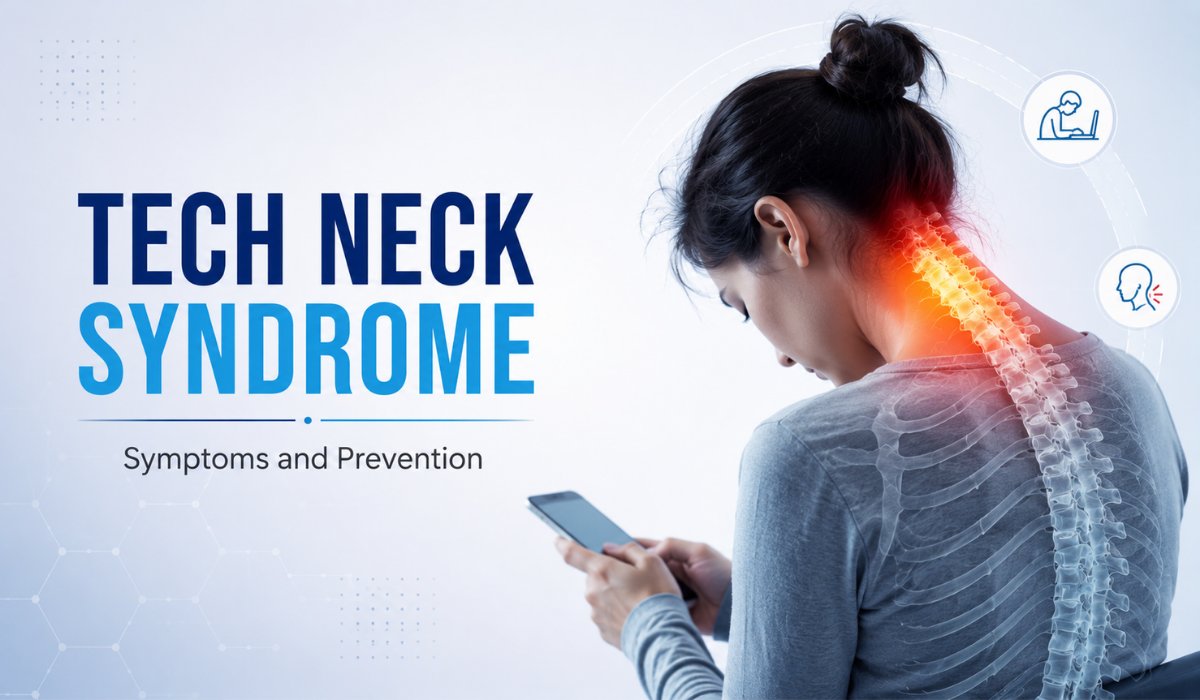
Tech Neck Syndrome: Symptoms and Prevention

tech neck syndrome

Quick Answer

 Tech neck syndrome is neck and upper-back strain caused by prolonged forward head posture while looking down at phones, laptops, or tablets. Common symptoms include neck stiffness, upper back pain, headaches, and rounded shoulders. It is generally manageable with posture correction, ergonomic changes, targeted exercises, and — when pain persists — evaluation by a pain management specialist.

Quick Summary

Key Takeaways at a Glance

●        Tech neck results from repeated forward head tilt while using digital devices.

●        Every inch the head tips forward multiplies the load on the cervical spine.

●        Common symptoms: neck stiffness, headaches, shoulder tightness, and reduced mobility.

●        Desk workers, students, and frequent smartphone users are at highest risk.

●        Most cases improve with posture correction, ergonomic adjustments, and physiotherapy.

●        Ignoring symptoms for years can contribute to long-term postural and spinal strain.

●        Persistent or worsening pain should be evaluated by a pain management specialist.

Introduction

If your neck feels stiff by mid-afternoon, or you reach for a phone and instantly feel a pull at the base of your skull, you are not alone. “Tech neck” has become one of the most common postural complaints seen in clinics today, driven by hours spent looking down at smartphones, laptops, and tablets. It is not a formal medical diagnosis in itself, but a recognizable pattern of strain that, over time, can affect the muscles, joints, and nerves of the cervical spine.

This article explains what tech neck syndrome is, why it develops, how to recognize it, and — most importantly — practical, evidence-based ways to prevent and manage it.

What Is Tech Neck Syndrome?

Tech neck syndrome, sometimes called “text neck,” describes the cumulative strain placed on the neck and upper back from repeatedly holding the head in a forward, tilted position while using digital devices. The human head weighs roughly 4.5–5.5 kg in a neutral position, but as it tips forward, the effective load on the cervical spine increases sharply — tilting to just 60 degrees can place the equivalent of 27 kg of force through the neck muscles and joints.

Over months or years, this repeated loading can lead to muscle fatigue, joint irritation, and postural changes such as forward head posture and rounded shoulders.

Symptoms of Tech Neck Syndrome

  • Persistent stiffness or tightness at the base of the neck
  • Dull, aching pain across the upper back and shoulders
  • Tension-type headaches, often starting at the back of the head
  • Reduced range of motion when turning or tilting the head
  • Rounded shoulders or a visibly forward-jutting head posture
  • Tingling or numbness radiating into the arms in more advanced cases
  • Fatigue in the neck and shoulder muscles by the end of the day

Symptoms are usually mild and intermittent at first, which is why many people delay addressing them until the discomfort becomes a daily occurrence.

Causes of Tech Neck Syndrome

  • Prolonged smartphone use with the head tilted downward
  • Laptop use without an external monitor, keyboard, or stand
  • Poor desk ergonomics — screens positioned too low or too far
  • Long, uninterrupted screen sessions without posture breaks
  • Weak deep neck flexor and upper back muscles
  • Sleeping positions that keep the neck flexed or unsupported

Risk Factors

  • Desk-based and remote workers spending 6+ hours on screens daily
  • Students using tablets or phones for extended study sessions
  • Individuals with pre-existing postural imbalances
  • People who primarily use smartphones rather than larger screens
  • Sedentary lifestyle with limited upper back and core strengthening

How Tech Neck Is Diagnosed

Tech neck is typically identified through a clinical assessment rather than imaging alone. A pain specialist or physiotherapist will usually review posture, screen-use habits, muscle tenderness, and neck range of motion. If symptoms are more advanced, persistent, or accompanied by arm numbness, imaging such as an X-ray or MRI may be recommended to rule out underlying cervical spine conditions like disc degeneration or nerve compression.

Treatment Options

Non-Surgical Treatment Approaches

  • Postural retraining and ergonomic correction
  • Targeted physiotherapy to strengthen deep neck flexors and upper back muscles
  • Stretching routines for the chest, upper trapezius, and levator scapulae
  • Heat therapy or therapeutic massage for muscle tension
  • Activity modification — scheduled screen breaks and device positioning

Most people with tech neck respond well to conservative, non-surgical care, and surgery is rarely required. If imaging and clinical evaluation confirm an underlying structural cervical condition rather than simple postural strain, a pain specialist may discuss evidence-based interventional options such as radiofrequency ablation or a targeted nerve block — but these are not first-line treatments for tech neck itself.

Prevention Tips

  • Hold devices at eye level rather than looking down
  • Position laptop or monitor screens at eye height using a stand
  • Follow the 20-20-20 rule — every 20 minutes, look 20 feet away for 20 seconds
  • Take a posture or movement break every 30–45 minutes
  • Strengthen upper back and neck-supporting muscles regularly
  • Use a supportive pillow that keeps the neck in a neutral position while sleeping
  • Set up a proper ergonomic workstation, even when working from home

Recovery and Rehabilitation

Recovery timelines vary depending on how long symptoms have been present. Mild, recently developed tech neck often improves within 2–4 weeks of consistent posture correction and stretching. More established cases with muscle imbalance may take 6–12 weeks of structured physiotherapy to see meaningful, lasting improvement. Long-term prevention depends on sustaining ergonomic habits even after symptoms resolve, since the underlying screen-use patterns typically remain unchanged.

Tech Neck vs. Cervical Spondylosis

FeatureTech Neck SyndromeCervical Spondylosis
Primary CauseProlonged forward head posture, muscular strainAge-related degeneration of cervical discs and joints
Typical Age GroupCommon across working-age adults and studentsMore common after age 40–45
Structural ChangesUsually none on imaging in early stagesDisc thinning, bone spurs visible on imaging
ReversibilityOften improves fully with posture and exerciseManageable, but degenerative changes are not reversible
Typical TreatmentErgonomics, physiotherapy, stretchingPhysiotherapy, pain management, occasionally interventional care

Expert Insight Sections

Expert Insight #1 — The 60-Degree Problem

A common mistake is assuming neck pain only comes from awkward sitting. In reality, even a mild 45–60 degree forward head tilt — the average angle used while texting — multiplies spinal load several times over. Correcting device height is often more impactful than correcting the chair.

Expert Insight #2 — Muscle Imbalance Is the Real Driver

Tech neck is rarely just about the neck. Tight chest muscles paired with weak upper back and deep neck flexor muscles create the classic “upper crossed” pattern. Long-term relief usually requires strengthening the weak muscles, not just stretching the tight ones.

Expert Insight #3 — When to Stop Self-Managing

If symptoms persist beyond 4–6 weeks of consistent posture and exercise changes, or if numbness or tingling develops in the arms, this is a signal to see a pain specialist rather than continuing to self-treat.

Common Mistakes

  1. Only stretching the tight muscles while ignoring the weak, underactive ones that need strengthening.
  2. Raising the phone briefly for photos but reverting to a downward gaze during normal browsing and messaging.
  3. Waiting until pain becomes constant before seeking a professional assessment, allowing postural patterns to become deeply ingrained.

Myths vs. Facts

MythFact
Tech neck only affects people who work at a desk all day.Frequent smartphone use alone — even without a desk job — can cause tech neck.
Tech neck always requires surgery to fix.The large majority of cases improve with posture correction and physiotherapy; surgery is rarely needed.
A quick stretch once a day is enough to reverse it.Consistent, structured strengthening over several weeks is usually needed for lasting change.
Neck pain from screens will simply go away on its own.Without addressing posture and screen habits, symptoms often persist or gradually worsen.

Questions Patients Forget to Ask

  • Could my headaches be related to my neck posture rather than a separate issue?
  • Should I get an X-ray or MRI, or is a clinical exam sufficient at this stage?
  • What specific exercises should I be doing, and how often?
  • Is my sleeping position contributing to the problem?
  • How will I know if my tech neck is improving versus progressing?

Practical Action Plan

  1. This week: Raise your phone and laptop screen to eye level and set a 30-minute break reminder.
  2. This week: Begin gentle chin-tuck and shoulder blade squeeze exercises, 2–3 sets daily.
  3. Next 2–4 weeks: Track whether stiffness and headaches are reducing in frequency.
  4. If no improvement after 4 weeks: Book an evaluation with a pain management or physiotherapy specialist.
  5. Ongoing: Reassess your workstation ergonomics every few months, especially after any equipment changes.

Nexus Pain Expert Summary

Tech neck syndrome is a manageable, posture-driven condition in the vast majority of cases. Early recognition and consistent ergonomic and exercise habits prevent most cases from progressing. Persistent pain, recurring headaches, or arm symptoms warrant a proper clinical evaluation to rule out underlying cervical spine involvement and to build a personalized, non-surgical management plan.

How Nexus Pain Can Help

For patients in Ahmedabad experiencing persistent neck stiffness, headaches, or postural discomfort linked to screen use, Nexus Advanced Pain Management offers a structured, evidence-based approach to assessment and care, including:

  • Comprehensive pain and postural assessment
  • Evidence-based, personalized treatment planning
  • Non-surgical pain management strategies
  • Guidance on ergonomic and lifestyle modification
  • Rehabilitation support for long-term postural correction
  • Long-term strategies to prevent symptom recurrence

The goal of care is not just short-term symptom relief but building sustainable habits that address the root cause of tech neck.

Key Takeaways

  • Tech neck stems from repeated forward head posture during screen use.
  • Device height and screen breaks matter more than most people realize.
  • Strengthening — not just stretching — is key to lasting relief.
  • Most cases resolve without surgery through posture and physiotherapy-based care.
  • Persistent symptoms beyond 4–6 weeks should be professionally assessed.
  • Sleep posture and workstation setup are frequently overlooked contributors.

FAQ Section

1. What is tech neck syndrome?

Tech neck syndrome is neck and upper back strain caused by prolonged forward head posture while using phones, laptops, or tablets.

2. What are the first signs of tech neck?

Early signs include mild neck stiffness, tightness at the base of the skull, and tension headaches, especially after long screen sessions.

3. Can tech neck cause headaches?

Yes. Muscle tension at the base of the skull from forward head posture commonly triggers tension-type headaches.

4. Is tech neck permanent?

In most cases, tech neck is not permanent and improves significantly with posture correction, ergonomic changes, and targeted exercise.

5. How long does it take to fix tech neck?

Mild cases often improve within 2–4 weeks; more established postural patterns may take 6–12 weeks of consistent care.

6. Can children and teenagers get tech neck?

Yes, students who use tablets and phones for long study or gaming sessions are increasingly seen with early tech neck symptoms.

7. Does tech neck cause arm numbness?

In more advanced cases, nerve irritation from prolonged strain can cause tingling or numbness radiating into the arms, which warrants specialist evaluation.

8. What is the best sleeping position to avoid tech neck?

Sleeping on your back or side with a supportive pillow that keeps the neck in a neutral, aligned position is generally best.

9. Is tech neck the same as cervical spondylosis?

No. Tech neck is a posture-driven muscular strain pattern, while cervical spondylosis involves age-related degenerative changes to the cervical spine, visible on imaging.

10. What exercises help with tech neck?

Chin tucks, shoulder blade squeezes, upper back strengthening, and chest stretches are commonly recommended starting exercises.

11. When should I see a pain specialist for tech neck?

If symptoms persist beyond 4–6 weeks despite posture correction, or if you notice arm numbness, weakness, or worsening headaches, a specialist evaluation is advised.

12. Can tech neck be prevented completely?

While occasional device use is unavoidable, consistent ergonomic habits and regular movement breaks significantly reduce the risk of developing symptoms.

Categories Neck Pain

Neck Pain Specialist in Ahmedabad: When to Seek Treatment

Neck Pain Specialist - Nexus Pain Management

Quick Answer

•     See a neck pain specialist if pain lasts longer than 1–2 weeks, worsens despite rest, or interferes with sleep and daily activities.

•     Seek prompt evaluation if pain radiates into the arm or hand, or is accompanied by numbness, tingling, or weakness.

•     Neck pain following a fall, road traffic accident, or sports injury should always be assessed by a specialist.

•     Most neck pain responds well to non-surgical, evidence-based treatment when addressed early.


Quick Summary

  • Occasional, mild neck stiffness from posture or sleep position usually resolves within a few days of self-care.
  • Pain lasting beyond two weeks, or that keeps returning, warrants a specialist evaluation.
  • Red-flag symptoms include arm numbness, grip weakness, fever, or pain after trauma.
  • A pain management specialist can identify the underlying cause through examination and imaging.
  • Most patients improve with non-surgical care: physiotherapy, targeted medication, posture correction, or minimally invasive injections.
  • Delaying treatment can allow mechanical or nerve-related causes to become harder to manage.


Introduction

Neck pain is one of the most common reasons people in Ahmedabad visit a pain management clinic, ranging from a stiff neck after a long day at a desk to persistent pain that radiates into the shoulder or arm. Because neck pain has many possible causes — from simple muscle strain to nerve compression — knowing when it is safe to manage at home and when it needs professional attention matters. This article explains the warning signs, common causes, diagnostic process, and evidence-based treatment options, so you can make an informed decision about when to consult a neck pain specialist.

When Is Neck Pain Normal, and When Does It Need Attention?

Mild neck stiffness after sleeping in an awkward position, a long drive, or an intense workout is common and typically eases within a few days with rest, gentle stretching, and over-the-counter care. This kind of pain is usually mechanical and localized, without radiating symptoms.

Neck pain becomes a medical concern when it persists, intensifies, or is accompanied by neurological symptoms. The distinction is important because early evaluation of persistent or radiating pain generally leads to simpler, more effective treatment than waiting until symptoms become severe.

Symptoms That Mean You Should See a Specialist

  • Neck pain lasting longer than 1–2 weeks despite rest and home care
  • Pain that radiates into the shoulder, arm, or hand
  • Numbness, tingling, or weakness in the arm or fingers
  • Headaches that consistently originate from the neck
  • Neck pain following a fall, accident, or sports injury
  • Difficulty gripping objects or noticeable loss of coordination
  • Neck pain accompanied by fever, unexplained weight loss, or night pain

Any combination of these symptoms is a signal to book an evaluation rather than continue self-management.

Common Causes of Neck Pain

  • Poor posture and prolonged screen or desk work (“tech neck”)
  • Muscle strain from sleeping position or sudden movement
  • Cervical spondylosis (age-related wear of the cervical spine)
  • Herniated or bulging cervical disc pressing on a nerve root
  • Whiplash injury from a road traffic accident
  • Degenerative changes contributing to chronic neck pain in older adults

Risk Factors

  • Sedentary jobs involving long hours at a computer
  • Poor ergonomic setup at work or home
  • Previous neck or spine injury
  • Age-related degenerative changes, typically noticeable after 40
  • Repetitive strain from certain sports or occupations
  • Smoking, which is linked to faster disc degeneration

How Neck Pain Is Diagnosed

A thorough evaluation begins with a clinical history and physical examination assessing range of motion, muscle strength, reflexes, and any radiating symptoms. Based on these findings, a specialist may recommend imaging such as X-ray, MRI, or CT scan to identify disc problems, nerve compression, or degenerative changes. In select cases, nerve conduction studies help confirm whether a nerve is being affected. Diagnosis guides a treatment plan tailored to the specific cause rather than treating symptoms alone.

Treatment Options for Neck Pain

Treatment is generally staged, starting with conservative, non-surgical approaches and reserving surgery for cases that do not respond or involve significant nerve compression. Most patients — even those with disc-related pain — improve substantially with non-surgical care.

Non-Surgical Treatment Options

  • Physiotherapy: targeted exercises to improve strength, flexibility, and posture
  • Medication management: anti-inflammatory or muscle-relaxant medication for short-term relief
  • Posture and ergonomic correction: workstation and sleep-position adjustments
  • Epidural steroid injections: reduce inflammation around an irritated nerve root
  • Radiofrequency ablation (RFA): targets specific nerves for longer-term relief in chronic cases
  • Trigger point injections: address localized muscle-related pain

Interventional, image-guided procedures are typically considered when structured physiotherapy and medication have not provided adequate relief, and are performed as part of a personalized plan rather than a first-line option for everyone.

Prevention Tips

  • Maintain an ergonomic workstation with the screen at eye level
  • Take short movement breaks every 30–45 minutes during desk work
  • Use a supportive pillow that keeps the neck aligned during sleep
  • Strengthen neck and upper-back muscles with regular, guided exercise
  • Avoid prolonged phone use with the neck bent downward

Recovery and Rehabilitation

Recovery timelines vary with the underlying cause. Simple muscular strain often improves within one to two weeks. Nerve-related pain from a disc issue may take six to twelve weeks of structured physiotherapy and, if needed, targeted injections to settle significantly. Chronic degenerative neck pain is usually managed as an ongoing process focused on function and quality of life rather than a fixed recovery date. A specialist can set realistic expectations based on your specific diagnosis and imaging findings.

Home Care vs. Specialist Care: A Quick Comparison

SituationRecommended Approach
Mild stiffness, no radiating symptoms, under 1 weekRest, gentle stretching, heat/cold application, posture check
Pain persisting beyond 1–2 weeks despite home careSpecialist evaluation recommended
Pain radiating to arm/hand, numbness or weaknessPrompt specialist evaluation
Pain after fall, accident, or sports injurySame-week specialist evaluation
Pain with fever, night pain, or weight lossUrgent medical evaluation


Expert Insights

Expert Insight 1: Early Evaluation Changes Outcomes

Patients who seek evaluation within the first few weeks of persistent neck pain typically respond faster to conservative treatment than those who wait months, when muscle guarding and compensatory postural changes have already set in.

Expert Insight 2: Imaging Findings Need Clinical Context

Not every disc bulge seen on an MRI is the source of a patient’s pain — many are found incidentally. A specialist correlates imaging with the physical examination and symptom pattern before recommending any procedure.

Expert Insight 3: Posture Correction Is Often Underestimated

A large proportion of chronic neck pain in working professionals is strongly linked to sustained forward-head posture. Addressing workstation ergonomics alongside physiotherapy frequently improves outcomes more than medication alone.

Common Mistakes Patients Make

  1. Ignoring persistent pain for months, assuming it will resolve on its own
  2. Relying solely on painkillers without addressing the underlying cause
  3. Skipping physiotherapy exercises once initial pain relief is achieved, leading to relapse

Myths vs. Facts

MythFact
Neck pain always means you need surgery.Most cases of neck pain, including many disc-related cases, improve with non-surgical treatment.
Rest alone is the best treatment for chronic neck pain.Prolonged inactivity can worsen chronic pain; guided movement and physiotherapy are usually more effective.
An MRI is always necessary to diagnose neck pain.Imaging is reserved for persistent, worsening, or red-flag symptoms, not every case.
Neck pain only affects older adults.It is increasingly common among younger working professionals due to prolonged screen use.


Questions Patients Forget to Ask

  • What is the likely underlying cause of my specific pain pattern?
  • What is a realistic recovery timeline for my condition?
  • Are there activities I should modify or avoid during treatment?
  • What are the risks and expected benefits of any recommended procedure?
  • What can I do to reduce the chance of recurrence?

Practical Action Plan

  1. If pain is mild and under a week old, apply home care and monitor for improvement.
  2. If pain persists beyond two weeks, schedule a specialist evaluation.
  3. If any red-flag symptom appears (radiating pain, numbness, weakness, trauma, fever), seek evaluation promptly rather than waiting.
  4. Bring a symptom timeline and any prior imaging to your appointment to help the specialist form an accurate diagnosis.
  5. Follow the prescribed physiotherapy and posture plan consistently, even after pain improves, to reduce recurrence.

Nexus Pain Expert Summary Box

•     Most neck pain is mechanical and improves with early, guided conservative care.

•     Radiating pain, numbness, weakness, or pain after injury are reasons to seek evaluation without delay.

•     A structured diagnostic approach — history, examination, and imaging when indicated — guides an individualized, non-surgical-first treatment plan.

•     Long-term relief depends as much on posture, ergonomics, and consistent physiotherapy as on any single procedure.


Key Takeaways

  • Occasional mild neck stiffness is common and often self-limiting.
  • Pain lasting more than 1–2 weeks, or that radiates or is accompanied by numbness/weakness, needs specialist evaluation.
  • Common causes range from poor posture to cervical disc problems and age-related degeneration.
  • Diagnosis combines clinical examination with imaging when clinically indicated.
  • Non-surgical treatments — physiotherapy, medication, ergonomic correction, and targeted injections — help most patients.
  • Recovery timelines vary by cause; a specialist can set realistic expectations.
  • Prevention through posture, ergonomics, and regular movement reduces recurrence.

Frequently Asked Questions

1. When should I see a neck pain specialist in Ahmedabad?

If neck pain lasts more than one to two weeks, keeps recurring, radiates into your arm, or is accompanied by numbness or weakness, it is time to consult a specialist rather than continue self-care.

2. Can neck pain be treated without surgery?

Yes. Most neck pain, including many cases involving a cervical disc, responds well to non-surgical treatment such as physiotherapy, posture correction, medication, and image-guided injections.

3. Is neck pain with arm numbness serious?

Numbness or tingling radiating into the arm can indicate nerve involvement and should be evaluated by a specialist promptly for an accurate diagnosis.

4. What tests are used to diagnose neck pain?

A specialist typically starts with a clinical examination and may order X-ray, MRI, or nerve conduction studies depending on the symptoms and findings.

5. How long does neck pain recovery usually take?

Simple muscular strain often improves within one to two weeks, while nerve-related pain may take six to twelve weeks of structured treatment; a specialist can give you a timeline specific to your diagnosis.

6. What is the difference between a stiff neck and a serious neck problem?

A stiff neck from posture or sleep position usually improves within a few days. A serious problem is suggested by radiating pain, weakness, numbness, or pain that keeps worsening.

7. Can poor posture really cause chronic neck pain?

Yes. Prolonged forward-head posture during desk or phone use places sustained strain on neck muscles and joints and is a leading contributor to chronic neck pain in working professionals.

8. What is radiofrequency ablation for neck pain?

Radiofrequency ablation is a minimally invasive, image-guided procedure that targets specific nerves carrying pain signals, offering longer-term relief for select chronic neck pain cases that have not responded to conservative care.

9. Should I get an MRI for my neck pain?

Not always. Imaging is generally reserved for persistent, worsening, or red-flag symptoms; a specialist will determine if it is clinically necessary for your case.

10. Is neck pain after a road accident an emergency?

Neck pain following a fall or accident should be evaluated promptly, as it can involve soft tissue, disc, or, in rare cases, more significant injury that benefits from early assessment.

11. How can I find a reliable neck pain specialist near me in Ahmedabad?

Look for a pain management clinic with interventional pain specialists experienced in non-surgical, evidence-based cervical spine care, and check that they offer a structured diagnostic evaluation before recommending treatment.

12. Can neck pain be prevented from coming back?

Consistent posture correction, ergonomic adjustments, regular neck-strengthening exercises, and addressing early symptoms promptly all help reduce the chance of recurrence.

Categories Neck Pain

Neck Pain Relief: Expert Treatments for Improved Mobility and Comfort

Neck pain is a common issue that can significantly impact daily life, affecting everything from sleep quality to productivity at work. Whether caused by poor posture, repetitive strain, injury, or underlying medical conditions, addressing neck pain is essential for maintaining a high quality of life. Fortunately, a variety of expert treatments are available to help alleviate discomfort and restore mobility. In this blog, we’ll explore these treatments, their benefits, and how they can contribute to improved comfort and overall well-being.

Understanding Neck Pain

Neck pain can manifest in different ways—ranging from a mild discomfort to severe, chronic pain that limits movement. Factors such as muscle strain, herniated discs, arthritis, and even stress can contribute to neck pain. It may occur suddenly or develop gradually over time, and its intensity can vary. Identifying the underlying cause is crucial in determining the most effective treatment.

Expert Treatments for Neck Pain Relief

Physical Therapy :

Physical therapy is one of the most recommended treatments for managing neck pain. A skilled physical therapist works with patients to develop personalized exercise plans that focus on strengthening the neck muscles, improving posture, and enhancing flexibility. Techniques like manual therapy, gentle stretches, and ergonomic advice can help alleviate pain and prevent future injuries.

Chiropractic Care :

Chiropractic care involves hands-on adjustments and manipulations of the spine and surrounding structures to relieve neck pain. Chiropractors use techniques that realign the vertebrae, reducing pressure on nerves and improving overall neck mobility. This treatment is especially effective for conditions such as herniated discs or spinal misalignment, offering long-term relief without invasive procedures.

Massage Therapy :

Massage therapy can be a highly effective treatment for neck pain. Skilled massage therapists use techniques such as deep tissue massage, trigger point therapy, and myofascial release to reduce muscle tension, improve circulation, and relax the neck muscles. Regular sessions can significantly reduce stiffness and discomfort, making it a popular option for many patients.

Medications and Injections :

In some cases, medications and injections may be necessary to manage severe neck pain. Over-the-counter pain relievers, muscle relaxants, and anti-inflammatory drugs can help reduce pain and inflammation. For more persistent pain, corticosteroid injections or nerve block treatments might be administered to alleviate discomfort temporarily.

Acupuncture and Acupressure :

Traditional Chinese Medicine offers alternative therapies like acupuncture and acupressure, which can help alleviate neck pain. These methods involve stimulating specific points on the body to promote healing and balance. Acupuncture needles or pressure applied to certain points can release muscle tension and promote natural healing, reducing neck discomfort.

Heat and Cold Therapy :

Applying heat or cold packs is a simple yet effective method for relieving neck pain. Cold therapy can reduce swelling and numb acute pain, while heat therapy helps to increase blood flow and relax tight muscles. Alternating between these therapies can often provide relief, depending on the nature of the pain.

Postural Correction and Ergonomics :

Poor posture is a significant contributor to neck pain, particularly for those who spend extended hours working at computers or using smartphones. Ergonomic adjustments in the workplace—such as adjusting chair height, screen placement, and using support cushions—can alleviate strain on the neck. Coupled with regular posture correction exercises, this approach can lead to lasting improvements.

Mind-Body Techniques :

Stress is often linked to neck pain, making mind-body practices highly beneficial. Techniques such as yoga, meditation, and deep breathing exercises can help reduce tension and promote relaxation. These practices improve flexibility, strengthen muscles, and reduce the mental and physical stress contributing to discomfort.

Tailored Treatment at NEXUS Advanced Pain Management

When neck pain persists despite initial treatments, seeking specialized care from a trusted clinic like NEXUS Advanced Pain Management is an excellent step forward. NEXUS offers a comprehensive range of advanced treatments tailored to individual needs, combining the latest medical technologies with a compassionate approach. Whether it’s addressing complex musculoskeletal issues, utilizing advanced diagnostics, or providing customized rehabilitation programs, the team at NEXUS Advanced Pain Management ensures every patient receives top-quality care.

Through expert guidance and cutting-edge therapies, NEXUS Advanced Pain Management is dedicated to enhancing patient mobility, comfort, and overall well-being. By offering a holistic approach to pain management, they empower individuals to regain control over their lives and improve their quality of life.

In conclusion, whether through physical therapy, chiropractic care, or advanced treatments like those offered at NEXUS Advanced Pain Management, individuals suffering from neck pain have access to effective solutions that foster healing, comfort, and mobility.