Categories Radiofrequency Ablation

Radiofrequency Ablation Cost in Ahmedabad: 2026 Price Guide & Factors

RFA Cost in Ahemdabad

Quick Answer

Radiofrequency Ablation (RFA) in Ahmedabad typically costs between ₹15,000 and ₹45,000 per session, depending on how many nerve levels are treated, whether one or both sides of the body are involved, and the imaging technology used to guide the procedure. A diagnostic nerve block is usually performed first, and its cost is separate from the RFA fee itself. Because RFA pricing depends heavily on individual diagnosis, an accurate quote can only be given after a clinical evaluation at a pain management clinic in Ahmedabad.

Quick Summary

  • RFA cost in Ahmedabad generally falls between ₹15,000 and ₹45,000 per session.
  • Price depends on the number of nerves treated, single vs. bilateral treatment, and equipment used.
  • A diagnostic medial branch block is typically done first and billed separately.
  • RFA is an outpatient, day-care procedure — most patients go home the same day.
  • Pain relief commonly lasts 6 months to 2 years.
  • Many mediclaim policies in India partially cover RFA when medically justified — verify with your insurer.
  • RFA is not a permanent cure, since nerves can regenerate over time and treatment may be repeated.

Understanding What You’re Actually Paying For

When patients ask about the cost of Radiofrequency Ablation, they are usually comparing a single number across clinics. But RFA pricing in Ahmedabad is not a flat fee — it reflects the complexity of the individual procedure. RFA works by using controlled heat to disrupt the small nerves (medial branch nerves or genicular nerves) that carry pain signals from a joint, most often in the spine or knee. The number of nerves involved, the precision equipment used, and the imaging guidance all factor into the final bill.

Expert Insight: A common misunderstanding is comparing a clinic’s advertised “starting price” to another clinic’s full multi-level quote. Always ask whether the number you’re given covers one nerve level or several, and whether it includes the diagnostic block.

What Determines RFA Cost in Ahmedabad

Several concrete factors shape the final price of your RFA procedure:

  • Number of spinal or joint levels being treated
  • Whether treatment is needed on one side or both sides of the body
  • The imaging technology used (fluoroscopy-guided procedures are standard for accuracy)
  • Whether a diagnostic medial branch block has already confirmed the pain source
  • The specific joint or region — cervical, lumbar, or knee (genicular) RFA can differ slightly in complexity


FactorTypical Range / Detail
Single-level RFA (one nerve pair)₹15,000 – ₹22,000 approx.
Multi-level RFA (2–3 nerve levels)₹25,000 – ₹40,000 approx.
Bilateral RFA (both sides of spine/joint)Generally 1.6–1.8x a single-side cost
Cervical (neck) RFAOften priced slightly higher than lumbar RFA
Lumbar (lower back) RFAMost commonly performed; mid-range pricing
Knee (genicular nerve) RFAComparable to lumbar RFA pricing
Diagnostic medial branch block (pre-RFA test)₹4,000 – ₹8,000 approx., often separate from RFA fee


Who Typically Needs RFA — Symptoms and Conditions

RFA is generally considered for patients with chronic joint or spine-related pain that has not responded well to conservative treatment. Common candidates include those with facet joint arthritis in the neck or lower back, chronic sciatica-type pain linked to spinal joints, and knee osteoarthritis pain that has been confirmed to originate from the genicular nerves. Typical symptoms include localized aching pain that worsens with movement or prolonged sitting, stiffness, and pain that has persisted for several months despite physiotherapy or medication.

Causes and Risk Factors Behind the Pain RFA Treats

Most patients referred for RFA have degenerative changes in their facet joints or knee joints, often related to age, prior injury, repetitive strain, or long-term poor posture. Risk factors that increase the likelihood of needing this kind of intervention include a sedentary desk-based lifestyle, previous spine surgery, obesity placing extra load on joints, and untreated postural imbalances that develop over years of office work — a pattern seen frequently among Ahmedabad’s working professional population.

How Diagnosis Works Before You’re Quoted a Price

No responsible clinic should quote a final RFA price without first performing a clinical assessment. This usually includes a detailed history, physical examination, and often imaging such as an MRI or X-ray to rule out other causes. Before RFA itself, most specialists perform a diagnostic medial branch block — a small injection that temporarily numbs the suspected nerve. If the patient experiences significant relief from this block, it confirms the nerve as the pain generator and supports moving forward with RFA.

Common Mistake #1: Skipping the diagnostic block step to save money upfront. This can lead to treating the wrong nerve and paying for a procedure that doesn’t relieve the pain.

Treatment Options: Where RFA Fits

RFA sits between conservative management (medication, physiotherapy) and invasive surgery. It’s typically recommended after conservative treatments have been tried without lasting success, and before surgery is considered necessary. Because it is minimally invasive and performed as a day-care procedure, it offers a middle path for patients who want meaningful relief without the cost, downtime, and risk profile associated with spine or joint surgery.

RFA Compared to Other Treatments

TreatmentTypical Cost (Ahmedabad)DowntimeRelief Duration
Oral pain medicationLow, ongoing monthly costNoneHours, needs repeat dosing
Physiotherapy course₹5,000 – ₹15,000+ per courseNoneVariable, needs consistency
Steroid / epidural injection₹8,000 – ₹18,000 per session1–2 days6 weeks – 6 months
Radiofrequency Ablation (RFA)₹15,000 – ₹45,000 per session1–2 days6 months – 2 years
Spine surgery₹1,50,000 – ₹4,00,000+Weeks to monthsLong-term, higher risk profile


Expert Insight: When comparing costs across treatments, factor in relief duration, not just the upfront number. A ₹15,000–₹20,000 RFA session lasting a year or more often works out more cost-effective than repeated injections every few weeks.

Recovery and Rehabilitation After RFA

Most patients experience mild soreness at the treatment site for a few days, which is normal and usually managed with simple measures recommended by your doctor. Full benefit from the procedure is often felt within 1 to 3 weeks as inflammation settles. A short course of physiotherapy or guided movement is commonly advised afterward to support long-term joint health and reduce the chance of the pain pattern returning quickly.

Prevention Tips for Long-Term Pain Management

  • Maintain correct posture during long desk-work hours
  • Incorporate regular low-impact movement, such as walking or swimming
  • Address muscle imbalances early with physiotherapy rather than waiting for pain to worsen
  • Maintain a healthy weight to reduce load on spinal and knee joints
  • Follow up with your pain specialist for periodic reassessment rather than self-managing chronic pain indefinitely

Expert Insight Sections

Expert Insight #1 — On Value vs. Price: The cheapest quote isn’t automatically the best value. Ask about the experience of the specialist performing the procedure and whether fluoroscopic guidance is used, since precision affects both safety and how long your relief lasts.

Expert Insight #2 — On Repeat Treatment: Because RFA is not permanent, plan for the possibility of a repeat session in 1–2 years as part of your long-term cost expectations, rather than viewing it as a one-time expense.

Expert Insight #3 — On Insurance: Insurance pre-authorization can take time. Starting that conversation with your insurer as soon as RFA is recommended — rather than after the procedure — can prevent unnecessary out-of-pocket delays.

Common Mistakes Patients Make

  1. Choosing a clinic based only on the lowest advertised price without checking what it includes.
  2. Skipping the diagnostic nerve block to save time or money.
  3. Expecting RFA to be a permanent, one-time fix rather than a long-duration pain management tool.

Myths vs. Facts

MythFact
RFA is a cure for chronic pain.RFA reduces or eliminates pain signals for a period of time; nerves can regenerate, so it manages pain rather than curing the underlying condition.
RFA is a major surgery.RFA is a minimally invasive, needle-based, day-care procedure — not open surgery.
The cheapest clinic gives the same outcome as any other.Outcomes depend heavily on accurate diagnosis, imaging guidance, and the specialist’s experience, not price alone.
Insurance never covers RFA.Many mediclaim policies partially cover RFA when medically indicated; coverage should be verified case by case.

Questions Patients Forget to Ask

  • Does this quote include the diagnostic nerve block, or is that billed separately?
  • How many nerve levels does my specific case require?
  • What imaging guidance will be used during the procedure?
  • What is a realistic expectation for how long relief will last in my case?
  • What is the plan if this session doesn’t provide adequate relief?

Practical Action Plan

  1. Book a clinical evaluation with an interventional pain specialist to confirm RFA is appropriate for your condition.
  2. Ask for a written cost breakdown that separates the diagnostic block from the RFA procedure itself.
  3. Check your insurance policy’s pre-authorization process before scheduling.
  4. Confirm what post-procedure care and follow-up visits are included in the quoted price.
  5. Plan for possible repeat treatment in the future as part of your long-term pain management budget.
Nexus Pain Expert Summary Box

●      RFA cost in Ahmedabad is not fixed — it reflects the number of nerves treated and the imaging technology used.

●      A proper diagnosis, including a diagnostic nerve block, should always precede any RFA cost estimate.

●      RFA offers a middle-ground option between conservative treatment and surgery, with typical relief lasting 6 months to 2 years.

●      Patients are encouraged to request a personalized assessment at Nexus Pain Management Clinic before comparing prices across providers.

How Nexus Pain Management Clinic Can Help

Nexus Pain Management Clinic in Ahmedabad offers a comprehensive, evidence-based approach for patients exploring Radiofrequency Ablation and other interventional pain options. This includes a thorough pain assessment, diagnostic nerve blocks to confirm the correct treatment target, personalized treatment planning, and clear cost communication before any procedure is scheduled. For patients who are not immediate candidates for RFA, the clinic also supports non-surgical pain management, rehabilitation guidance, and long-term lifestyle modification strategies as part of an overall pain management plan.

Key Takeaways

  • RFA cost in Ahmedabad typically ranges from ₹15,000 to ₹45,000 per session.
  • Pricing depends on the number of nerve levels, sides treated, and equipment used.
  • A diagnostic nerve block usually precedes RFA and is billed separately.
  • RFA is an outpatient day-care procedure with short recovery time.
  • Relief commonly lasts 6 months to 2 years but is not permanent.
  • Check with your insurer about pre-authorization and partial coverage.
  • An accurate cost estimate requires a proper clinical evaluation, not a phone quote.

Frequently Asked Questions

How much does radiofrequency ablation cost in Ahmedabad?

Costs generally range from about ₹15,000 to ₹45,000 per session at clinics in Ahmedabad, depending on the number of nerve levels treated, whether one or both sides of the body are involved, and the imaging technology used. Your exact cost is confirmed only after a clinical evaluation.

Is the cost of RFA the same for every patient?

No. Two patients with back pain may need very different RFA plans. Someone with single-level facet joint pain will have a smaller procedure than someone with multi-level degeneration, so the fee will differ accordingly.

Does health insurance cover RFA treatment in India?

Many mediclaim policies partially or fully cover RFA when it is recommended for a diagnosed medical condition and performed at a registered facility, but coverage terms vary widely between insurers. It’s best to check pre-authorization requirements with your insurance provider before the procedure.

Is RFA cheaper than spine surgery?

In most cases, yes. RFA is a day-care procedure with a lower upfront cost than surgery, no major incisions, and a much shorter recovery period, though it is not a substitute for surgery in every condition.

Do I need a diagnostic block before RFA, and is it billed separately?

Yes, a diagnostic medial branch block is usually performed first to confirm that the targeted nerve is indeed the pain source. This is typically billed as a separate, smaller procedure before the RFA itself.

How long does one RFA session take?

The procedure itself usually takes between 30 and 60 minutes, though total time at the clinic including preparation and monitoring may run 2–3 hours.

Is radiofrequency ablation painful?

Most patients feel mild pressure or a brief warm sensation rather than significant pain, since the treatment area is numbed with local anesthesia before the procedure begins.

How soon can I return to work after RFA?

Many patients resume light activity within 24–48 hours, though this depends on the area treated and your doctor’s specific advice for your case.

How long does pain relief from RFA typically last?

Relief commonly lasts anywhere from 6 months to 2 years, and in some patients longer, because the treated nerve can eventually regenerate.

Can RFA be repeated if pain returns?

Yes, RFA can be repeated once the nerve regenerates and symptoms return, provided a repeat evaluation confirms it is still the appropriate treatment.

What factors most affect the final RFA price at a clinic in Ahmedabad?

The number of nerve levels treated, whether both sides of the body are involved, the guidance technology used, and any pre-procedure diagnostic testing are the main cost drivers.

Who should I consult to get an accurate RFA cost estimate?

An interventional pain specialist should examine your imaging and symptoms first, since an accurate quote cannot be given without understanding your specific condition.

Categories Radiofrequency Ablation

Exploring the Benefits of Radiofrequency Ablation for Pain Relief

Chronic pain is a major health concern in India, affecting millions of people and impacting their ability to perform everyday activities. Conditions like arthritis, back pain, neck pain, and nerve-related discomfort often require long-term management strategies. While medications and physiotherapy can help, many patients seek more advanced solutions for sustained relief. One such effective treatment is Radiofrequency Ablation (RFA).

What is Radiofrequency Ablation?

Radiofrequency Ablation is a minimally invasive procedure that uses heat generated from radio waves to target specific nerves causing pain. The heat disrupts the nerve’s ability to transmit pain signals to the brain, providing long-term relief. Unlike surgery, RFA does not involve large incisions, making it a safer and less invasive option for managing chronic pain.

RFA is most commonly used for conditions like facet joint pain, sacroiliac joint pain, chronic neck and back pain, and certain nerve-related pains. It is particularly useful for patients who have not found adequate relief from medications, injections, or physical therapy.

How Does Radiofrequency Ablation Work?

During the procedure, a thin needle is inserted into the area near the affected nerve under imaging guidance, such as X-ray or fluoroscopy. Once the needle is in place, radiofrequency energy is delivered to generate heat, which temporarily disables the nerve’s ability to transmit pain signals.

Before the procedure, patients may receive local anaesthesia to minimise discomfort. The entire process usually takes about 30 to 60 minutes, and most patients can return home on the same day.

Conditions Treated with RFA

Radiofrequency Ablation is effective for a variety of chronic pain conditions, including:

  • Facet Joint Pain: Commonly caused by arthritis or injury in the spinal joints.
  • Sacroiliac Joint Pain: Pain in the lower back and pelvis can be relieved using RFA.
  • Chronic Neck and Back Pain: Patients with long-term spinal pain often benefit from nerve-targeted therapy.
  • Peripheral Nerve Pain: Nerve entrapment or neuropathic pain can also be treated effectively.
  • Arthritis-related Pain: Knee, shoulder, and hip joint pain from osteoarthritis can be reduced with RFA.

Advantages of Radiofrequency Ablation

Radiofrequency Ablation offers several benefits over traditional pain management approaches:

  1. Long-lasting Relief: Pain relief from RFA can last from six months to two years, depending on the condition.
  2. Minimally Invasive: The procedure does not require large incisions, reducing recovery time and risk of complications.
  3. Reduced Dependence on Medications: Patients can lower their intake of painkillers, including opioids.
  4. Targeted Therapy: Only the nerves responsible for pain are affected, leaving surrounding tissues unharmed.
  5. Quick Recovery: Most patients can resume normal activities within a day or two.

Procedure and Recovery

RFA is usually performed on an outpatient basis. The steps include:

  1. Consultation and Evaluation: Pain specialists assess the patient’s condition and conduct diagnostic tests to locate the pain-causing nerves.
  2. Trial Block: Sometimes a temporary nerve block is performed to confirm that targeting the nerve will provide relief.
  3. Radiofrequency Ablation: Using imaging guidance, the physician inserts the RFA needle and delivers controlled radiofrequency energy.
  4. Post-procedure Care: Patients are monitored for a short period and may experience mild soreness, which usually resolves within a few days.

Physical therapy may be recommended to maintain mobility and strengthen muscles after the procedure.

Safety and Considerations

Radiofrequency Ablation is generally safe when performed by experienced specialists. Risks are minimal but can include temporary numbness, soreness, or mild infection at the needle site. Patients with severe bleeding disorders or active infections may need alternative treatments.

It is essential to have RFA performed in a reputable pain management centre with advanced imaging and trained professionals to ensure safety and optimal results.

Future of Radiofrequency Ablation

Ongoing research and technological advancements are making RFA even more effective. Modern devices allow for precise targeting of nerves, adjustable energy delivery, and combination with other therapies for better outcomes. As awareness of minimally invasive pain treatments grows in India, more patients are seeking RFA as a reliable alternative to long-term medication or surgery.

Conclusion

Radiofrequency Ablation is a safe, minimally invasive, and highly effective option for managing chronic pain caused by nerve or joint problems. With long-lasting results and minimal recovery time, RFA has transformed pain management strategies for patients struggling with persistent discomfort. For expert evaluation, personalised treatment plans, and advanced RFA procedures, Nexus Advanced Pain Management offers comprehensive care designed to improve quality of life and restore mobility naturally.

Categories Radiofrequency Ablation

The Role of Radiofrequency Ablation in Managing Chronic Pain

Radiofrequency Ablation (RFA) has emerged as a transformative procedure in the management of chronic pain, offering relief to individuals suffering from persistent discomfort that may not respond to conventional treatments. This advanced technique, increasingly utilized by pain management specialists, such as those at Nexus Advanced Pain Management, targets specific nerves to interrupt pain signals, providing lasting relief. In this comprehensive blog, we will explore the science behind RFA, its benefits, risks, and how it stands out as a viable option for managing chronic pain.

What is Radiofrequency Ablation?

Radiofrequency Ablation is a minimally invasive procedure designed to alleviate chronic pain. It involves the use of heat generated by radio waves to damage or deactivate nerve endings responsible for transmitting pain signals. By disrupting these signals, RFA provides a reduction in pain intensity and duration, allowing patients to regain a better quality of life.

How Does Radiofrequency Ablation Work?

The process begins with a thorough assessment and diagnostic phase to determine the source of the pain. Once the affected nerves are identified, a radiofrequency needle is precisely guided to the targeted area using imaging technologies such as X-ray or ultrasound. Once in place, radiofrequency waves are sent through the needle, generating heat that effectively disrupts the nerve’s ability to transmit pain signals.

The length of time the radio waves are applied varies depending on the severity of the condition and the specific nerves targeted. This precision enables RFA to selectively treat only the nerves responsible for pain, leaving healthy tissue unharmed.

Conditions Treated with RFA

Radiofrequency Ablation is commonly used to manage various types of chronic pain conditions, including:

  1. Facet Joint Syndrome – Often associated with back and neck pain due to degenerative changes in the facet joints.
  2. Arthritis-Related Pain – Particularly useful for patients with osteoarthritis or rheumatoid arthritis seeking relief from joint pain.
  3. Degenerative Disc Disease – RFA helps alleviate pain resulting from damaged or degenerated spinal discs.
  4. Chronic Back Pain – Patients suffering from chronic low back or cervical pain may find significant relief through RFA.
  5. Neuropathic Pain – Conditions like complex regional pain syndrome (CRPS) and post-surgical nerve pain can benefit from this intervention.

Benefits of Radiofrequency Ablation

  1. Long-Term Pain Relief – One of the most significant advantages of RFA is its potential to provide extended pain relief compared to many other treatments. While the exact duration varies depending on the individual and condition, many patients report months to years of reduced discomfort.
  2. Minimally Invasive Procedure – RFA is minimally invasive, meaning it typically involves less risk, shorter recovery times, and reduced scarring compared to traditional surgical options.
  3. High Success Rate – With advancements in imaging technologies and precise nerve targeting, RFA has a high success rate in managing chronic pain, offering hope to those with limited treatment options.
  4. Reduced Dependence on Medications – For many patients, chronic pain management often relies heavily on medications, which may carry side effects or long-term health risks. RFA offers a non-pharmacological option, reducing the need for long-term pain medication use.
  5. Customized Treatment Plans – The precision of RFA allows healthcare professionals to create individualized treatment plans, focusing solely on the affected nerves without affecting surrounding tissues.

Risks and Considerations

While RFA is generally safe, like any medical procedure, it carries certain risks. These may include:

  • Temporary Side Effects – Patients might experience swelling, bruising, or numbness at the site of treatment, which usually subsides within a few days or weeks.
  • Failed Ablation – In some cases, RFA may not provide the desired results or may need to be repeated over time for sustained pain relief.
  • Complications – Although rare, complications such as infection or nerve damage can occur.

Given these factors, it’s important for patients to consult with experienced pain management specialists, such as those at Nexus Advanced Pain Management, to evaluate the appropriateness of RFA for their specific condition.

The Role of Nexus Advanced Pain Management

At Nexus Advanced Pain Management, patients benefit from a multidisciplinary approach to pain management. With state-of-the-art technology and a team of highly trained specialists, the clinic offers tailored treatments like Radiofrequency Ablation to meet individual needs. Their commitment to excellence ensures that each patient receives the highest standard of care, with a focus on improving quality of life through innovative and personalized pain management solutions. Whether dealing with acute or chronic pain, patients at Nexus Advanced Pain Management can trust in a compassionate, evidence-based approach to achieving relief.


Categories Radiofrequency Ablation

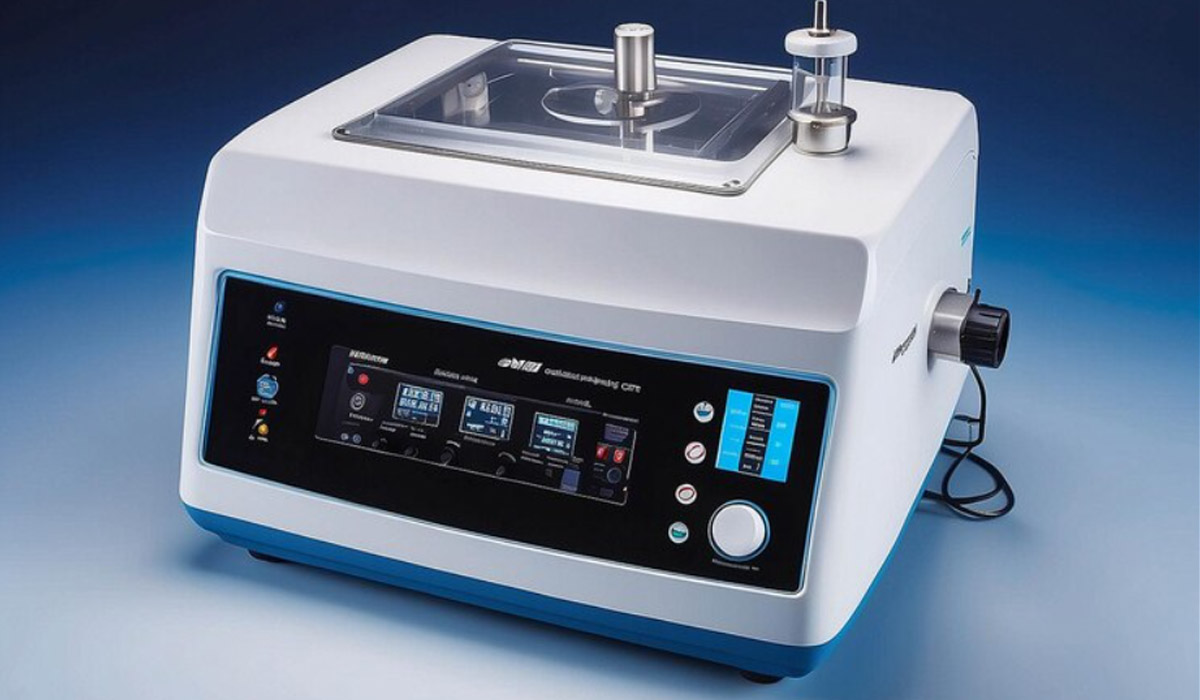
Radiofrequency Ablation: The Magic Machine for Pain Relief at NEXUS Advanced Pain Management

When chronic pain takes control of your life, finding effective relief becomes a top priority. At NEXUS Advanced Pain Management in Ahmedabad, we are dedicated to offering advanced, minimally invasive treatments that can help you reclaim your quality of life. One such treatment, often described as a “magic machine” for pain relief, is radiofrequency ablation (RFA).

What is Radiofrequency Ablation?

Radiofrequency ablation is a cutting-edge, non-surgical procedure that uses heat to disrupt pain signals. The process involves using radiofrequency energy to target and disable specific nerves responsible for transmitting pain signals to the brain. By interrupting these signals, RFA can provide significant, long-lasting pain relief for patients suffering from various chronic pain conditions.

How Does Radiofrequency Ablation Work?

The procedure is straightforward yet highly effective. Here’s a step-by-step overview:

  1. Precise Targeting: Using imaging guidance, our specialists at NEXUS identify the exact nerves contributing to your pain.
  2. Nerve Ablation: A thin needle is inserted near the target nerve, and radiofrequency energy is delivered through the needle. This energy generates heat, which creates a small lesion on the nerve, effectively blocking its ability to send pain signals.
  3. Immediate Relief: Patients often experience immediate pain relief following the procedure, with full benefits typically appearing within a few weeks.

Conditions Treated by Radiofrequency Ablation

RFA is versatile and can be used to treat a variety of chronic pain conditions, including:

  • Chronic Back Pain: Often caused by arthritis or spinal degeneration.
  • Neck Pain: Resulting from conditions like cervical facet joint syndrome.
  • Arthritis Pain: In large joints like the knee or hip.
  • Sacroiliac Joint Pain: Pain originating from the joints that connect the spine to the pelvis.
  • Headaches: Particularly those linked to nerve issues in the neck.

At NEXUS Advanced Pain Management, we tailor the use of RFA to meet the specific needs of each patient, ensuring the most effective pain relief possible.

Why is Radiofrequency Ablation Referred to as a “Magic Machine”?

Radiofrequency ablation has earned its reputation as a “magic machine” for several reasons:

  • Minimally Invasive: The procedure requires no large incisions, meaning less risk and quicker recovery times compared to traditional surgery.
  • Long-Lasting Relief: Patients can enjoy pain relief for several months to years, significantly reducing their dependence on pain medications.
  • Targeted Treatment: RFA precisely targets the nerves causing pain, ensuring that relief is both effective and focused.
  • Quick Recovery: Most patients return to their normal activities within a day or two, with minimal downtime.

The NEXUS Advantage: Why Choose Us for Radiofrequency Ablation?

At NEXUS Advanced Pain Management, we pride ourselves on being leaders in pain management in Ahmedabad. Our team, led by Dr. Dhaval Patel and Dr. Parth Shah, brings extensive experience and expertise to every procedure, including radiofrequency ablation. We use state-of-the-art technology and follow the latest medical guidelines to ensure the highest standards of care.

Is Radiofrequency Ablation Right for You?

If you’re living with chronic pain and traditional treatments haven’t provided the relief you need, radiofrequency ablation might be the solution. At NEXUS, we conduct thorough evaluations to determine whether RFA is the best option for your specific condition.

Take the Next Step Toward Pain-Free Living

Don’t let chronic pain control your life. Experience the “magic” of radiofrequency ablation at NEXUS Advanced Pain Management. Contact us today to schedule a consultation and learn more about how this innovative treatment can help you live pain-free.