Categories Chronic Pain

Chronic Back Pain: Causes, Symptoms, and How NEXUS Advanced Pain Management Can Help

Chronic back pain is a persistent and often debilitating condition that affects millions of people worldwide. Unlike acute back pain, which typically lasts a few days or weeks, chronic back pain persists for three months or longer, significantly impacting quality of life. Whether caused by injury, poor posture, degenerative conditions, or other underlying issues, chronic back pain requires specialized care for effective management.

In this blog, we’ll explore the causes, symptoms, and treatment options for chronic back pain, with a focus on how NEXUS Advanced Pain Management provides cutting-edge solutions to help patients regain mobility and live pain-free.

Understanding Chronic Back Pain

Chronic back pain is defined as persistent discomfort in the upper, middle, or lower back that lasts for more than 12 weeks. It can range from a dull, constant ache to sharp, shooting pain, and may worsen with movement or prolonged sitting. Unlike temporary back pain, chronic pain often requires a multidisciplinary approach for long-term relief.

Common Causes of Chronic Back Pain

Several factors contribute to chronic back pain, including:

  1. Herniated or Bulging Discs

Spinal discs act as cushions between vertebrae. When a disc herniates or bulges, it can press on nerves, causing chronic pain.

  1. Degenerative Disc Disease

With age, spinal discs lose hydration and elasticity, leading to pain, stiffness, and reduced flexibility.

  1. Spinal Stenosis

Narrowing of the spinal canal puts pressure on nerves, resulting in pain, numbness, or weakness in the legs.

  1. Arthritis

Osteoarthritis and rheumatoid arthritis can affect the spine, causing inflammation and chronic discomfort.

  1. Poor Posture and Muscle Strain

Prolonged sitting, heavy lifting, or improper body mechanics can strain muscles and ligaments, leading to persistent pain.

  1. Sciatica

Compression or irritation of the sciatic nerve causes sharp pain radiating from the lower back down the leg.

  1. Injuries and Trauma

Accidents, fractures, or sports injuries can lead to long-term back pain if not treated properly.

Symptoms of Chronic Back Pain

Chronic back pain symptoms vary depending on the underlying cause but may include:

  • Persistent aching or stiffness in the back
  • Sharp, localized pain in the neck, upper back, or lower back
  • Pain that radiates to the hips, legs, or feet
  • Muscle spasms or tightness
  • Reduced range of motion and difficulty standing or sitting for long periods
  • Numbness, tingling, or weakness in the limbs

Diagnosis and Treatment Options

Proper diagnosis is crucial for effective pain management. A healthcare provider may use:

  • Physical Examination – Assessing posture, flexibility, and pain triggers.
  • Imaging Tests – X-rays, MRIs, or CT scans to identify structural issues.
  • Nerve Studies – Electromyography (EMG) to check nerve function.

Treatment Approaches for Chronic Back Pain

  1. Medications
  • Pain relievers (NSAIDs, acetaminophen)
  • Muscle relaxants
  • Nerve pain medications (gabapentin, pregabalin)
  • Steroid injections for inflammation
  1. Physical Therapy

Targeted exercises strengthen back muscles, improve posture, and enhance flexibility.

  1. Minimally Invasive Procedures
  • Epidural Steroid Injections – Reduce inflammation around spinal nerves.
  • Radiofrequency Ablation (RFA) – Disrupts nerve signals causing pain.
  • Spinal Cord Stimulation – Uses electrical pulses to block pain signals.
  1. Lifestyle Modifications
  • Weight management
  • Ergonomic adjustments at work/home
  • Low-impact exercises (yoga, swimming)
  1. Surgical Options (If Necessary)
  • Discectomy, laminectomy, or spinal fusion for severe cases.

How NEXUS Advanced Pain Management Can Help

Managing chronic back pain requires a personalized approach. NEXUS Advanced Pain Management specializes in innovative, non-surgical treatments designed to reduce pain and improve function. Their expert team utilizes the latest techniques, including:

  • Precision Diagnostic Tools – Identifying the exact source of pain.
  • Customized Pain Relief Plans – Tailored treatments for each patient.
  • Advanced Interventional Therapies – Minimally invasive procedures for long-lasting relief.
  • Multidisciplinary Care – Combining physical therapy, medication, and lifestyle guidance.

Looking for Effective Chronic Back Pain Treatment?

If you’re struggling with persistent back pain and seeking expert care, NEXUS Advanced Pain Management offers cutting-edge solutions to help you regain comfort and mobility. Their patient-centered approach ensures that you receive the most effective, least invasive treatments tailored to your needs. Don’t let chronic pain control your life—consult NEXUS Advanced Pain Management today and take the first step toward lasting relief

Final Thoughts

Chronic back pain doesn’t have to be a life sentence. With the right diagnosis, treatment plan, and expert care, many patients experience significant improvement. NEXUS Advanced Pain Management stands out as a leader in innovative pain relief, helping patients achieve a better quality of life without relying solely on surgery or long-term medication. If you or a loved one suffers from chronic back pain, explore your options and discover how advanced pain management can make a difference.

Categories Slip Disc/Sciatica Pain

Sciatica Pain Treatment in Ahmedabad: NEXUS’s Expert Approach

Sciatica pain is a debilitating condition that affects millions of people worldwide, causing sharp, shooting pain that radiates from the lower back down to the legs. This condition occurs due to compression or irritation of the sciatic nerve, often caused by a herniated disc, spinal stenosis, or muscle imbalances. For those suffering from sciatica in Ahmedabad, finding effective and long-lasting relief is crucial.

NEXUS Advanced Pain Management has emerged as a leading center for sciatica treatment in Ahmedabad, offering a multidisciplinary approach to pain relief. Their team of experienced pain specialists, physiotherapists, and spine experts use advanced diagnostic techniques and evidence-based treatments to address the root cause of sciatica rather than just masking the symptoms.

In this blog, we will explore the causes and symptoms of sciatica, the different treatment options available, and how NEXUS Advanced Pain Management provides specialized care to help patients regain mobility and live pain-free lives.

Understanding Sciatica: Causes and Symptoms

Sciatica is not a medical condition itself but rather a symptom of an underlying issue affecting the sciatic nerve. The most common causes include:

  • Herniated or Slipped Disc – When a spinal disc bulges or ruptures, it can press on the sciatic nerve.
  • Spinal Stenosis – Narrowing of the spinal canal, often due to aging, leading to nerve compression.
  • Piriformis Syndrome – Tightening or spasms of the piriformis muscle in the buttocks, irritating the sciatic nerve.
  • Spondylolisthesis – A condition where one vertebra slips over another, causing nerve pressure.
  • Trauma or Injury – Accidents or falls can damage the spine and trigger sciatica.

Common Symptoms of Sciatica

  • Sharp, burning, or electric shock-like pain from the lower back to the legs
  • Numbness or tingling in the leg or foot
  • Weakness in the affected leg
  • Worsening pain when sitting, coughing, or sneezing

Treatment Options for Sciatica Pain

The right treatment for sciatica depends on the severity and underlying cause. NEXUS Advanced Pain Management offers a combination of non-surgical and minimally invasive treatments to provide relief.

  1. Non-Surgical Treatments

  • Physical Therapy – Targeted exercises and stretches to relieve nerve pressure and improve mobility.
  • Medications – Anti-inflammatory drugs, muscle relaxants, and pain relievers to manage discomfort.
  • Epidural Steroid Injections – Cortisone injections to reduce inflammation around the nerve.
  • Heat and Cold Therapy – Alternating ice packs and heating pads to ease muscle spasms.
  1. Advanced Minimally Invasive Procedures

  • Radiofrequency Ablation (RFA) – Uses heat to disrupt nerve signals causing pain.
  • Spinal Decompression Therapy – Gently stretches the spine to relieve disc pressure.
  • Endoscopic Discectomy – A small incision procedure to remove herniated disc material pressing on the nerve.
  1. Lifestyle and Preventive Measures

  • Maintaining proper posture
  • Regular low-impact exercises like swimming and yoga
  • Ergonomic adjustments at work and home
  • Weight management to reduce spinal stress

Why Choose NEXUS Advanced Pain Management for Sciatica Treatment?

NEXUS stands out as a premier pain management clinic in Ahmedabad due to its patient-centric approach and cutting-edge treatments. Here’s what makes them exceptional:

  • Expert Team – Board-certified pain specialists, neurologists, and physiotherapists with extensive experience.
  • Personalized Treatment Plans – Customized therapies based on individual diagnosis and needs.
  • Advanced Technology – Use of fluoroscopy, ultrasound-guided injections, and minimally invasive techniques.
  • Holistic Care – Combines medical treatment, physiotherapy, and lifestyle guidance for long-term relief.
  • Non-Surgical Focus – Emphasis on avoiding unnecessary surgeries through effective pain management techniques.

Looking for Effective Sciatica Pain Treatment in Ahmedabad?

If you’re struggling with persistent sciatica pain and seeking expert care, NEXUS Advanced Pain Management is a trusted choice in Ahmedabad. Their comprehensive approach ensures accurate diagnosis, effective pain relief, and long-term recovery without invasive surgeries. With a commitment to patient well-being and advanced medical solutions, NEXUS helps individuals regain their quality of life.

Don’t let sciatica pain limit your daily activities—consult the specialists at NEXUS Advanced Pain Management and take the first step toward a pain-free future. Book an appointment today to explore the best treatment options tailored to your condition.

Final Thoughts

Sciatica pain can significantly impact one’s daily life, but with the right treatment, relief is possible. Understanding the causes and exploring both conventional and advanced therapies can help manage symptoms effectively. NEXUS Advanced Pain Management provides a blend of expertise, technology, and compassionate care, making it a leading destination for sciatica treatment in Ahmedabad.

If you or a loved one is suffering from sciatica, seeking professional help early can prevent complications and ensure faster recovery. Trust the experts at NEXUS to guide you toward lasting pain relief and improved mobility.

Categories PRP Therapy

Is PRP Therapy Right for You? Understanding Its Benefits and Risks

Platelet-rich plasma (PRP) therapy has gained popularity in recent years, largely due to its promising results in promoting healing and reducing pain in various medical conditions. But what exactly is PRP therapy, and is it the right choice for you? In this blog, we’ll explore the fundamentals of PRP therapy, its benefits, potential risks, and how to determine if this treatment aligns with your needs.

What is PRP Therapy?

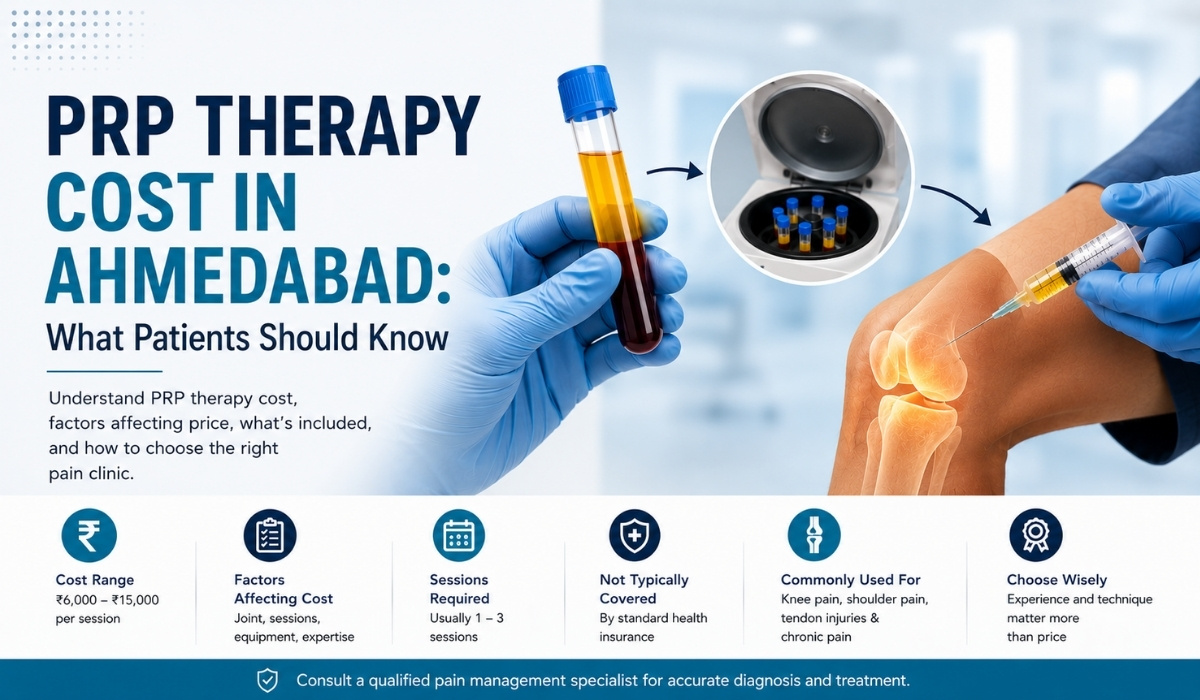
PRP therapy is a minimally invasive treatment that utilizes the patient’s own blood to stimulate the healing process. The therapy starts with drawing a small amount of the patient’s blood, which is then processed to concentrate the platelets and growth factors present in the blood. These concentrated platelets are rich in proteins, called growth factors, which play a crucial role in tissue repair and regeneration. Once the PRP is ready, it is injected directly into the affected area, such as joints, muscles, tendons, or ligaments.

How Does PRP Therapy Work?

The growth factors in the PRP promote healing by stimulating the regeneration of cells and tissues. This process not only accelerates recovery but also enhances the natural repair mechanisms of the body. The goal of PRP therapy is to reduce inflammation, relieve pain, and improve the overall function of the affected area without the need for invasive surgery.

Benefits of PRP Therapy

  1. Minimally Invasive: PRP therapy is a non-surgical procedure, making it a low-risk option compared to traditional surgery.
  2. Natural Healing: Since PRP therapy uses the patient’s own blood, it lowers the risk of allergic reactions or adverse side effects.
  3. Reduced Pain: Many patients report significant relief from chronic pain conditions such as joint pain, tendinitis, or soft tissue injuries after PRP treatment.
  4. Enhanced Healing: The concentration of growth factors accelerates tissue repair and reduces recovery time.
  5. Long-lasting Results: While the effects may vary depending on the condition, many patients experience long-term relief from symptoms.

Conditions Treated with PRP Therapy

PRP therapy has shown effectiveness in treating a variety of musculoskeletal and soft tissue injuries, including:

  • Tendinitis (in areas like the elbow, knee, shoulder)
  • Joint Pain (especially in knees, hips, and shoulders)
  • Soft Tissue Injuries (muscles, ligaments, and tendons)
  • Osteoarthritis (especially in early to moderate stages)

Potential Risks and Side Effects

While PRP therapy is generally safe, it does come with certain risks that you should consider:

  1. Mild Pain or Discomfort: Some patients may experience mild pain or swelling at the injection site, which usually subsides within a few days.
  2. Infection: There’s always a small risk of infection, though it’s minimal due to the sterile procedure used.
  3. Temporary Results: PRP therapy doesn’t work instantaneously. Most patients require multiple sessions, and results may take weeks to become apparent.
  4. Not Suitable for Everyone: People with certain blood disorders, cancer, or skin conditions might not be ideal candidates for PRP therapy. It’s crucial to consult with a healthcare professional to determine eligibility.

How to Determine if PRP Therapy is Right for You

Deciding whether PRP therapy is the right treatment depends on various factors, such as:

  • Your Medical Condition: PRP is ideal for soft tissue injuries, chronic pain, and early-stage arthritis. It may not be suitable for advanced joint degeneration or severe conditions.
  • Your Expectations: While PRP can significantly reduce pain and aid in healing, it may not completely cure every condition. Understanding realistic expectations is essential.
  • Consultation: The best way to determine if PRP therapy is right for you is to consult with a specialist at a reputable clinic, such as NEXUS Advanced Pain Management. Their team of experienced medical professionals will evaluate your condition and suggest the most appropriate treatment plan based on your unique needs.

Conclusion

PRP therapy is a promising, minimally invasive treatment option that leverages the body’s natural healing mechanisms to relieve pain and repair tissues. With its numerous benefits, it has become a go-to choice for many individuals seeking alternatives to surgery and long-term medication use.

If you’re considering PRP therapy, the expertise at NEXUS Advanced Pain Management can guide you through every step of the process. With a commitment to personalized care and advanced techniques, NEXUS ensures that you receive the most suitable treatment tailored to your condition. Don’t let pain hold you back—explore the potential of PRP therapy and regain your quality of life with expert guidance from NEXUS Advanced Pain Management.

Ready to take the first step? Contact NEXUS Advanced Pain Management today for a comprehensive consultation.

Categories Chronic Pain, Botox Therapy

Botox Therapy for Chronic Pain: How It Works and What to Expect

Chronic pain affects millions of people globally, leading to a significant decline in quality of life. From musculoskeletal discomfort to nerve pain, managing chronic pain often becomes a lifelong challenge. Fortunately, advancements in medical treatments have provided patients with a wide range of options to alleviate their pain, and one such promising treatment is Botox therapy. Originally known for smoothing wrinkles, Botox has proven to be effective in treating chronic pain conditions, offering relief for those who have struggled with long-term discomfort.

What is Botox Therapy?

Botox, short for Botulinum toxin, is a protein that temporarily blocks nerve signals. While it is most commonly associated with cosmetic uses, like reducing fine lines and wrinkles, Botox has a variety of therapeutic applications in the medical field. When injected into muscles, it relaxes the muscles by preventing the release of acetylcholine, a neurotransmitter that tells muscles to contract.

In recent years, Botox has emerged as a viable option for chronic pain management due to its ability to block pain signals at the nerve endings. Botox therapy for chronic pain involves injecting small, precise doses of the toxin directly into the affected muscles or nerves, targeting specific areas responsible for causing pain. This innovative treatment is gaining popularity due to its non-invasive nature, minimal downtime, and effectiveness in reducing persistent pain.

How Botox Therapy Works for Chronic Pain

Botox therapy works by targeting specific areas where pain originates, such as muscles, joints, or nerves. The procedure typically begins with a thorough evaluation by a pain management specialist who identifies the source of pain. Once this is determined, Botox is carefully injected into the precise muscles or nerves responsible for the discomfort.

1. Blocking Pain Signals:

Botox temporarily inhibits the release of acetylcholine at the nerve endings. This helps reduce the transmission of pain signals from the affected areas to the brain, offering relief to individuals suffering from chronic pain.

2. Relaxing Muscles:

In many chronic pain conditions, muscles can become overactive or tightened, contributing to persistent discomfort. Botox injections effectively relax these muscles, reducing tension and helping to alleviate pain.

3. Reducing Inflammation:

Botox has been shown to have anti-inflammatory properties, which can help reduce inflammation in the affected area. By calming inflammation, it contributes to pain relief and improves overall function.

Conditions Treated with Botox Therapy

Botox therapy is now used to manage a variety of chronic pain conditions, offering relief for patients who have not found success with other treatments. Some of the most common conditions treated include:

  • Migraine Headaches: Botox has been FDA-approved for the prevention of chronic migraines. It helps by reducing the frequency and severity of migraine episodes.
  • Myofascial Pain Syndrome: This condition involves muscle pain due to trigger points, which Botox can relieve by relaxing the muscles and disrupting pain signals.
  • Cervical Dystonia: Botox can be used to reduce neck muscle spasms and alleviate associated pain.
  • Chronic Back Pain: In cases of chronic back pain caused by muscle tension, Botox can provide relief by relaxing the muscles and easing discomfort.
  • Joint Pain: Botox therapy can be used to relieve joint pain by relaxing the muscles surrounding the joints, improving mobility and reducing stiffness.

What to Expect from Botox Therapy

If you’re considering Botox therapy for chronic pain, it’s important to understand the process, potential outcomes, and what you can expect throughout the treatment journey.

1. Initial Consultation:

Before beginning Botox therapy, you will have a consultation with a pain management specialist. They will assess your condition, review your medical history, and determine whether Botox is the right option for you. This is also the time to discuss your goals, expectations, and any questions you may have about the procedure.

2. The Injection Procedure:

Botox injections are relatively quick and minimally invasive. Your doctor will use a very fine needle to inject the Botox directly into the targeted muscles or nerves. The process is usually well-tolerated, with most patients experiencing only mild discomfort, akin to a pinprick.

3. Duration of Results:

The effects of Botox therapy can last for several months. While the exact duration varies based on the individual and the condition being treated, many patients report noticeable relief within days of the treatment. In many cases, follow-up sessions may be required to maintain pain relief.

4. Minimal Recovery Time:

One of the significant advantages of Botox therapy is the minimal recovery time. Most patients can resume their normal activities immediately after the procedure. You may experience mild bruising or tenderness at the injection site, but these side effects typically resolve quickly.

5. Individual Response:

Pain relief from Botox therapy can vary from person to person. Some patients may experience significant and prolonged relief, while others may benefit from multiple sessions to maintain results. It’s essential to have open communication with your healthcare provider to track your progress and adjust treatments as needed.

Expectations and Results

While Botox therapy has shown promising results in managing chronic pain, it’s important to have realistic expectations. The treatment works best when combined with other pain management strategies, such as physical therapy, medication, and lifestyle changes. It’s not a cure but rather a means to help alleviate symptoms, allowing you to improve your quality of life.

Many patients experience reduced pain and an enhanced ability to perform daily activities after undergoing Botox therapy. Regular follow-ups with your healthcare provider will help monitor your progress and determine the best treatment plan tailored to your specific needs.

Conclusion

Botox therapy has emerged as a valuable option in the field of chronic pain management, offering relief for various conditions that impact the quality of life. With its ability to block pain signals, relax muscles, and reduce inflammation, it has become a go-to treatment for those seeking non-invasive solutions to manage their pain effectively.

For individuals in Ahmedabad seeking expert care and personalized treatment, NEXUS Advanced Pain Management stands out as a trusted name in providing advanced pain relief solutions. With a team of skilled specialists, state-of-the-art technology, and a compassionate approach, NEXUS Advanced Pain Management is committed to helping patients regain control over their lives and find lasting relief from chronic pain.

If you’re considering Botox therapy or other advanced pain management treatments, scheduling a consultation at NEXUS Advanced Pain Management can be the first step towards effective pain relief and improved well-being.

Categories Injections for Pain Relief

Injections for Pain Relief: What You Need to Know Before Treatment

Pain relief can significantly improve your quality of life, but it’s important to understand the various options available. One effective method is the use of injections for pain relief, which can target specific areas of discomfort, reduce inflammation, and offer long-lasting relief. Whether you’re dealing with chronic pain, acute injuries, or ongoing discomfort, injections could be a valuable part of your treatment plan. However, it’s essential to have a clear understanding of what these injections involve, how they work, and what you should consider before opting for this approach.

What Are Injections for Pain Relief?

Injections for pain relief are medical procedures used to administer medication directly into or around the site of pain. These injections can deliver anti-inflammatory medications, corticosteroids, anesthetics, or other treatments designed to target specific conditions causing discomfort. The goal of these injections is to alleviate pain, reduce inflammation, and improve mobility without the need for invasive surgery.

There are several types of injections commonly used for pain relief:

  1. Corticosteroid Injections: These are often used to treat conditions that cause inflammation, such as arthritis, bursitis, and certain musculoskeletal disorders. Corticosteroids can help reduce swelling and relieve pain temporarily.
  2. Anesthetic Injections: These include local anesthetics that block nerve signals and can provide immediate pain relief. Nerve blocks, such as those used in chronic pain management, are common examples.
  3. Platelet-Rich Plasma (PRP) Injections: PRP therapy is gaining popularity for treating musculoskeletal injuries and conditions, such as tendonitis or arthritis. It involves using a sample of your own blood, which is processed to concentrate the healing components, and then injected into the affected area.
  4. Hyaluronic Acid Injections: These are used primarily for osteoarthritis and help improve lubrication in the joint, relieving stiffness and pain.

When Are Injections Recommended?

Injections for pain relief are often recommended when other treatment methods, such as medications, physical therapy, or lifestyle changes, haven’t been effective. Injections can be used for both acute and chronic pain conditions, and your healthcare provider may suggest injections in the following situations:

  • Chronic Joint Pain: For conditions like osteoarthritis or rheumatoid arthritis, injections can reduce inflammation and slow down the progression of joint damage.
  • Muscle and Tendon Injuries: Injections can help in cases of tendinitis, bursitis, or other soft tissue injuries by promoting healing and alleviating pain.
  • Back Pain: Injections can be used to relieve lower back pain caused by conditions like herniated discs, spinal stenosis, or sciatica.
  • Headaches: For migraines or tension headaches, specific injections can help manage symptoms.

What to Consider Before Receiving Injections?

Before opting for injections as a pain relief treatment, there are several important factors to consider:

  • Medical History: Discuss your full medical history with your healthcare provider. It’s important to inform them about any underlying health conditions, previous injuries, or chronic diseases that could impact the success of the injections.
  • Current Medications: Let your healthcare provider know about any medications you are currently taking, including over-the-counter drugs, supplements, and other prescription medications. This helps to avoid interactions that could interfere with the effectiveness of the injections.
  • Allergies: If you have any known allergies—particularly to anesthetics, corticosteroids, or other medications—be sure to share this information with your provider.
  • Potential Risks: Like all medical procedures, injections come with certain risks. These may include pain at the injection site, swelling, infection, or allergic reactions. Your healthcare provider will assess these risks based on your specific condition.
  • Expected Outcomes: Understand what to expect from the injection. Injections can provide temporary relief, but they are not a cure. They are often part of a broader pain management plan that may include other therapies.
  • Long-Term Management: Consider the long-term management of your condition. Injections may offer temporary relief, but long-term pain management may require a combination of treatments, lifestyle changes, and possibly more frequent injections.

What to Expect During the Procedure?

The process of receiving a pain relief injection typically involves the following steps:

  • Consultation: You’ll first have a consultation with your healthcare provider to discuss your pain, medical history, and the best course of action.
  • Preparation: Depending on the type of injection, you may be asked to stop certain medications or adjust your lifestyle in preparation for the procedure.
  • The Injection: During the injection procedure, a trained healthcare provider will carefully target the area causing pain. This may involve the use of imaging techniques such as X-rays, ultrasound, or fluoroscopy to ensure accuracy. The procedure is usually done in a clinic setting and can be performed with local anesthesia.
  • Recovery: After the injection, you may experience mild discomfort or swelling. Most people are able to resume their daily activities shortly after the procedure, but it’s important to follow your provider’s post-injection care instructions.

Long-Term Pain Management with Injections

While injections can offer relief in the short term, managing pain effectively often requires a combination of treatments. These may include physical therapy, lifestyle changes, medication adjustments, and other pain management strategies. In some cases, repeated injections may be necessary, but it’s important to work closely with your healthcare provider to develop a personalized treatment plan that balances relief with long-term care.

Nexus Advanced Pain Management: A Trusted Partner in Pain Relief

If you’re seeking expert guidance for pain relief, Nexus Advanced Pain Management offers comprehensive care that focuses on both immediate pain relief and long-term healing. With state-of-the-art facilities and a team of experienced pain specialists, Nexus Advanced Pain Management tailors treatment plans to each individual’s unique needs. Whether through injections, physical therapy, or other advanced pain management techniques, they are dedicated to helping patients regain their comfort and mobility.

At Nexus Advanced Pain Management, patients benefit from personalized care, cutting-edge technology, and a compassionate approach to pain relief. Their goal is not only to alleviate pain but also to empower patients with the knowledge and tools they need to live fuller, healthier lives.

Conclusion

Injections for pain relief can be an effective tool for managing both acute and chronic pain, offering targeted relief without the need for surgery. However, it’s crucial to have a thorough understanding of the options, consider the potential risks, and work closely with a healthcare provider to determine the most appropriate treatment plan for your specific needs. If you’re looking for expert pain management in your area, Nexus Advanced Pain Management stands out as a trusted partner, providing personalized and comprehensive care to help you find relief and restore your quality of life.