Categories Slip Disc/Sciatica Pain

Slip Disc and Sciatica: Top Treatments to Alleviate Spinal Nerve Pain

Slip disc and sciatica are two common conditions that cause discomfort and pain, particularly in the lower back and legs. These conditions can significantly impact daily life, making it challenging to perform routine activities. However, with advancements in medical science and specialized pain management techniques, relief is possible. In this blog, we will explore what slip disc and sciatica are, their symptoms, causes, and effective treatments to alleviate spinal nerve pain. Additionally, we’ll discuss how NEXUS Advanced Pain Management can provide comprehensive care and support for individuals dealing with these conditions.

Understanding Slip Disc and Sciatica

Slip Disc (Herniated Disc)

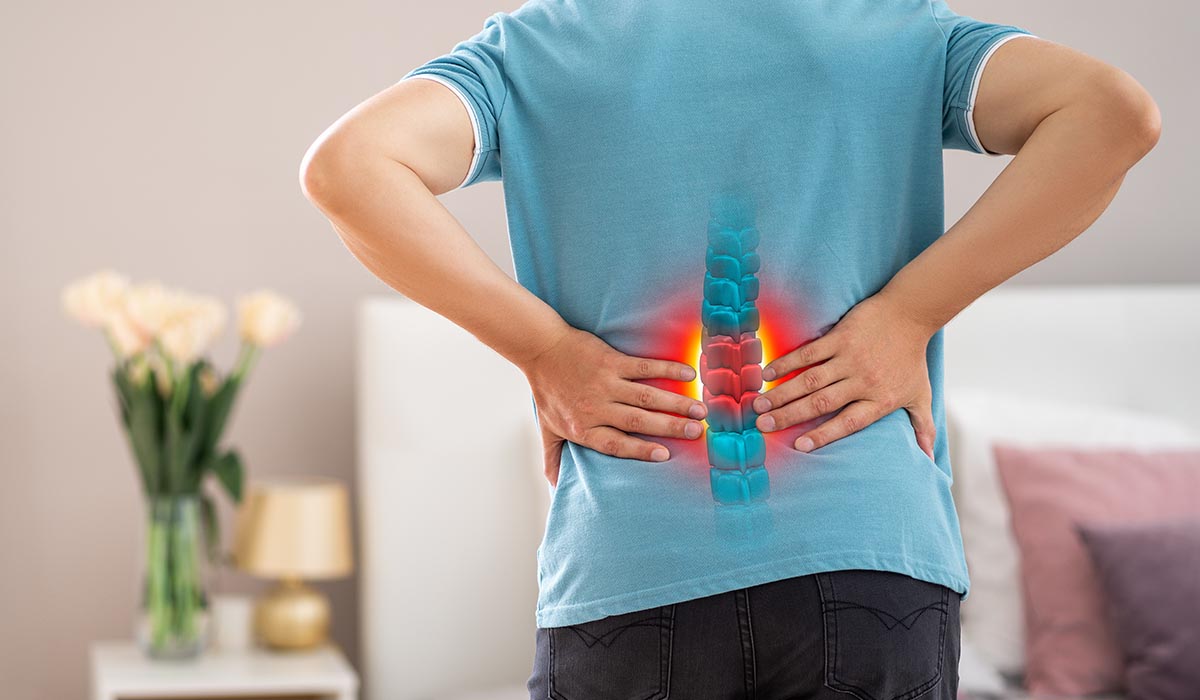
A slip disc occurs when the soft, gel-like center of a spinal disc bulges out through a tear in the outer layer. This can lead to nerve compression, causing pain, numbness, and discomfort. The condition is most common in the lower back, although it can also occur in the cervical (neck) and thoracic regions.

Sciatica

Sciatica refers to pain that radiates along the path of the sciatic nerve, which runs from the lower back down through the hips and buttocks and down each leg. It is often caused by a herniated disc, bone spurs on the spine, or narrowing of the spinal canal (spinal stenosis). Sciatica affects one side of the body and may result in sharp, shooting pain that worsens with movement.

Symptoms of Slip Disc and Sciatica

The symptoms of slip disc and sciatica can vary depending on the severity and location of the affected nerve roots.

Slip Disc Symptoms:

  • Persistent or intermittent back pain
  • Numbness or tingling in the affected area
  • Muscle weakness in the legs or arms
  • Difficulty in moving or bending
  • Pain worsens with specific movements or prolonged sitting/standing

Sciatica Symptoms:

  • Sharp, burning pain along the path of the sciatic nerve
  • Pain may extend from the lower back down to the foot
  • Tingling, numbness, or weakness in the legs
  • Discomfort worsens when bending, coughing, or sneezing

Causes of Slip Disc and Sciatica

Causes of Slip Disc:

  • Aging and wear and tear on the spine
  • Trauma or injury to the spine
  • Sedentary lifestyle or poor posture
  • Obesity, which places additional pressure on the spine
  • Repetitive stress from heavy lifting or twisting movements

Causes of Sciatica:

  • Herniated or slipped disc
  • Bone spurs pressing against the sciatic nerve
  • Spinal stenosis (narrowing of the spinal canal)
  • Spinal injuries or trauma
  • Muscle inflammation or piriformis syndrome

Effective Treatments for Slip Disc and Sciatica

  1. Physical Therapy

Physical therapy plays a crucial role in managing slip disc and sciatica. A trained physiotherapist can guide patients through exercises aimed at strengthening the core muscles, improving flexibility, and reducing pressure on the affected nerves. Techniques such as stretching, low-impact aerobic exercises, and manual therapy can significantly alleviate pain and prevent recurrence.

  1. Medications

Medications such as non-steroidal anti-inflammatory drugs (NSAIDs), muscle relaxants, and pain relievers are often prescribed to manage inflammation and relieve pain. For more severe cases, corticosteroid injections may be recommended to reduce nerve inflammation and provide relief from sciatica.

  1. Epidural Steroid Injections (ESIs)

Epidural steroid injections are an effective method for treating inflammation around the affected spinal nerve. These injections deliver medication directly to the epidural space, where the sciatic nerve is located. By reducing swelling and irritation, ESIs help alleviate pain and improve mobility.

  1. Lifestyle Modifications

Adopting healthy lifestyle habits can greatly reduce the risk of slip disc and sciatica. Maintaining a balanced diet, avoiding heavy lifting, managing weight, and maintaining proper posture are essential steps in prevention and management. Regular physical activity tailored to the individual’s condition can also improve spinal health.

  1. Advanced Pain Management Techniques

Advanced pain management techniques such as radiofrequency ablation, spinal decompression therapy, and nerve blocks offer promising relief for chronic spinal nerve pain. These methods target the root cause of discomfort, providing long-lasting relief for individuals struggling with slip disc or sciatica.

Why Choose NEXUS Advanced Pain Management?

At NEXUS Advanced Pain Management, we specialize in providing personalized treatment plans for individuals dealing with slip disc and sciatica. Our multidisciplinary approach integrates state-of-the-art technology and experienced specialists to deliver effective, compassionate care. From physical therapy and medication management to advanced interventional techniques, we strive to alleviate pain and restore functionality. With a patient-centered approach, we ensure that every individual receives comprehensive support tailored to their unique needs. If you’re looking for relief from spinal nerve pain, NEXUS Advanced Pain Management is here to help you on your journey to recovery.

Categories Cancer Pain

Cancer Pain and Palliative Care: Enhancing Quality of Life with Expert Care

Cancer is a challenging disease that affects millions of individuals worldwide, and while advancements in treatments have increased survival rates, many patients experience significant pain and discomfort. Cancer pain management is an essential component of care, focusing on alleviating pain and improving the overall quality of life for patients. Alongside cancer treatment, palliative care plays a vital role in managing symptoms, providing emotional support, and ensuring a holistic approach to patient well-being. This blog explores the importance of cancer pain management and palliative care, highlighting how expert care can make a difference in the lives of patients.

Understanding Cancer Pain

Cancer pain can arise from various factors, including the tumor pressing on nerves or bones, side effects of treatments such as chemotherapy or radiation, or complications from advanced disease stages. Pain can be acute or chronic and may affect physical, emotional, and psychological well-being. Managing cancer pain is complex and requires a multidisciplinary approach to address not only physical symptoms but also the emotional and social aspects of the disease.

The Role of Palliative Care

Palliative care is specialized medical care focused on providing relief from symptoms, pain, and emotional distress associated with serious illnesses like cancer. It is suitable for patients at any stage of cancer, regardless of whether they are undergoing curative treatments. Palliative care aims to improve quality of life by managing symptoms such as pain, fatigue, nausea, breathlessness, and emotional challenges.

The integration of palliative care into cancer treatment helps patients live as actively as possible, with a focus on their comfort and well-being. This form of care works in tandem with curative treatments to ensure that patients receive comprehensive support.

Approaches to Cancer Pain Management

Effective pain management in cancer care involves a combination of approaches:

  1. Medication: Pain relief typically begins with the use of analgesics. Non-opioid medications like acetaminophen or NSAIDs are often used for mild pain, while opioids such as morphine and fentanyl are prescribed for more severe pain.
  2. Adjuvant Therapies: These include therapies like nerve blocks, physical therapy, acupuncture, and massage to complement pain relief efforts.
  3. Psychosocial Support: Pain management also involves addressing the emotional and psychological aspects of cancer. Support groups, counseling, and emotional support from family and caregivers are essential components of comprehensive care.
  4. Advanced Interventions: For patients with complex pain, advanced pain management techniques such as spinal cord stimulation or nerve ablation may be employed.

Importance of Expert Care in Palliative and Pain Management

Expert care in cancer pain management and palliative care ensures that patients receive personalized treatment tailored to their unique needs. Experienced healthcare professionals collaborate to create individualized care plans that focus on symptom relief, emotional support, and enhancing quality of life. Multidisciplinary teams, including oncologists, pain specialists, psychologists, and nurses, work together to provide seamless, compassionate care.

At Nexus Advanced Pain Management, patients benefit from a team of skilled specialists who are dedicated to offering cutting-edge pain management and palliative care services. Whether it’s managing acute pain or supporting patients with chronic symptoms, the compassionate approach ensures that every patient receives the highest standard of care for a better quality of life.

By combining medical expertise, advanced techniques, and holistic support, Nexus Advanced Pain Management is at the forefront of enhancing patient well-being in the face of cancer.

Categories Post Herpetic Neuralgia

Post-Herpetic Neuralgia: Comprehensive Pain Treatment for Lasting Relief

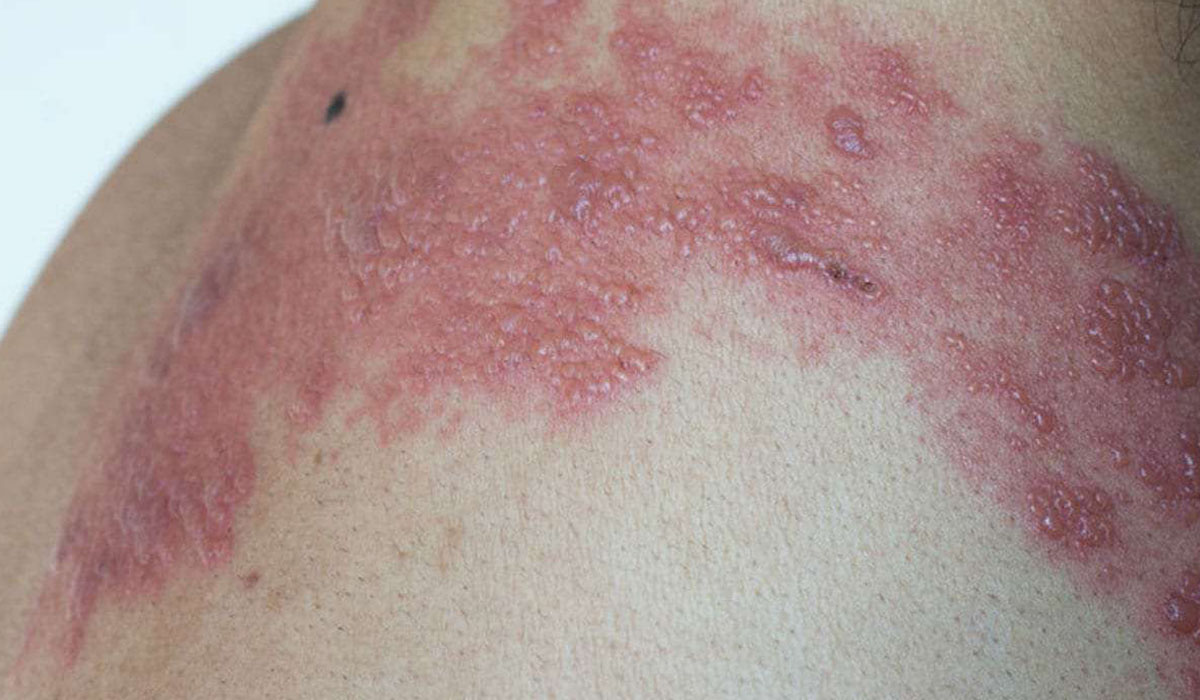
Post-Herpetic Neuralgia (PHN) is a chronic pain condition that affects individuals who have previously experienced shingles, a painful viral infection caused by the reactivation of the varicella-zoster virus. Shingles can lead to nerve damage, which in turn causes persistent pain even after the rash has healed. Managing this condition requires a multidisciplinary approach to relieve pain and improve the quality of life for those affected. In this blog, we will explore various treatments for Post-Herpetic Neuralgia, focusing on both conventional and advanced therapeutic options.

Understanding Post-Herpetic Neuralgia

Post-Herpetic Neuralgia occurs when the nerves affected by shingles are damaged, leading to chronic pain. This pain can vary in intensity, from a mild, constant ache to severe, burning sensations. The discomfort can persist for weeks, months, or even years after the shingles rash has disappeared. While PHN is not life-threatening, it can severely impact daily activities and overall well-being.

Causes and Symptoms of Post-Herpetic Neuralgia

Causes:

  • Shingles: PHN typically occurs after shingles due to nerve damage caused by the varicella-zoster virus.
  • Nerve Damage: The virus can damage the nerves, leading to ongoing pain and discomfort.

Symptoms:

  • Persistent burning, stabbing, or aching pain in the areas previously affected by shingles.
  • Sensitivity to touch, heat, or cold.
  • Tingling or numbness in the affected areas.
  • Sleep disturbances and emotional distress due to chronic discomfort.

Comprehensive Treatment Approaches for Post-Herpetic Neuralgia

Managing PHN requires a combination of therapies to target pain relief, improve nerve function, and support overall health. Here are the most effective treatment options:

  1. Medication Management
  2. Pain Relievers:
  • Over-the-counter medications like acetaminophen and nonsteroidal anti-inflammatory drugs (NSAIDs) can help reduce mild to moderate pain.
  • Prescription medications such as anticonvulsants (gabapentin, pregabalin) and antidepressants (amitriptyline, duloxetine) are often used to manage nerve pain effectively.
  1. Topical Treatments:
  • Capsaicin creams or patches can reduce nerve sensitivity and alleviate pain in localized areas.
  1. Physical Therapy and Rehabilitation

Physical therapy plays a crucial role in managing PHN by strengthening muscles, improving flexibility, and alleviating nerve pain. Techniques such as:

  • Electrical Stimulation Therapy (TENS)
  • Gentle stretching and mobility exercises
  • Massage therapy to improve circulation and nerve function
  1. Interventional Procedures

For more persistent and severe pain, interventional procedures offer targeted relief. These include:

  • Nerve Blocks: Temporary relief by injecting medications directly into the affected nerves.
  • Radiofrequency Ablation (RFA): A minimally invasive procedure that uses heat to deactivate nerve signals, providing long-term relief.
  • Spinal Cord Stimulation (SCS): A technique where electrodes are implanted to block pain signals from reaching the brain.
  1. Lifestyle Modifications

Managing stress, adopting healthy sleep habits, and maintaining a balanced diet can significantly improve pain management. Regular physical activity can also enhance nerve function and reduce discomfort.

  1. Advanced Pain Management at Nexus Advanced Pain Management

At Nexus Advanced Pain Management, we understand the complexity of chronic pain conditions like Post-Herpetic Neuralgia. Our experienced pain specialists offer a comprehensive approach to treatment, combining cutting-edge therapies with compassionate care. Whether it’s medication management, physical rehabilitation, or advanced interventional techniques, our goal is to provide lasting relief and improve the quality of life for patients suffering from PHN.

Conclusion

Post-Herpetic Neuralgia is a challenging condition that requires a tailored approach to pain management. From medication and physical therapy to advanced interventional techniques, a multidisciplinary strategy is essential for alleviating chronic pain and improving overall well-being. At Nexus Advanced Pain Management, we are dedicated to providing personalized care to those struggling with PHN, ensuring they receive the most effective treatments for lasting relief.

Categories Vascular Pain

Comprehensive Guide to Vascular Pain Treatment: Relieving Discomfort and Restoring Well-Being

Vascular pain, a condition often associated with blood vessel disorders, can cause significant discomfort and impair daily life. This type of pain typically results from reduced blood flow to tissues and can manifest in various forms, such as aching, burning, or cramping sensations. In this blog, we explore the causes, treatment options, and preventive measures for vascular pain to help you find effective relief.

Understanding Vascular Pain

Vascular pain stems from issues in the circulatory system and may be linked to conditions such as:

  • Peripheral Artery Disease (PAD): Narrowing of blood vessels reduces blood flow to limbs, leading to pain during physical activity.
  • Deep Vein Thrombosis (DVT): Blood clots in veins can cause swelling and sharp pain.
  • Raynaud’s Phenomenon: Limited blood supply to extremities causes pain and discoloration in response to cold or stress.
  • Varicose Veins: Swollen, twisted veins can lead to aching or heaviness in the legs.
  • Aneurysms: Abnormal bulges in blood vessels may cause localized pain when they press on nearby tissues.

Symptoms of Vascular Pain

Common signs of vascular pain include:

  • Cramping or aching in the affected area.
  • Sensations of burning or throbbing.
  • Swelling or discoloration of the skin.
  • Sensitivity to cold or touch.
  • Numbness or tingling in the extremities.

If you experience these symptoms, it is crucial to consult a specialist for accurate diagnosis and timely intervention.

Effective Treatments for Vascular Pain

  1. Medications:
    • Anticoagulants: Reduce the risk of blood clots.
    • Vasodilators: Improve blood flow by relaxing blood vessels.
    • Pain Relievers: Over-the-counter or prescription medications to manage discomfort.
  2. Lifestyle Modifications:
    • Maintain a healthy weight to reduce strain on blood vessels.
    • Engage in regular, low-impact exercises like walking or swimming.
    • Avoid smoking, as it constricts blood vessels and worsens symptoms.
  3. Compression Therapy:
    • Compression stockings improve circulation and reduce swelling in the legs.
  4. Interventional Procedures:
    • Angioplasty: A minimally invasive procedure to open narrowed arteries.
    • Sclerotherapy: Involves injecting a solution into varicose veins to collapse them.
    • Surgical Options: Reserved for severe cases, such as bypass surgery for PAD or aneurysm repair.
  5. Alternative Therapies:
    • Massage Therapy: Enhances circulation and alleviates discomfort.
    • Acupuncture: May help reduce pain and improve blood flow.

Preventing Vascular Pain

  • Adopt a balanced diet rich in fruits, vegetables, and whole grains.
  • Stay physically active to promote healthy circulation.
  • Manage chronic conditions like diabetes and hypertension.
  • Avoid prolonged periods of sitting or standing to prevent blood pooling.

Conclusion

Vascular pain requires a comprehensive approach to treatment and prevention. At Nexus Advanced Pain Management, we specialize in diagnosing and managing vascular pain with cutting-edge techniques and personalized care plans. Our dedicated team is here to help you regain your comfort and improve your quality of life. Don’t let vascular pain hold you back—reach out to Nexus Advanced Pain Management for expert guidance and compassionate care.

Categories Shoulder Pain

Comprehensive Insights on Shoulder Pain Treatment: Regain Mobility and Comfort

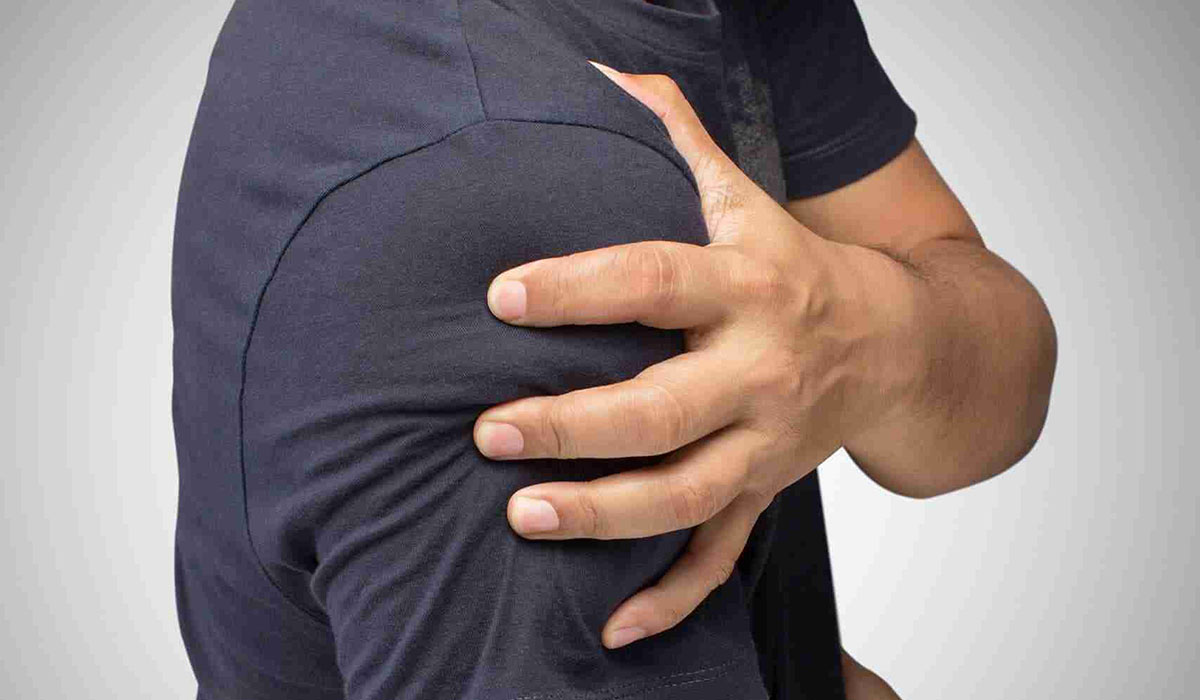
Shoulder pain can range from a minor inconvenience to a debilitating condition, significantly affecting your daily activities. This complex joint is essential for upper body mobility, and pain in this area can arise from various causes. In this blog, we delve into the common causes of shoulder pain, available treatment options, and strategies for long-term relief.

Causes of Shoulder Pain

Shoulder pain often originates from the following factors:

  • Rotator Cuff Injuries: Tears or inflammation in the rotator cuff can limit movement and cause significant discomfort.
  • Frozen Shoulder (Adhesive Capsulitis): Characterized by stiffness and restricted motion.
  • Shoulder Impingement: Occurs when tendons are pinched during shoulder movements.
  • Arthritis: Degenerative changes in the joint can lead to chronic pain and reduced mobility.
  • Fractures or Dislocations: Injuries can disrupt the normal structure and function of the shoulder.
  • Bursitis or Tendinitis: Inflammation of the bursa or tendons due to overuse or repetitive motion.

Identifying the underlying cause is essential for effective treatment and lasting relief. Consulting a specialist ensures a precise diagnosis and tailored treatment approach.

Effective Treatments for Shoulder Pain

  1. Physical Therapy:
    • Stretching and strengthening exercises help improve mobility and reduce stiffness.
    • Techniques focus on restoring range of motion and preventing future injuries.
  2. Medications:
    • Nonsteroidal anti-inflammatory drugs (NSAIDs) like ibuprofen can alleviate inflammation and pain.
    • Muscle relaxants or prescription medications may be necessary for severe cases.
  3. Interventional Treatments:
    • Corticosteroid Injections: Reduce inflammation and provide quick relief.
    • PRP Therapy (Platelet-Rich Plasma): Promotes healing by using the body’s own growth factors.
  4. Advanced Procedures:
    • Arthroscopy: Minimally invasive surgery to repair structural damage.
    • Joint Replacement Surgery: Considered for severe arthritis or irreparable joint damage.
  5. Lifestyle Adjustments:
    • Avoid repetitive overhead movements that strain the shoulder.
    • Maintain proper posture to reduce unnecessary pressure on the joint.
  6. Alternative Therapies:
    • Acupuncture: Stimulates specific points to reduce pain and improve function.
    • Chiropractic Adjustments: Correct misalignments and relieve stress on the shoulder.

Preventing Shoulder Pain

  • Warm up before engaging in physical activity.
  • Strengthen shoulder muscles through targeted exercises.
  • Avoid carrying heavy bags on one shoulder for extended periods.
  • Take breaks during repetitive tasks to prevent overuse injuries.

Conclusion

Shoulder pain doesn’t have to limit your life. At Nexus Advanced Pain Management, we provide expert diagnosis and personalized treatments to address the root causes of shoulder pain. With our comprehensive care, you can regain your mobility and enjoy a pain-free life. Trust Nexus Advanced Pain Management to guide you on your journey to recovery and long-term comfort.