Categories Pain Management, Vascular Pain

Vascular Pain Treatment in Ahmedabad: Understanding and Managing Vascular Pain

Vascular pain is a complex and often debilitating condition that arises from issues related to the blood vessels, such as poor circulation, vein disease, or artery blockages. It can manifest as aching, cramping, or burning sensations, usually in the legs, arms, or other parts of the body. For individuals suffering from vascular pain, the discomfort can significantly interfere with daily activities and quality of life. In Ahmedabad, Nexus Advanced Pain Management provides advanced vascular pain treatment options that focus on alleviating symptoms and addressing the underlying causes. In this blog, we will delve into the causes of vascular pain, the symptoms to look for, and the treatment strategies available to help you manage and overcome this condition.

What is Vascular Pain?

Vascular pain is typically caused by issues with the blood vessels that disrupt normal circulation. The two main types of vascular pain are:

  • Venous Pain: This type of pain arises from issues with the veins, such as varicose veins or deep vein thrombosis (DVT), where blood flow is obstructed or there is inflammation in the veins.
  • Arterial Pain: Arterial pain is caused by blockages or narrowing of the arteries, often due to atherosclerosis (plaque buildup) or other vascular diseases. This can lead to decreased blood flow to various organs and tissues, causing pain.

Vascular pain is most commonly experienced in the legs and feet, but it can also affect the arms, hands, and other parts of the body. The pain is often described as a dull ache, sharp cramping, or a burning sensation.

Common Causes of Vascular Pain

Several factors can lead to vascular pain, including:

  • Peripheral Arterial Disease (PAD): This condition occurs when the arteries become narrowed or blocked, typically due to plaque buildup. It reduces blood flow to the limbs, resulting in pain, numbness, and cramping, especially while walking or exercising.
  • Varicose Veins: Varicose veins are swollen, twisted veins that are visible just beneath the skin’s surface. They occur when the valves in the veins weaken or fail, leading to poor blood flow. This causes discomfort, swelling, and aching pain.
  • Deep Vein Thrombosis (DVT): DVT is a condition where blood clots form in the deep veins, usually in the legs. These clots can cause swelling, pain, and a heavy feeling in the affected limb.
  • Chronic Venous Insufficiency (CVI): CVI occurs when the veins cannot pump blood effectively back to the heart, leading to blood pooling in the veins. This condition often results in swelling, aching, and throbbing pain, especially in the legs.
  • Aneurysms: A vascular aneurysm occurs when a blood vessel weakens and forms a bulge. If an aneurysm ruptures, it can cause sudden, severe pain and other serious complications.

Several lifestyle factors, such as smoking, obesity, and a sedentary lifestyle, can increase the risk of developing vascular pain.

Symptoms of Vascular Pain

The symptoms of vascular pain can vary depending on the underlying cause and the area of the body affected. Common signs and symptoms include:

  • Leg Pain: A dull, aching pain in the legs, particularly after standing or walking for extended periods.
  • Cramping or Burning Sensations: In cases of poor circulation, individuals may experience cramps or a burning sensation in the legs or feet.
  • Swelling: Swollen legs or feet are common in conditions like varicose veins or chronic venous insufficiency.
  • Numbness and Weakness: In severe cases of vascular pain, the affected limb may feel numb or weak due to decreased blood flow.
  • Discoloration or Redness: The skin may appear discolored, red, or bluish, especially in areas where circulation is compromised.
  • Wounds or Ulcers: Poor blood flow can lead to slow-healing wounds or ulcers, particularly on the legs or feet.

If you experience any of these symptoms, it’s essential to consult with a specialist to determine the cause and receive appropriate treatment.

How is Vascular Pain Diagnosed?

To properly diagnose the cause of vascular pain, your doctor will perform a detailed physical examination and take a medical history. Diagnostic tests that may be used include:

  • Ultrasound: A non-invasive test that uses sound waves to create an image of the blood vessels. It helps detect blood clots, narrowing of veins, or other vascular issues.
  • Doppler Ultrasound: This test uses sound waves to assess blood flow and detect blockages in the arteries or veins.
  • CT Angiography: This imaging test uses a combination of X-rays and computer technology to provide detailed images of the blood vessels, helping identify blockages or narrowing.
  • MRI: Magnetic resonance imaging (MRI) can provide clear images of blood vessels and soft tissues, helping identify aneurysms or other vascular abnormalities.

At Nexus Advanced Pain Management, we use the latest diagnostic tools to accurately determine the cause of vascular pain and develop an effective treatment plan tailored to your needs.

Treatment Options for Vascular Pain

Treatment for vascular pain depends on the underlying cause and severity of the condition. Several approaches are available to alleviate symptoms and improve circulation:

  • Lifestyle Changes: Regular exercise, a healthy diet, and weight management can help improve circulation and reduce symptoms of vascular pain. Avoiding smoking and managing blood pressure and cholesterol levels are also essential.
  • Compression Therapy: Compression stockings are often recommended for individuals with varicose veins or chronic venous insufficiency. They help improve blood flow by applying gentle pressure to the affected areas.
  • Medications: Nonsteroidal anti-inflammatory drugs (NSAIDs) can help manage pain and reduce inflammation. In some cases, blood-thinning medications may be prescribed to prevent blood clots.
  • Sclerotherapy: This minimally invasive treatment involves injecting a solution into varicose veins to collapse and seal them off, improving blood flow and reducing pain.
  • Endovenous Laser Treatment (EVLT): This technique uses laser energy to treat varicose veins by sealing them shut, restoring normal circulation and reducing pain.
  • Surgical Procedures: In cases of severe vascular disease, surgical procedures such as bypass surgery or vein stripping may be necessary to restore proper blood flow.
  • Interventional Radiology: For arterial blockages, procedures like angioplasty and stenting may be performed to open up narrowed arteries and improve circulation.

Advanced Pain Management for Vascular Pain

For patients with chronic vascular pain, advanced pain management techniques may be employed to provide long-term relief:

  • Radiofrequency Ablation (RFA): RFA uses heat to disrupt the nerve signals causing pain in the affected area. This technique is particularly useful in treating pain associated with varicose veins and chronic venous insufficiency.
  • Botox Injections: Botox is sometimes used to reduce pain and discomfort associated with vascular conditions, especially in cases of muscle spasms or tightness caused by poor circulation.
  • Platelet-Rich Plasma (PRP) Therapy: PRP therapy involves injecting a concentrated solution of platelets from the patient’s own blood into the affected area. This helps promote tissue healing and reduce inflammation, improving circulation in the long term.
  • Ozone Therapy: Ozone therapy can help improve blood flow and reduce inflammation, promoting healing in damaged tissues.

At Nexus Advanced Pain Management, we offer these advanced treatments to help patients manage their vascular pain and improve their quality of life.

Why Choose Nexus Advanced Pain Management for Vascular Pain Treatment?

Nexus Advanced Pain Management in Ahmedabad is renowned for its expertise in treating vascular pain. Our team of highly trained specialists offers personalized care that targets the root cause of vascular pain. We provide a range of treatment options, from conservative therapies to advanced pain management techniques, ensuring that each patient receives the best possible care. With a focus on holistic healing, our goal is to reduce pain, improve circulation, and help you regain a pain-free lifestyle.

Conclusion

Vascular pain can be a chronic and debilitating condition, but with the right treatment, it is possible to manage symptoms and restore function. If you are suffering from vascular pain, it’s important to seek professional care to prevent complications and improve your quality of life. Nexus Advanced Pain Management in Ahmedabad offers expert vascular pain treatment tailored to your specific needs. Our multidisciplinary approach ensures that you receive comprehensive care to address both the symptoms and underlying causes of vascular pain.

Categories Frozen Shoulder, Pain Management

Frozen Shoulder Treatment in Ahmedabad: How to Manage and Overcome Shoulder Pain

Frozen shoulder, also known as adhesive capsulitis, is a painful condition that affects the shoulder joint, causing stiffness, limited range of motion, and severe discomfort. This condition can develop gradually, leading to a significant decrease in mobility and quality of life. While frozen shoulder may improve over time, early intervention from a specialist can significantly reduce recovery time and prevent further complications. Nexus Advanced Pain Management in Ahmedabad offers comprehensive treatment options for frozen shoulder, helping patients regain mobility and live pain-free. In this blog, we will discuss the causes, symptoms, and treatment options for frozen shoulder, as well as how pain specialists can assist in managing this condition effectively.

What is Frozen Shoulder?

Frozen shoulder is characterized by the thickening and tightening of the shoulder joint capsule, which restricts movement and causes pain. It typically develops in three stages:

  • Freezing Stage: During this phase, the shoulder becomes increasingly painful and stiff. The pain is often worse at night, and the range of motion starts to decrease.
  • Frozen Stage: The pain may start to subside, but stiffness remains. Moving the shoulder becomes more challenging, and patients experience limited mobility.
  • Thawing Stage: Gradually, the stiffness starts to improve, and mobility is restored. This phase can take months to years.

Frozen shoulder most commonly affects people between the ages of 40 and 60, with women being more prone to the condition. It can also develop after an injury, surgery, or prolonged immobility of the shoulder.

Common Causes and Risk Factors

While the exact cause of frozen shoulder is not always clear, several factors can increase the risk of developing the condition:

  • Previous Shoulder Injury or Surgery: An injury or surgery that leads to a lack of movement in the shoulder joint can trigger the development of frozen shoulder.
  • Diabetes: People with diabetes are at a higher risk of developing frozen shoulder, and they may experience more severe symptoms.
  • Age and Gender: As mentioned earlier, frozen shoulder is most common in individuals aged 40 to 60, and women are more likely to develop the condition.
  • Other Medical Conditions: People with certain conditions, such as thyroid disorders, heart disease, or Parkinson’s disease, are at increased risk.
  • Immobilization: Prolonged lack of shoulder movement due to an injury, surgery, or other factors can lead to frozen shoulder.

Understanding the potential causes of frozen shoulder can help prevent the condition or address it early with proper treatment.

Symptoms of Frozen Shoulder

Frozen shoulder typically presents with the following symptoms:

  • Pain: The pain is often dull or aching and tends to worsen with movement. It is most noticeable at night.
  • Stiffness: As the condition progresses, shoulder movement becomes more restricted, and performing daily activities like dressing or reaching overhead can become difficult.
  • Limited Range of Motion: The most significant symptom of frozen shoulder is the inability to move the shoulder freely. The range of motion is often significantly reduced, especially when trying to raise the arm or rotate the shoulder.
  • Night Pain: Many individuals with frozen shoulder experience worsening pain at night, which can interfere with sleep.

If you are experiencing any of these symptoms, it is essential to consult a pain specialist to determine the underlying cause and explore treatment options.

Diagnostic Process for Frozen Shoulder

To confirm the diagnosis of frozen shoulder, a pain specialist will first conduct a physical examination to assess the range of motion and pain levels in the shoulder. In some cases, the following diagnostic methods may be used:

  • X-rays: X-rays can help rule out other conditions such as arthritis or bone fractures that might cause shoulder pain.
  • MRI or Ultrasound: These imaging techniques provide detailed images of the soft tissues around the shoulder, including the tendons, muscles, and ligaments. They help to confirm the presence of inflammation or structural changes in the joint capsule.
  • Arthrogram: An arthrogram involves injecting a contrast dye into the shoulder joint and taking X-rays or MRI images to visualize the joint more clearly.

At Nexus Advanced Pain Management, a team of experienced specialists uses a combination of diagnostic tools to provide an accurate diagnosis of frozen shoulder, ensuring that the most effective treatment is prescribed.

Treatment Options for Frozen Shoulder

Treatment for frozen shoulder typically focuses on reducing pain, improving mobility, and restoring normal function. A variety of approaches are available, depending on the severity of the condition:

  • Physical Therapy: Physical therapy is a cornerstone of frozen shoulder treatment. It involves a series of stretches and exercises designed to improve flexibility and strengthen the muscles around the shoulder. Regular therapy sessions can gradually increase the range of motion and reduce stiffness.
  • Medications: Nonsteroidal anti-inflammatory drugs (NSAIDs), such as ibuprofen, can help manage pain and inflammation. In some cases, corticosteroid injections may be used to reduce inflammation and provide temporary pain relief.
  • Heat and Cold Therapy: Applying heat or cold to the affected shoulder can help alleviate pain and reduce swelling. Heat therapy is typically used to relax tight muscles, while cold therapy can help reduce inflammation.
  • Joint Mobilization: Joint mobilization is a technique used by physical therapists to gently move the shoulder joint and help restore mobility. This is particularly beneficial during the frozen stage when movement is most restricted.
  • Minimally Invasive Surgery: If conservative treatments fail, minimally invasive surgical procedures such as arthroscopic surgery may be considered. This surgery involves making small incisions and using a camera and specialized instruments to release the tight joint capsule and restore mobility.

At Nexus Advanced Pain Management, we offer a comprehensive treatment approach that combines physical therapy, medication, and advanced pain management techniques for optimal results.

Advanced Pain Management Techniques for Frozen Shoulder

For patients with severe frozen shoulder that does not respond to traditional treatments, advanced pain management options may be considered:

  • Steroid Injections: These injections provide powerful relief by reducing inflammation and pain in the shoulder joint. They are typically used when pain is severe or persistent.
  • Radiofrequency Ablation: Radiofrequency ablation uses heat to disrupt pain signals from the nerves in the shoulder. This can help provide long-term pain relief for patients with chronic pain.
  • Platelet-Rich Plasma (PRP) Therapy: PRP therapy involves using the patient’s own blood to create a concentrated solution of platelets, which is then injected into the shoulder joint to promote healing and tissue regeneration.
  • Ozone Therapy: Ozone therapy can help to reduce inflammation and promote healing by increasing oxygen supply to the affected tissues, potentially aiding in faster recovery from frozen shoulder.

At Nexus Advanced Pain Management, we provide these advanced treatments to help patients recover from frozen shoulder more quickly and effectively.

Why Choose Nexus Advanced Pain Management for Frozen Shoulder Treatment

Nexus Advanced Pain Management in Ahmedabad is a leading provider of specialized care for frozen shoulder and other musculoskeletal pain conditions. Our team of experienced pain specialists uses the latest techniques and evidence-based treatments to address frozen shoulder, helping patients regain full mobility and reduce pain. With personalized care plans and a multidisciplinary approach, we ensure that each patient receives the best possible treatment for their condition.

Conclusion

Frozen shoulder is a challenging condition, but with the right treatment, it is possible to regain full function and lead a pain-free life. If you are suffering from shoulder pain or stiffness, don’t wait for the condition to worsen. Consult the experts at Nexus Advanced Pain Management in Ahmedabad for comprehensive care tailored to your needs. Our team is committed to providing effective, individualized treatment options that can help you recover and get back to doing what you love.

Categories Lower Back Pain

Understanding and Managing Lower Back Pain: A Guide to Finding the Right Specialist in Ahmedabad

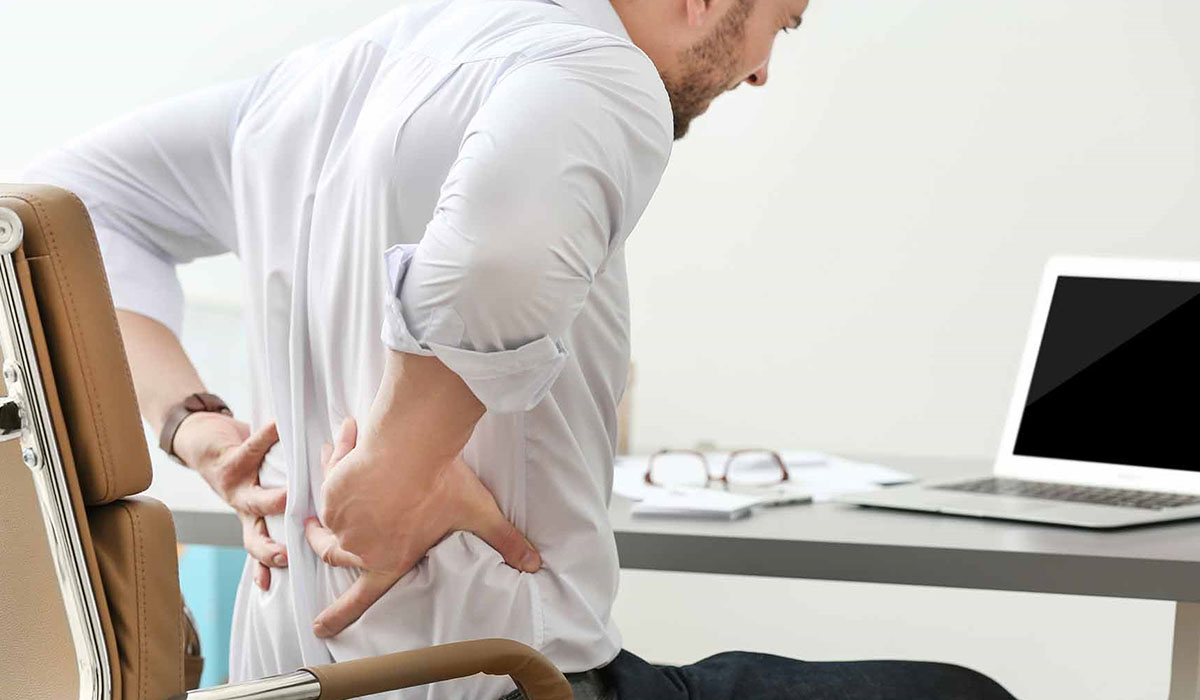
Lower back pain is one of the most common ailments affecting people of all ages. Often stemming from a variety of causes such as poor posture, heavy lifting, injuries, or age-related degeneration, lower back pain can severely impact daily life. When traditional treatments fail to bring relief, consulting a lower back pain specialist can make a significant difference. Nexus Advanced Pain Management in Ahmedabad offers specialized care for lower back pain, with treatments tailored to address specific causes and provide lasting relief. In this blog, we’ll explore common causes, treatment options, and why seeking specialized care is essential.

Common Causes of Lower Back Pain

Understanding the root cause of lower back pain is crucial for effective treatment. Some of the most frequent causes include:

  • Muscle Strain or Sprain: Overuse or injury to the muscles and ligaments supporting the spine often leads to acute lower back pain.
  • Disc Problems: Herniated or degenerated discs can press on spinal nerves, causing pain, numbness, and discomfort.
  • Arthritis: Conditions such as osteoarthritis can cause inflammation in the joints of the spine, resulting in chronic pain.
  • Sciatica: Sciatica occurs when the sciatic nerve is pinched, usually due to a herniated disc or bone spur, causing pain that radiates down the leg.
  • Spinal Stenosis: Narrowing of the spinal canal, often related to age, can lead to pain and nerve compression in the lower back.
  • Lifestyle Factors: Poor posture, a sedentary lifestyle, and obesity can all contribute to lower back pain.

Addressing the root cause of pain is a critical first step for pain specialists, helping them create targeted treatment plans for lasting relief.

When to See a Lower Back Pain Specialist

It’s important to recognize when lower back pain requires professional intervention. You should consider seeing a lower back pain specialist if:

  • Pain Persists for More Than a Few Weeks: Persistent pain may indicate a more serious underlying condition.
  • Radiating Pain: Pain that travels down the leg or to other areas may signal nerve involvement.
  • Numbness or Weakness: If you experience numbness, tingling, or weakness in the legs or feet, it could indicate nerve compression.
  • Limited Mobility: Difficulty moving or performing daily tasks due to lower back pain is a strong indicator that specialized care is needed.
  • Previous Treatments Have Failed: If you’ve tried conventional methods like rest, physical therapy, or medications without success, a pain specialist can offer more advanced options.

At Nexus Advanced Pain Management, the team provides expert care tailored to the unique needs of each patient, ensuring a comprehensive approach to back pain management.

Diagnostic Techniques for Lower Back Pain

Pain specialists use several diagnostic methods to pinpoint the cause of lower back pain accurately:

  • Physical Examination: A physical exam assesses range of motion, pain points, and neurological responses.
  • Imaging Studies: X-rays, MRIs, and CT scans help visualize the spine and identify issues such as disc herniations, fractures, or spinal stenosis.
  • Nerve Conduction Studies: For patients with nerve-related pain, nerve conduction tests can determine if there is nerve damage or compression.
  • Blood Tests: In cases where an underlying inflammatory or infectious condition is suspected, blood tests may be ordered to rule out other causes.

These diagnostic tools allow specialists at Nexus Advanced Pain Management to provide a precise diagnosis, which is essential for developing an effective treatment plan.

Advanced Treatment Options for Lower Back Pain

Lower back pain specialists utilize a range of treatments to address both acute and chronic pain. At Nexus Advanced Pain Management, some advanced options include:

  • Epidural Steroid Injections: These injections reduce inflammation and provide pain relief for conditions such as herniated discs or spinal stenosis.
  • Nerve Blocks: Targeted injections block pain signals from affected nerves, helping to alleviate pain.
  • Radiofrequency Ablation (RFA): RFA uses heat to disrupt pain signals from nerves, offering long-term relief for patients with chronic lower back pain.
  • Spinal Cord Stimulation (SCS): A device implanted near the spinal cord delivers mild electrical pulses that interfere with pain signals before they reach the brain.
  • Physical Therapy and Exercise: Pain specialists often incorporate therapeutic exercises to strengthen the core and improve posture, which can prevent future pain episodes.
  • Minimally Invasive Spine Surgery: In severe cases, pain specialists may collaborate with spine surgeons to perform minimally invasive procedures, such as microdiscectomy or vertebroplasty.

Nexus Advanced Pain Management offers a range of these specialized treatments, allowing patients to choose options that best suit their condition and comfort level.

The Importance of a Personalized Treatment Plan

Each patient’s experience with lower back pain is unique, which is why pain specialists develop individualized treatment plans. A personalized approach takes into account:

  • Pain Duration and Intensity: Chronic, severe pain may require more intensive treatments, while acute pain might respond well to conservative methods.
  • Patient Lifestyle and Goals: Specialists consider each patient’s daily activities, occupation, and overall health to create a realistic plan that allows them to continue living comfortably.
  • Combination of Therapies: Many patients benefit from a multimodal approach, combining medication, physical therapy, and advanced treatments to manage their pain effectively.
  • Ongoing Monitoring and Adjustments: Pain specialists continuously monitor patient progress and adjust the treatment plan as needed to optimize results.

Nexus Advanced Pain Management emphasizes individualized care, ensuring that each patient receives the right combination of treatments for sustainable relief.

Holistic Pain Management Approaches

In addition to medical treatments, a holistic approach to lower back pain includes:

  • Mindfulness and Stress Reduction: Chronic pain can be emotionally draining, and practices such as mindfulness, meditation, and relaxation techniques can help patients cope.
  • Nutritional Support: A healthy diet that reduces inflammation can complement other pain management strategies.
  • Lifestyle Modifications: Pain specialists may suggest ergonomic improvements, weight management, and exercise routines to reduce strain on the lower back.

Nexus Advanced Pain Management encourages patients to embrace a holistic lifestyle that supports overall health, reducing the risk of recurring back pain.

Why Choose Nexus Advanced Pain Management in Ahmedabad?

When it comes to treating lower back pain, having a dedicated team of pain specialists is invaluable. Nexus Advanced Pain Management in Ahmedabad provides comprehensive care, employing a combination of diagnostic precision, advanced treatments, and a compassionate approach. The team’s expertise in lower back pain management ensures patients receive customized care plans, designed to relieve pain and improve function. By incorporating both advanced technology and holistic methods, Nexus offers patients a full spectrum of treatment options.

Conclusion

Lower back pain doesn’t have to control your life. With the guidance of a specialist, you can identify the cause of your pain and find relief through targeted, effective treatments. Nexus Advanced Pain Management in Ahmedabad is committed to helping patients overcome lower back pain, offering cutting-edge treatments and compassionate care. If you’re experiencing persistent lower back pain, don’t wait to seek specialized help. Contact Nexus Advanced Pain Management today and take the first step toward a pain-free life.

Categories Pain Management

How Pain Specialists in Ahmedabad Can Help You Live Pain-Free

Introduction

Chronic pain can make everyday tasks challenging, impacting your overall quality of life. Pain specialists are medical experts trained in diagnosing and managing pain conditions, helping individuals find relief where general practitioners may struggle. In Ahmedabad, Nexus Advanced Pain Management offers access to experienced pain specialists who provide comprehensive solutions for various pain conditions. This blog delves into the role of pain specialists, the treatments they offer, and how their expertise can make a life-changing difference for those suffering from chronic pain.

  1. What Is a Pain Specialist?

    Pain specialists are medical doctors who have advanced training and expertise in diagnosing and treating complex pain conditions. While general practitioners may address basic pain relief, pain specialists focus on understanding the root cause of chronic pain and offering a broad range of treatment options that may not be available in a standard clinical setting. They treat conditions including neuropathic pain, musculoskeletal disorders, cancer-related pain, and more. Pain specialists play a crucial role in managing conditions that traditional treatments might not fully address.
  2. Benefits of Consulting a Pain Specialist

    Seeing a pain specialist offers several advantages:
  • Targeted Diagnosis: Pain specialists can provide a precise diagnosis, pinpointing the source of chronic pain through specialized tests and assessments.
  • Personalized Treatment Plans: Pain specialists understand that every patient’s pain experience is unique. They develop individualized treatment plans tailored to specific needs.
  • Access to Advanced Treatments: Pain specialists have access to cutting-edge pain management techniques that go beyond standard medication, including nerve blocks, spinal cord stimulation, and regenerative therapies.
  • Multidisciplinary Approach: Pain specialists often collaborate with other healthcare professionals, such as physical therapists and psychologists, to offer a comprehensive, holistic approach to pain relief.
  1. Common Conditions Treated by Pain Specialists

    Pain specialists are skilled in treating a wide range of pain-related conditions, including:
  • Lower Back Pain: One of the most common reasons patients visit pain specialists, often stemming from herniated discs, spinal stenosis, or muscular issues.
  • Neuropathic Pain: Conditions such as diabetic neuropathy, trigeminal neuralgia, and post-herpetic neuralgia, which involve nerve-related pain, can be effectively managed by pain specialists.
  • Joint and Musculoskeletal Pain: Arthritis, frozen shoulder, and sports injuries are common conditions treated by pain specialists.
  • Cancer-Related Pain: Pain from cancer and its treatments can be severe, and pain specialists provide targeted interventions for effective relief.
  • Migraine and Headache Disorders: Chronic migraines and tension headaches can significantly impact daily life, and pain specialists offer treatment to alleviate symptoms.

Nexus Advanced Pain Management in Ahmedabad is dedicated to treating these and many other pain conditions, ensuring patients receive care specific to their needs.

  1. Advanced Treatment Techniques Used by Pain Specialists

    Pain specialists at Nexus Advanced Pain Management use a variety of innovative treatments to address chronic pain, including:
  • Epidural Injections: Used to deliver pain-relieving medication directly to the affected area in the spine, particularly for conditions like sciatica and lower back pain.
  • Nerve Blocks: Targeted injections that block pain signals from specific nerves, providing relief for conditions such as migraines and complex regional pain syndrome.
  • Radiofrequency Ablation: This minimally invasive procedure uses radio waves to heat and disable nerve endings, helping reduce chronic pain in the spine, joints, and other areas.
  • Spinal Cord Stimulation: A small device is implanted near the spinal cord, delivering electrical impulses that disrupt pain signals traveling to the brain.
  • Intrathecal Pain Pumps: These pumps deliver pain medication directly to the spinal fluid, offering controlled relief for severe chronic pain.
  • Botox Injections: Often used for migraine management, Botox helps alleviate pain by relaxing muscles and reducing tension.

These specialized treatments are often only available through pain management centers like Nexus, making pain specialists invaluable for those seeking long-term relief.

  1. How Pain Specialists Develop a Personalized Pain Management Plan

    One of the key benefits of consulting a pain specialist is receiving a treatment plan tailored to your specific condition, pain triggers, and lifestyle. Pain specialists at Nexus Advanced Pain Management take the following steps in creating personalized plans:
  • Initial Assessment: Pain specialists conduct a comprehensive evaluation, reviewing medical history, conducting physical exams, and often using diagnostic imaging.
  • Diagnosis and Planning: After identifying the root cause of pain, specialists design a personalized treatment plan, combining medication, therapies, and lifestyle changes.
  • Implementing Advanced Treatments: Based on the diagnosis, specialists may suggest advanced treatments, such as nerve blocks, PRP therapy, or spinal injections, to provide lasting relief.
  • Monitoring and Adjustments: Pain specialists continually monitor the effectiveness of treatments and adjust the plan as needed to achieve optimal results for each patient.
  1. The Role of a Holistic Approach in Pain Management

    Pain specialists at Nexus Advanced Pain Management focus on treating the whole person, not just the pain. They recognize that chronic pain can lead to emotional, psychological, and social issues. To address this, they incorporate:
  • Physical Therapy: To help improve mobility and reduce pain through exercises and stretching routines.
  • Behavioral Therapy: Techniques to manage the psychological aspects of chronic pain, such as stress, anxiety, and depression.
  • Nutritional Guidance: A healthy diet can influence pain levels, and specialists may offer guidance on anti-inflammatory foods.
  • Patient Education: Helping patients understand their condition and teaching them self-management techniques that can empower them to take control of their pain.

This holistic approach ensures that patients not only experience pain relief but also enjoy an improved quality of life.

  1. Choosing Nexus Advanced Pain Management in Ahmedabad

    For those seeking specialized pain care, Nexus Advanced Pain Management in Ahmedabad provides expert treatment in a compassionate environment. With a team of experienced pain specialists and access to advanced, minimally invasive treatments, Nexus is committed to helping patients manage pain effectively. By focusing on both physical and emotional well-being, Nexus Advanced Pain Management ensures patients receive the best possible care for lasting relief.

Conclusion

If you’re struggling with chronic pain, consulting a pain specialist can provide you with the targeted care and relief you need. Pain specialists at Nexus Advanced Pain Management are skilled in diagnosing and treating a variety of complex pain conditions, utilizing advanced techniques and a holistic approach to help patients reclaim their lives. With individualized care plans and a compassionate team, Nexus is dedicated to helping you find effective, long-term pain relief. Don’t let chronic pain control your life – reach out to Nexus Advanced Pain Management in Ahmedabad and start your journey toward a pain-free future.

Categories Chronic Pain

Why Choose a Pain Management Clinic in Ahmedabad for Chronic Pain Relief?

Introduction

Living with chronic pain can be physically, emotionally, and mentally draining. For many, pain becomes a daily challenge that impacts every aspect of life. While over-the-counter medications and home remedies may offer temporary relief, chronic pain often requires a more specialized approach. Pain management clinics, such as Nexus Advanced Pain Management in Ahmedabad, provide dedicated, comprehensive care for those suffering from persistent pain. In this blog, we’ll explore why choosing a pain management clinic for chronic pain relief is beneficial, what services these clinics offer, and why Nexus Advanced Pain Management stands out in Ahmedabad.

What Is a Pain Management Clinic?

A pain management clinic is a healthcare facility dedicated to diagnosing, treating, and managing various types of pain, particularly chronic pain conditions. Unlike general hospitals or clinics, these centers offer a multidisciplinary approach, combining the expertise of doctors, physical therapists, and specialized practitioners to address pain from multiple angles. Pain management clinics work to identify the underlying cause of pain and tailor treatments to each patient’s unique needs, often incorporating advanced techniques that go beyond traditional pain relief methods.

Types of Pain Treated at Pain Management Clinics

Pain management clinics are equipped to handle a range of conditions, including:

  • Chronic back pain: Often resulting from injuries, herniated discs, or degenerative diseases.
  • Cancer pain: Addressing the pain that accompanies cancer or its treatment.
  • Neuropathic pain: Including conditions like post-herpetic neuralgia, diabetic neuropathy, and sciatica.
  • Musculoskeletal pain: For conditions such as arthritis, fibromyalgia, and muscle injuries.
  • Post-surgical pain: Pain persisting after surgical procedures, which can be managed with specific therapies.
  • Sports injuries: Pain from sports-related injuries like ligament tears, tendonitis, and joint damage.

By providing targeted, condition-specific treatments, pain management clinics can significantly enhance patients’ quality of life, helping them regain mobility and function.

Why Choose Specialized Pain Care?

Chronic pain requires a deep understanding of various factors that contribute to pain perception, from physical damage to neurological and psychological aspects. Pain management specialists are trained to:

  • Diagnose complex pain conditions that might be missed in a general practice setting.
  • Offer advanced, minimally invasive treatments to relieve pain effectively.
  • Address psychological factors related to chronic pain, such as anxiety and depression.
  • Provide ongoing care and support to manage pain over the long term.

Choosing a specialized clinic like Nexus Advanced Pain Management means accessing a team of experts who are well-versed in the latest pain management techniques and understand the intricacies of chronic pain. This specialized approach often results in better outcomes and greater patient satisfaction.

Advanced Treatment Options Available

One of the major benefits of visiting a pain management clinic is the availability of advanced treatments that go beyond conventional painkillers or physical therapy. Here are some advanced pain management techniques commonly offered at specialized clinics like Nexus Advanced Pain Management:

  • Nerve Blocks: Injected medications block pain signals from specific nerves, providing relief for various conditions like migraines, arthritis, and sciatica.
  • Spinal Cord Stimulation: A device implanted near the spine sends electrical impulses to interfere with pain signals before they reach the brain.
  • Radiofrequency Ablation: This technique uses radio waves to heat and disable nerve endings, effectively reducing chronic pain, especially in the back or neck.
  • Intrathecal Drug Delivery Systems: This method involves delivering pain-relief medication directly to the spinal fluid, providing targeted and controlled pain management.
  • Platelet-Rich Plasma (PRP) Therapy: A regenerative treatment that uses a patient’s own blood platelets to promote healing and reduce inflammation, particularly for joint and muscular pain.

These treatments are minimally invasive, highly effective, and tailored to meet the unique needs of each patient.

The Role of a Multidisciplinary Approach in Pain Management

Pain management clinics utilize a multidisciplinary approach to offer a well-rounded treatment plan. By combining the skills of pain specialists, physical therapists, psychologists, and other healthcare professionals, pain management clinics provide:

  • Comprehensive Treatment Plans: Integrating physical, medical, and psychological therapies to address the root cause of pain.
  • Rehabilitation Support: Programs to rebuild strength and function, especially following injury or surgery.
  • Behavioral Therapy: Techniques to help patients cope with the mental and emotional impact of chronic pain.
  • Patient Education: Helping patients understand their condition, treatment options, and lifestyle adjustments that can aid in managing pain.

This collaborative approach ensures patients receive holistic care, improving both physical health and emotional well-being.

The Importance of a Personalized Pain Management Plan

Every patient experiences pain differently, and what works for one person may not be effective for another. Pain management specialists work closely with patients to develop personalized treatment plans that reflect their specific symptoms, pain triggers, and lifestyle needs. A customized approach helps patients achieve more effective and sustainable pain relief. Nexus Advanced Pain Management in Ahmedabad prides itself on offering such individualized care, ensuring that each patient receives the most appropriate and effective treatment.

Conclusion

For those suffering from chronic pain, finding relief can be a life-changing experience. Pain management clinics like Nexus Advanced Pain Management in Ahmedabad offer specialized, effective, and compassionate care. With a team of experienced professionals and a range of advanced treatments, Nexus is committed to improving patients’ quality of life and helping them manage their pain effectively. If you or a loved one is dealing with chronic pain, consider consulting with Nexus Advanced Pain Management to discover a treatment plan that is right for you.