Categories Injections for Pain Relief

Injections for Pain Relief: What You Need to Know Before Treatment

Pain relief can significantly improve your quality of life, but it’s important to understand the various options available. One effective method is the use of injections for pain relief, which can target specific areas of discomfort, reduce inflammation, and offer long-lasting relief. Whether you’re dealing with chronic pain, acute injuries, or ongoing discomfort, injections could be a valuable part of your treatment plan. However, it’s essential to have a clear understanding of what these injections involve, how they work, and what you should consider before opting for this approach.

What Are Injections for Pain Relief?

Injections for pain relief are medical procedures used to administer medication directly into or around the site of pain. These injections can deliver anti-inflammatory medications, corticosteroids, anesthetics, or other treatments designed to target specific conditions causing discomfort. The goal of these injections is to alleviate pain, reduce inflammation, and improve mobility without the need for invasive surgery.

There are several types of injections commonly used for pain relief:

  1. Corticosteroid Injections: These are often used to treat conditions that cause inflammation, such as arthritis, bursitis, and certain musculoskeletal disorders. Corticosteroids can help reduce swelling and relieve pain temporarily.
  2. Anesthetic Injections: These include local anesthetics that block nerve signals and can provide immediate pain relief. Nerve blocks, such as those used in chronic pain management, are common examples.
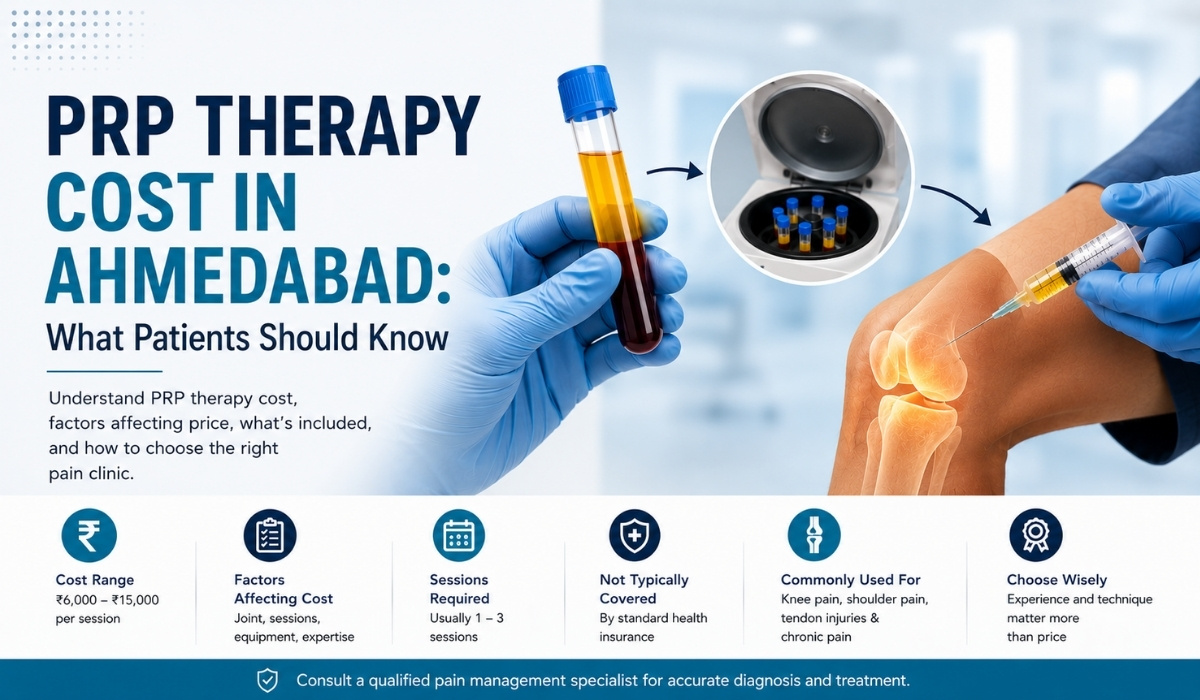
  3. Platelet-Rich Plasma (PRP) Injections: PRP therapy is gaining popularity for treating musculoskeletal injuries and conditions, such as tendonitis or arthritis. It involves using a sample of your own blood, which is processed to concentrate the healing components, and then injected into the affected area.
  4. Hyaluronic Acid Injections: These are used primarily for osteoarthritis and help improve lubrication in the joint, relieving stiffness and pain.

When Are Injections Recommended?

Injections for pain relief are often recommended when other treatment methods, such as medications, physical therapy, or lifestyle changes, haven’t been effective. Injections can be used for both acute and chronic pain conditions, and your healthcare provider may suggest injections in the following situations:

  • Chronic Joint Pain: For conditions like osteoarthritis or rheumatoid arthritis, injections can reduce inflammation and slow down the progression of joint damage.
  • Muscle and Tendon Injuries: Injections can help in cases of tendinitis, bursitis, or other soft tissue injuries by promoting healing and alleviating pain.
  • Back Pain: Injections can be used to relieve lower back pain caused by conditions like herniated discs, spinal stenosis, or sciatica.
  • Headaches: For migraines or tension headaches, specific injections can help manage symptoms.

What to Consider Before Receiving Injections?

Before opting for injections as a pain relief treatment, there are several important factors to consider:

  • Medical History: Discuss your full medical history with your healthcare provider. It’s important to inform them about any underlying health conditions, previous injuries, or chronic diseases that could impact the success of the injections.
  • Current Medications: Let your healthcare provider know about any medications you are currently taking, including over-the-counter drugs, supplements, and other prescription medications. This helps to avoid interactions that could interfere with the effectiveness of the injections.
  • Allergies: If you have any known allergies—particularly to anesthetics, corticosteroids, or other medications—be sure to share this information with your provider.
  • Potential Risks: Like all medical procedures, injections come with certain risks. These may include pain at the injection site, swelling, infection, or allergic reactions. Your healthcare provider will assess these risks based on your specific condition.
  • Expected Outcomes: Understand what to expect from the injection. Injections can provide temporary relief, but they are not a cure. They are often part of a broader pain management plan that may include other therapies.
  • Long-Term Management: Consider the long-term management of your condition. Injections may offer temporary relief, but long-term pain management may require a combination of treatments, lifestyle changes, and possibly more frequent injections.

What to Expect During the Procedure?

The process of receiving a pain relief injection typically involves the following steps:

  • Consultation: You’ll first have a consultation with your healthcare provider to discuss your pain, medical history, and the best course of action.
  • Preparation: Depending on the type of injection, you may be asked to stop certain medications or adjust your lifestyle in preparation for the procedure.
  • The Injection: During the injection procedure, a trained healthcare provider will carefully target the area causing pain. This may involve the use of imaging techniques such as X-rays, ultrasound, or fluoroscopy to ensure accuracy. The procedure is usually done in a clinic setting and can be performed with local anesthesia.
  • Recovery: After the injection, you may experience mild discomfort or swelling. Most people are able to resume their daily activities shortly after the procedure, but it’s important to follow your provider’s post-injection care instructions.

Long-Term Pain Management with Injections

While injections can offer relief in the short term, managing pain effectively often requires a combination of treatments. These may include physical therapy, lifestyle changes, medication adjustments, and other pain management strategies. In some cases, repeated injections may be necessary, but it’s important to work closely with your healthcare provider to develop a personalized treatment plan that balances relief with long-term care.

Nexus Advanced Pain Management: A Trusted Partner in Pain Relief

If you’re seeking expert guidance for pain relief, Nexus Advanced Pain Management offers comprehensive care that focuses on both immediate pain relief and long-term healing. With state-of-the-art facilities and a team of experienced pain specialists, Nexus Advanced Pain Management tailors treatment plans to each individual’s unique needs. Whether through injections, physical therapy, or other advanced pain management techniques, they are dedicated to helping patients regain their comfort and mobility.

At Nexus Advanced Pain Management, patients benefit from personalized care, cutting-edge technology, and a compassionate approach to pain relief. Their goal is not only to alleviate pain but also to empower patients with the knowledge and tools they need to live fuller, healthier lives.

Conclusion

Injections for pain relief can be an effective tool for managing both acute and chronic pain, offering targeted relief without the need for surgery. However, it’s crucial to have a thorough understanding of the options, consider the potential risks, and work closely with a healthcare provider to determine the most appropriate treatment plan for your specific needs. If you’re looking for expert pain management in your area, Nexus Advanced Pain Management stands out as a trusted partner, providing personalized and comprehensive care to help you find relief and restore your quality of life.

Categories Trigeminal Neuralgia

Advanced Pain Management Options for Trigeminal Neuralgia

Trigeminal neuralgia (TN), often described as one of the most excruciating forms of pain, affects the trigeminal nerve, which is responsible for transmitting sensations from the face to the brain. Even simple activities like brushing teeth or touching the face can trigger intense pain episodes. The good news is that advancements in medical science have introduced a variety of pain management options for those suffering from TN. This blog delves into the causes, symptoms, and advanced treatment modalities available for trigeminal neuralgia.

Understanding Trigeminal Neuralgia

Trigeminal neuralgia is a chronic pain condition typically caused by compression of the trigeminal nerve, often by a blood vessel. This compression leads to erratic and hyperactive nerve signals, resulting in sudden, severe facial pain. Less commonly, trigeminal neuralgia can be linked to multiple sclerosis, tumours, or other neurological conditions.

Common Symptoms:

  • Sudden, severe, stabbing pain on one side of the face.
  • Pain episodes lasting from a few seconds to several minutes.
  • Pain triggered by light stimulation, such as eating, speaking, or touching the face.
  • Episodes that become more frequent and intense over time.

Diagnosing Trigeminal Neuralgia

Accurate diagnosis is crucial for effective treatment. Neurologists typically rely on:

  • Medical History: Understanding the nature of the pain and identifying triggers.
  • Physical Examination: Evaluating facial sensations and reflexes.
  • Imaging Tests: MRI scans can help detect possible causes, such as nerve compression or underlying conditions like multiple sclerosis.

Advanced Pain Management Options

Managing trigeminal neuralgia requires a multifaceted approach tailored to the individual’s condition and severity of symptoms. Below are the most advanced options available:

Medications

Medications are often the first line of treatment for TN. Common drugs include:

  • Anticonvulsants: Medications like carbamazepine and gabapentin are effective in stabilising nerve activity and reducing pain.
  • Muscle Relaxants: Drugs such as baclofen may be prescribed, especially when used alongside anticonvulsants.
  • Tricyclic Antidepressants: Low doses of amitriptyline or nortriptyline can help manage neuropathic pain.

Minimally Invasive Procedures

Minimally invasive options are often recommended when medications fail to provide adequate relief or cause significant side effects.

a) Radiofrequency Rhizotomy

This procedure uses heat generated by radiofrequency waves to selectively damage nerve fibres, thereby reducing pain signals. It is a quick procedure with minimal recovery time and provides significant relief for many patients.

b) Balloon Compression

A small balloon is inserted and inflated near the trigeminal nerve to compress it and disrupt pain signals. This is another effective option for patients who do not respond to medication.

c) Glycerol Injections

A small amount of glycerol is injected into the trigeminal nerve root to block pain signals. This procedure is highly effective for many patients and can be repeated if necessary.

Surgical Options

For severe cases of TN, surgical intervention may be the best course of action. Advanced surgical techniques include:

a) Microvascular Decompression (MVD)

MVD is a highly effective surgical procedure that involves relieving the pressure on the trigeminal nerve caused by blood vessels. This procedure offers long-lasting relief and preserves nerve function.

b) Gamma Knife Radiosurgery

This non-invasive technique uses focused radiation to target the trigeminal nerve, disrupting pain signals. It is an outpatient procedure with minimal side effects and a high success rate.

Neuromodulation Techniques

Neuromodulation involves using electrical or magnetic stimulation to alter nerve activity. This is a promising field for managing chronic pain conditions like TN.

a) Transcranial Magnetic Stimulation (TMS)

TMS uses magnetic fields to stimulate specific brain areas associated with pain regulation. It is non-invasive and well-tolerated by most patients.

b) Peripheral Nerve Stimulation (PNS)

In this procedure, a small device is implanted to deliver electrical impulses to the affected nerve, helping to block pain signals.

Lifestyle Modifications and Supportive Therapies

While advanced medical treatments are essential, incorporating lifestyle changes can help manage symptoms:

  • Stress Management: Practices like yoga, mindfulness, and meditation can reduce the frequency and intensity of pain episodes.
  • Dietary Adjustments: Avoiding triggers like caffeine and processed foods may help.
  • Physical Therapy: Certain exercises can strengthen facial muscles and reduce pain sensitivity.

Trigeminal neuralgia, though challenging, is a manageable condition with the right treatment approach. Advanced pain management options, from medications to cutting-edge surgical techniques, offer hope and relief to those affected by this debilitating condition. For individuals experiencing persistent or severe facial pain, seeking professional help is crucial.

At NEXUS Advanced Pain Management, we specialise in providing tailored treatment plans for chronic pain conditions, including trigeminal neuralgia. Our team of experts is dedicated to using the latest medical advancements to help you reclaim a pain-free life. If you or someone you know is battling trigeminal neuralgia, don’t hesitate to reach out to us for compassionate and expert care.

Categories Neuropathic Pain

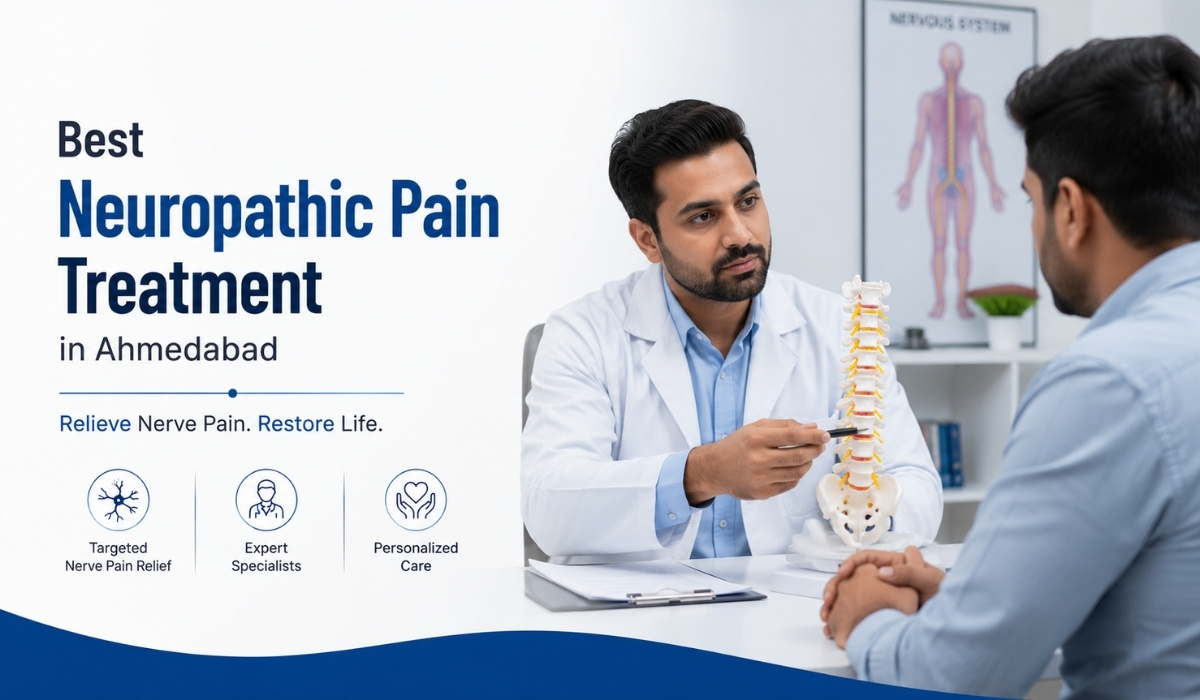
What Is Neuropathic Pain? Understanding Nerve-Related Pain Conditions

Pain is a universal experience, yet it manifests in various forms, each with its own causes and treatments. Among these, neuropathic pain stands out as a complex and often debilitating condition that arises from damage or dysfunction within the nervous system. Understanding neuropathic pain requires delving into its causes, symptoms, and treatment options, as well as recognising its impact on individuals’ lives.

What Is Neuropathic Pain?

Neuropathic pain is a type of chronic pain that occurs due to injury or malfunction in the nerves themselves. Unlike nociceptive pain, which results from external injury or tissue damage (such as a cut or a broken bone), neuropathic pain is directly related to the nervous system’s pathways. It can arise from damage to the peripheral nerves, spinal cord, or brain.

Causes of Neuropathic Pain

Neuropathic pain can stem from a wide range of conditions and situations, including:

  1. Diabetes: Diabetic neuropathy is a common complication of diabetes, often affecting the legs and feet. High blood sugar levels over time can damage nerves and lead to symptoms like burning or tingling sensations.
  2. Injuries: Trauma to the nerves, spinal cord, or brain from accidents or surgeries can result in persistent neuropathic pain.
  3. Infections: Certain infections, such as shingles (caused by the varicella-zoster virus), can cause postherpetic neuralgia, a severe and long-lasting form of nerve pain.
  4. Autoimmune Diseases: Conditions like multiple sclerosis or lupus may lead to nerve damage and neuropathic pain.
  5. Cancer and Chemotherapy: Tumours pressing on nerves or the side effects of chemotherapy drugs can induce nerve-related pain.
  6. Other Neurological Disorders: Diseases such as Parkinson’s disease, stroke, or trigeminal neuralgia may contribute to neuropathic pain.
  7. Idiopathic Causes: In some cases, the exact cause of neuropathic pain remains unknown.

Symptoms of Neuropathic Pain

Neuropathic pain can manifest in various ways, often with symptoms that are persistent and disruptive to daily life. These may include:

  • Burning or shooting pain
  • Tingling or numbness
  • Increased sensitivity to touch (allodynia)
  • Electric shock-like sensations
  • Spontaneous pain without apparent triggers
  • Difficulty sleeping or performing routine activities due to pain intensity

The severity of these symptoms can vary widely between individuals, with some experiencing intermittent discomfort and others enduring constant, debilitating pain.

Diagnosing Neuropathic Pain

Diagnosing neuropathic pain often requires a comprehensive medical evaluation. Physicians typically assess:

  1. Medical History: Reviewing past illnesses, injuries, or conditions that may contribute to nerve damage.
  2. Physical Examination: Checking for areas of tenderness, numbness, or altered sensation.
  3. Diagnostic Tests: Tests like nerve conduction studies, electromyography (EMG), or imaging scans (MRI or CT) may be used to identify nerve abnormalities or underlying conditions.
  4. Pain Questionnaires: Patients may be asked to describe their pain using specific scales or tools to assess its nature and intensity.

Treatment Options for Neuropathic Pain

Managing neuropathic pain can be challenging, as it often requires a multimodal approach tailored to the individual’s needs. Treatment options include:

  1. Medications:
    • Anticonvulsants (e.g., gabapentin, pregabalin): These drugs stabilise overactive nerve signals.
    • Antidepressants (e.g., amitriptyline, duloxetine): These alter chemical pathways involved in pain perception.
    • Topical Treatments: Lidocaine patches or capsaicin creams may provide localised relief.
    • Pain Relievers: Opioids are sometimes prescribed, though their use is typically limited due to dependency risks.
  2. Physical Therapy: Gentle exercises and therapies can improve mobility and reduce pain in some cases.
  3. Interventional Procedures:
    • Nerve Blocks: Injections that interrupt pain signals.
    • Spinal Cord Stimulation: Devices implanted near the spinal cord to modify pain signals.
    • Intrathecal Pumps: Delivering medication directly to the spinal fluid for targeted relief.
  4. Lifestyle Modifications:
    • Maintaining blood sugar levels in diabetes.
    • Regular exercise to improve nerve function and overall health.
    • Stress management techniques like yoga or meditation.
  5. Psychological Support: Chronic pain can take a toll on mental health. Cognitive-behavioural therapy (CBT) and support groups can help individuals cope with the emotional aspects of neuropathic pain.

Living with Neuropathic Pain

Chronic neuropathic pain can significantly impact an individual’s quality of life, affecting their physical, emotional, and social well-being. It’s crucial for patients to work closely with healthcare providers to develop a personalised pain management plan. Education about the condition and open communication about its effects can empower patients to regain a sense of control.

Neuropathic pain is a challenging condition, but with proper diagnosis and treatment, many individuals can achieve significant relief and improve their quality of life. Nexus Advanced Pain Management, a leading facility dedicated to treating chronic pain conditions, offers cutting-edge solutions tailored to individual needs. Whether it’s through innovative interventions, compassionate care, or personalised treatment plans, Nexus Advanced Pain Management is committed to helping patients reclaim their lives from the burden of neuropathic pain.

Categories Knee Pain

Why Your Knees Hurt: Common Causes of Knee Pain and How to Treat Them

Knee pain is a common ailment that affects people of all ages. Whether you’re an athlete, a busy professional, or a retiree, knee discomfort can significantly impact your daily life. Understanding the underlying causes and available treatment options is the first step toward finding relief and preventing further damage. In this article, we’ll explore the common causes of knee pain and offer insights into effective treatments.

Common Causes of Knee Pain

Injuries

The knee is a complex joint that is prone to various injuries, especially in active individuals. Common injuries include:

  • Ligament Tears: Tears in the anterior cruciate ligament (ACL) or posterior cruciate ligament (PCL) often occur during high-impact sports or accidents.
  • Meniscus Tears: The meniscus acts as a cushion between your thighbone and shinbone. A sudden twist or overuse can cause it to tear.
  • Fractures: Trauma, such as falls or accidents, can lead to broken bones around the knee joint.
  • Tendonitis: Overuse can lead to inflammation of the tendons, particularly the patellar tendon, causing pain and discomfort.

Osteoarthritis

Osteoarthritis is a degenerative joint disease that occurs when the cartilage in your knee wears away. This condition is prevalent among older adults and is characterized by stiffness, swelling, and chronic pain.

Rheumatoid Arthritis

Rheumatoid arthritis is an autoimmune condition that causes inflammation in the knee joint. It can lead to severe pain, swelling, and joint deformity over time.

Bursitis

The bursae are small fluid-filled sacs that cushion the knee joint. Inflammation of these sacs, known as bursitis, can cause pain and swelling, often as a result of repetitive motion or prolonged pressure on the knees.

Patellofemoral Pain Syndrome

Commonly referred to as “runner’s knee,” this condition is caused by improper tracking of the kneecap as it moves over the thighbone. It’s often seen in athletes and individuals who perform repetitive knee movements.

Gout and Pseudogout

These forms of arthritis occur when crystals accumulate in the knee joint. Gout is caused by uric acid crystals, while pseudogout involves calcium-containing crystals.

Infections

Infections in the knee joint, such as septic arthritis, can cause severe pain, redness, swelling, and fever. Immediate medical attention is necessary in such cases.

How to Treat Knee Pain

Rest and Ice Therapy

For minor injuries or overuse, rest and ice application can help reduce swelling and alleviate pain. Avoid activities that put strain on your knee and apply ice for 15-20 minutes every few hours.

Physical Therapy

Physical therapy is often recommended for knee pain. Strengthening the muscles around the knee can improve stability and reduce stress on the joint. A physical therapist can guide you through exercises tailored to your specific condition.

Medications

  • Over-the-Counter Pain Relievers: Nonsteroidal anti-inflammatory drugs (NSAIDs) like ibuprofen can help relieve pain and reduce inflammation.
  • Prescription Medications: For conditions like rheumatoid arthritis, your doctor may prescribe disease-modifying antirheumatic drugs (DMARDs) or biologics.

Injections

In some cases, injections may be necessary to manage knee pain:

  • Corticosteroid Injections: These can reduce inflammation and provide temporary relief.
  • Hyaluronic Acid Injections: Often used for osteoarthritis, these injections can lubricate the knee joint.
  • Platelet-Rich Plasma (PRP) Therapy: This newer treatment involves injecting a concentration of your platelets to promote healing.

Lifestyle Changes

  • Weight Management: Excess weight puts additional stress on your knees. Losing weight can significantly reduce pain, especially in cases of osteoarthritis.
  • Low-Impact Exercises: Activities like swimming, cycling, and yoga can help maintain joint health without putting undue pressure on the knees.

Assistive Devices

Using braces, compression sleeves, or orthotics can provide support and alleviate knee pain. These devices help stabilize the knee and distribute pressure more evenly.

Surgical Options

For severe cases, surgery may be the best option:

  • Arthroscopy: A minimally invasive procedure to repair damage inside the knee joint.
  • Partial or Total Knee Replacement: This is typically considered for advanced osteoarthritis or significant joint damage.

Alternative Therapies

Some people find relief through alternative treatments such as:

  • Acupuncture: May help reduce pain by stimulating specific points in the body.
  • Chiropractic Care: Can improve alignment and reduce stress on the knees.

When to See a Doctor

While minor knee pain often resolves with rest and home care, certain symptoms require medical attention:

  • Severe pain or swelling
  • Inability to bear weight on the knee
  • Signs of infection, such as redness, warmth, or fever
  • A popping sound at the time of injury, followed by swelling and instability

Preventing Knee Pain

  • Warm-Up and Stretch: Always warm up before exercising and incorporate stretches to improve flexibility.
  • Wear Proper Footwear: Supportive shoes can help reduce stress on your knees.
  • Maintain Good Posture: Avoid slouching and practice proper body mechanics when lifting or performing activities.
  • Stay Active: Regular exercise keeps your joints healthy and strengthens the muscles that support your knees.

Knee pain can stem from a variety of causes, ranging from injuries to chronic conditions. Identifying the root cause is crucial for effective treatment. While home remedies and lifestyle changes can help manage mild pain, persistent or severe symptoms should be evaluated by a healthcare professional. By taking proactive steps, you can alleviate knee pain and maintain an active, pain-free life.

Categories Complex Regional Pain Syndrome

Managing CRPS: A Guide to Living with Complex Regional Pain Syndrome

Complex Regional Pain Syndrome (CRPS) is a chronic pain condition that typically affects an arm or a leg. It often develops after an injury, surgery, stroke, or heart attack, but the pain is out of proportion to the severity of the initial injury. Managing CRPS is a multifaceted journey that requires a comprehensive approach, involving medical treatment, lifestyle adjustments, and emotional support. This guide provides insights and practical tips to help individuals living with CRPS.

Understanding CRPS

CRPS is classified into two types:

  1. CRPS-I: Occurs without a confirmed nerve injury.
  2. CRPS-II: Occurs with a confirmed nerve injury.

The condition is characterized by prolonged or excessive pain, changes in skin color, temperature, and swelling in the affected area. The exact cause of CRPS remains unknown, but it is believed to involve abnormal responses of the nervous system.

Symptoms of CRPS

Symptoms of CRPS can vary but commonly include:

  • Continuous burning or throbbing pain.
  • Sensitivity to touch or cold.
  • Swelling in the affected area.
  • Changes in skin temperature—alternating between sweaty and cold.
  • Skin color changes ranging from white and mottled to red or blue.
  • Joint stiffness and muscle weakness.
  • Hair and nail growth changes.

Early diagnosis and treatment can significantly improve outcomes, making it crucial to recognize these symptoms and seek medical advice promptly.

Medical Management of CRPS

Treating CRPS often requires a multidisciplinary approach, involving various healthcare professionals such as pain specialists, physical therapists, and psychologists. Common treatment options include:

  1. Medications
  • Pain Relievers: Over-the-counter painkillers like ibuprofen or prescription opioids for severe cases.
  • Anticonvulsants and Antidepressants: Medications like gabapentin or amitriptyline help manage nerve pain.
  • Corticosteroids: Reduce inflammation and swelling.
  • Bisphosphonates: May help reduce bone pain and loss.
  1. Physical Therapy

Physical therapy is vital for maintaining mobility and reducing stiffness in the affected limb. A tailored exercise program can improve blood flow, enhance strength, and reduce symptoms over time.

  1. Nerve Blocks and Injections

Sympathetic nerve blocks or steroid injections can provide temporary relief from severe pain and improve mobility.

  1. Advanced Interventions
  • Spinal Cord Stimulation: Electrical impulses are delivered to the spinal cord to reduce pain.
  • Intrathecal Drug Pumps: Direct delivery of pain-relieving medication to the spinal fluid.

Lifestyle Adjustments for Managing CRPS

  1. Pain Management Techniques
  • Mind-Body Practices: Techniques like meditation, yoga, and deep-breathing exercises can help manage stress and reduce the perception of pain.
  • Heat and Cold Therapy: Alternating between heat and cold packs may provide temporary relief.
  1. Diet and Nutrition

A balanced diet rich in anti-inflammatory foods can help reduce symptoms. Incorporate foods like:

  • Fatty fish (rich in omega-3 fatty acids)
  • Leafy greens
  • Nuts and seeds
  • Whole grains
  • Turmeric and ginger

Avoid processed foods, sugar, and excessive caffeine, as these can exacerbate inflammation.

  1. Sleep Hygiene

CRPS often disrupts sleep, which can worsen symptoms. Maintain good sleep hygiene by:

  • Establishing a regular sleep schedule.
  • Creating a comfortable sleep environment.
  • Avoiding screens and caffeine before bedtime.
  1. Adaptive Tools

Using assistive devices such as braces, compression gloves, or ergonomic tools can help reduce strain on the affected area and improve quality of life.

Emotional and Psychological Support

Living with chronic pain can be emotionally taxing. Addressing the psychological impact of CRPS is essential for overall well-being.

  1. Counseling and Therapy
  • Cognitive Behavioral Therapy (CBT): Helps reframe negative thought patterns and develop coping strategies.
  • Support Groups: Connecting with others who have CRPS can provide emotional validation and practical tips.
  1. Stress Management

Chronic stress can intensify CRPS symptoms. Regularly practicing stress-relief techniques, such as progressive muscle relaxation or journaling, can make a significant difference.

Building a Support Network

Having a strong support system is invaluable when managing CRPS. Family, friends, and healthcare professionals play a crucial role in providing practical assistance and emotional encouragement. Don’t hesitate to communicate your needs and educate your loved ones about CRPS.

Staying Informed and Empowered

Knowledge is power. Stay informed about the latest treatments and research on CRPS by joining organizations such as the Reflex Sympathetic Dystrophy Syndrome Association (RSDSA) or attending educational seminars. Empowering yourself with information can help you make informed decisions about your care.

When to Seek Help

It’s essential to seek medical attention if you experience new or worsening symptoms. Early intervention can prevent CRPS from progressing and improve long-term outcomes.

Managing CRPS is a challenging journey, but it is possible to lead a fulfilling life with the right combination of treatments, lifestyle adjustments, and emotional support. By staying proactive and seeking help when needed, individuals with CRPS can regain a sense of control and improve their quality of life. Remember, you’re not alone in this—reach out to your support network and healthcare team for guidance and encouragement.