
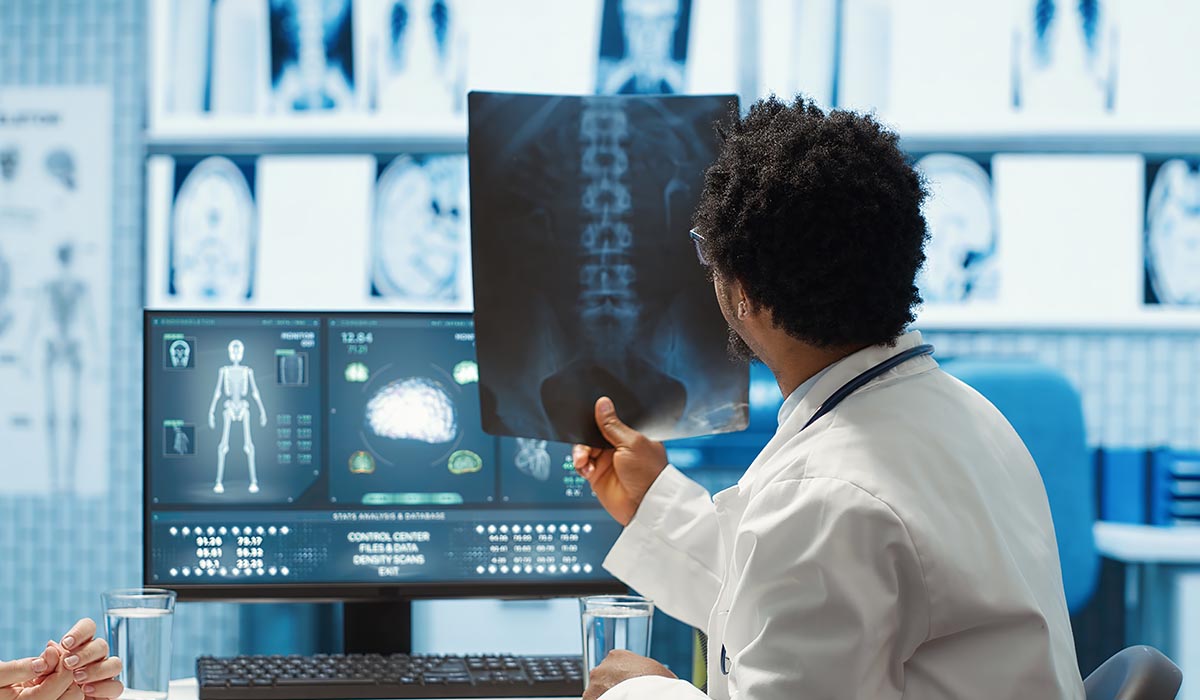

Chronic pain is one of the leading health challenges in India, affecting people of all age groups. From back and neck pain to arthritis and neuropathic disorders, persistent pain can significantly reduce quality of life. While traditional treatments like medications and surgeries have been the standard, recent years have seen remarkable innovations in non-surgical pain management. These advancements offer safer, less invasive, and more effective solutions for patients struggling with chronic pain.
Why Non-Surgical Pain Management Matters
Surgery is often considered a last resort due to its associated risks, long recovery periods, and potential complications. Non-surgical treatments aim to relieve pain, restore function, and improve quality of life without the need for invasive procedures. They are particularly suitable for patients who are not candidates for surgery, those with chronic conditions, or individuals seeking preventive strategies.
Non-surgical treatments can also reduce dependency on long-term medications, including opioids, which carry risks of side effects and addiction. The goal is to manage pain holistically, addressing not just symptoms but the underlying causes wherever possible.
Emerging Innovations in Pain Management
Modern pain clinics in India, like Nexus Advanced Pain Management, are adopting cutting-edge technologies and therapies to improve patient outcomes. Some of the notable innovations include:
- Regenerative Medicine:
- Stem cell therapy and platelet-rich plasma (PRP) treatments are being used to regenerate damaged tissues in joints, muscles, and nerves.
- These therapies promote natural healing and can significantly reduce pain caused by degenerative conditions like osteoarthritis.
- Minimally Invasive Interventions:
- Procedures such as radiofrequency ablation (RFA), spinal cord stimulation (SCS), and targeted nerve blocks provide precise pain relief.
- These methods avoid large incisions, reduce recovery time, and offer long-lasting results.
- Advanced Imaging and Diagnostics:
- Modern imaging techniques like high-resolution MRI, CT scans, and ultrasound-guided interventions enable accurate diagnosis of pain sources.
- Precise targeting ensures more effective treatments with minimal risks.
- Neuromodulation Therapies:
- Neuromodulation techniques, including transcutaneous electrical nerve stimulation (TENS) and spinal cord stimulators, alter pain signaling in the nervous system.
- These therapies are especially effective for neuropathic pain and conditions like complex regional pain syndrome (CRPS).
- Telemedicine and Digital Pain Management:
- Virtual consultations, remote monitoring, and app-based exercise programs allow continuous care, particularly for patients in remote areas.
- Digital tools track pain patterns, progress, and response to therapies, enabling personalised adjustments to treatment plans.
- Integrative and Holistic Approaches:
- Combining physiotherapy, occupational therapy, mindfulness, yoga, and counselling ensures comprehensive care.
- Addressing the physical, emotional, and psychological aspects of pain improves overall outcomes.
Benefits of Modern Non-Surgical Treatments
The advantages of these innovations are numerous:
- Reduced Risk: Non-surgical procedures have fewer complications compared to traditional surgeries.
- Faster Recovery: Patients often resume daily activities within days rather than weeks.
- Long-lasting Relief: Advanced therapies target the root cause of pain, providing sustained benefits.
- Personalised Care: Treatment plans are tailored to individual needs, taking into account lifestyle, medical history, and pain severity.
- Holistic Approach: Physical, mental, and emotional well-being are considered in modern pain management strategies.
Who Can Benefit?
Non-surgical pain management is suitable for a wide range of patients, including:
- Individuals with chronic back, neck, or joint pain
- Patients with nerve-related conditions like sciatica or neuropathy
- Those with arthritis or degenerative musculoskeletal disorders
- Post-surgical patients experiencing persistent pain
- People seeking alternatives to long-term medication or invasive surgery
Early consultation with a qualified pain specialist ensures the most appropriate therapy is selected for each patient’s condition.
Future Directions in Pain Management
The future of pain management in India looks promising. Research is ongoing to enhance regenerative therapies, improve neuromodulation devices, and develop AI-driven diagnostic tools. Wearable technology and smart monitoring systems will allow real-time tracking of pain and treatment effectiveness. Additionally, combining non-surgical methods with lifestyle interventions and digital support systems will make pain management more accessible and effective for a broader population.
Conclusion
Innovations in non-surgical pain management are transforming the way chronic pain is treated, offering safer, effective, and patient-friendly alternatives to surgery. By focusing on regenerative therapies, minimally invasive procedures, advanced diagnostics, and holistic care, patients can achieve long-lasting relief while improving overall quality of life. For those seeking expert evaluation, personalised treatment plans, and access to the latest pain management innovations, Nexus Advanced Pain Management provides comprehensive care with advanced therapies designed to address each patient’s unique needs and restore mobility and comfort naturally.