Categories Regenerative Therapy, Stem Cell Therapy

The Role of Stem Cell Therapy in Regenerative Pain Management

Chronic pain is a persistent and often debilitating condition that affects millions worldwide. Traditional pain management strategies, such as medications, physical therapy, or injections, can provide relief but often do not address the root cause of tissue damage or degeneration. In recent years, stem cell therapy has emerged as a revolutionary approach in regenerative medicine, offering the potential to repair damaged tissues and restore normal function, rather than merely masking symptoms.

What is Stem Cell Therapy?

Stem cells are unique cells capable of developing into different cell types and regenerating damaged tissues. In the context of pain management, stem cell therapy involves harvesting stem cells from a patient’s own body, typically from bone marrow or adipose (fat) tissue, and introducing them into injured areas to promote natural healing. These cells can differentiate into cartilage, bone, or nerve tissue, depending on the targeted area, making them an ideal solution for degenerative conditions that cause chronic pain.

How Stem Cell Therapy Helps in Pain Management

Stem cell therapy addresses the underlying causes of pain by promoting tissue regeneration and reducing inflammation. Some of the ways it contributes to pain relief include:

  1. Cartilage Regeneration: Osteoarthritis and joint degeneration are major sources of chronic pain. Stem cells can differentiate into cartilage cells, repairing damaged joints and improving mobility.
  2. Nerve Repair: Chronic neuropathic pain often arises from nerve damage. Stem cells can support nerve regeneration, potentially reducing nerve-related discomfort.
  3. Reduced Inflammation: Stem cells release anti-inflammatory molecules that help reduce swelling and pain in affected areas.
  4. Tissue Healing: Injuries to tendons, ligaments, or muscles can result in long-term pain. Stem cells accelerate the healing process, restoring function and strength.

By promoting actual tissue repair rather than simply alleviating symptoms, stem cell therapy represents a paradigm shift in pain management.

Conditions Treated with Stem Cell Therapy

Stem cell therapy has shown promise in treating a wide range of chronic pain conditions, including:

  • Osteoarthritis: Particularly in knees, hips, and shoulders, where cartilage degradation is common.
  • Degenerative Disc Disease: Stem cells can help restore damaged spinal discs, reducing back pain.
  • Tendon and Ligament Injuries: Conditions such as rotator cuff injuries or Achilles tendon damage can benefit from regenerative therapy.
  • Neuropathic Pain: Nerve injuries causing burning or shooting pain may improve with stem cell treatments.
  • Sports Injuries: Athletes with persistent pain due to ligament or cartilage injuries often experience faster recovery.

The Procedure

Stem cell therapy is a minimally invasive procedure that can often be performed on an outpatient basis. The typical process involves:

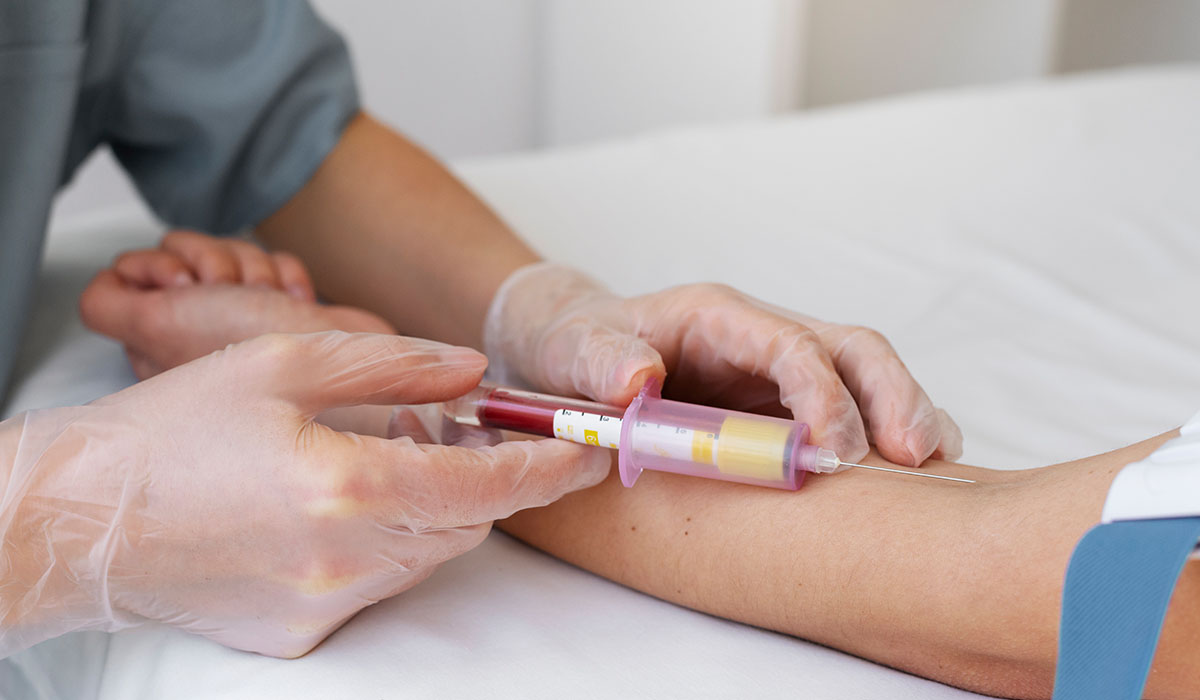
  1. Harvesting: Stem cells are extracted from the patient’s bone marrow or fat tissue using a small, sterile procedure.
  2. Processing: The harvested cells are concentrated and prepared for injection.
  3. Injection: Under image guidance, stem cells are injected into the targeted area, such as a joint, tendon, or spinal disc.
  4. Recovery and Monitoring: Patients are usually monitored for several weeks. Physical therapy and follow-up assessments help ensure optimal outcomes.

Most patients experience gradual improvement over several weeks to months as the regenerative process takes place.

Advantages of Stem Cell Therapy

Stem cell therapy offers several advantages compared to conventional pain management approaches:

  • Non-surgical: Avoids invasive surgery and associated risks.
  • Natural Healing: Uses the patient’s own cells to promote regeneration.
  • Minimal Side Effects: Reduced risk of complications or rejection compared to synthetic implants or medications.
  • Long-term Relief: Targets the root cause of pain rather than temporary symptom control.

Considerations and Limitations

While stem cell therapy is promising, it is not suitable for everyone. Patients with active infections, certain cancers, or severe systemic illnesses may not be eligible. Additionally, outcomes can vary depending on the condition being treated, the patient’s age, and overall health. Consulting with a qualified pain management specialist is essential to determine suitability and create a personalized treatment plan.

Future of Stem Cell Therapy in Pain Management

Research in regenerative medicine continues to expand, and stem cell therapy is at the forefront of innovation. Ongoing studies are exploring ways to enhance cell survival, improve targeting to damaged tissues, and combine stem cells with other regenerative techniques for even more effective pain relief.

Conclusion

Stem cell therapy is transforming the way chronic pain is managed, offering a regenerative approach that addresses the root cause rather than masking symptoms. Patients suffering from degenerative joint conditions, nerve injuries, or persistent musculoskeletal pain can benefit from this minimally invasive and highly effective treatment. For those seeking advanced, patient-centered solutions for chronic pain, Nexus Advanced Pain Management provides expert care and innovative stem cell therapies designed to improve quality of life and restore mobility naturally.

Categories Regenerative Therapy

USG-Guided Musculoskeletal Intervention: Precision in Regenerative Therapy

In the evolving field of pain management, the integration of ultrasound guidance (USG) in musculoskeletal interventions represents a leap forward in precision, safety, and efficacy. At Nexus Advanced Pain Management, we are at the forefront of utilizing USG-guided techniques to enhance the outcomes of regenerative therapies for musculoskeletal conditions. This approach not only minimizes the risks associated with traditional interventions but also optimizes the therapeutic benefits for our patients.

Understanding USG-Guided Musculoskeletal Intervention

Ultrasound-guided (USG) interventions involve the use of high-frequency sound waves to produce real-time images of muscles, tendons, ligaments, joints, and soft tissues. These images provide detailed insights, enabling clinicians to accurately target specific areas for therapeutic intervention. This level of precision is crucial in regenerative therapies, where the accurate placement of biologic agents can significantly impact the healing process.

The Role of Regenerative Therapy

Regenerative therapy is an innovative approach that focuses on stimulating the body’s natural healing processes to repair and regenerate damaged tissues. Techniques such as Platelet-Rich Plasma (PRP) injections and Stem Cell Therapy are commonly used in regenerative medicine. These therapies rely on the precise delivery of healing agents to the affected area, making USG-guided intervention an invaluable tool.

Why USG-Guided Interventions Matter

  1. Enhanced Precision: With USG guidance, the exact location of the injury or pain source can be identified. This allows for the precise delivery of regenerative agents, increasing the likelihood of successful outcomes.
  2. Reduced Complications: Traditional blind injections carry a risk of inadvertently damaging surrounding tissues or missing the target area. USG-guided interventions significantly reduce these risks by providing real-time visual feedback during the procedure.
  3. Improved Patient Experience: The use of USG can shorten the procedure time, reduce the need for multiple attempts, and minimize discomfort. Patients experience less anxiety and pain, contributing to a more positive therapeutic experience.
  4. Optimal Use of Resources: By ensuring accurate targeting, USG-guided interventions make the most efficient use of regenerative materials, which can be costly. This efficiency translates to better outcomes with potentially fewer treatments.

Applications in Musculoskeletal Conditions

USG-guided regenerative therapy is particularly beneficial for conditions such as:

  • Osteoarthritis: Targeted injections into the affected joint can help regenerate cartilage and reduce pain.
  • Tendinopathies: USG-guided delivery of regenerative agents to the site of tendon damage can accelerate healing and restore function.
  • Ligament Injuries: Precise injection into injured ligaments can promote tissue repair and improve stability.
  • Muscle Tears: USG allows for accurate localization and treatment of muscle injuries, reducing recovery time.

Case Studies: Success at Nexus Advanced Pain Management

At Nexus Advanced Pain Management, we have witnessed remarkable success with USG-guided regenerative therapies. One of our patients, a professional athlete, suffered from chronic tendinopathy in the shoulder. Through a series of USG-guided PRP injections, the patient experienced a significant reduction in pain and returned to peak performance without the need for surgical intervention.

Another case involved a middle-aged patient with advanced knee osteoarthritis. USG-guided stem cell therapy led to a substantial improvement in joint function and a marked decrease in pain, allowing the patient to avoid joint replacement surgery.

The Future of Regenerative Medicine

The integration of USG in regenerative therapy is poised to revolutionize the field of musculoskeletal medicine. As technology advances and techniques are refined, the potential for even greater precision and efficacy will continue to grow. At Nexus Advanced Pain Management, we are committed to staying at the cutting edge of these advancements, ensuring our patients receive the highest standard of care.

Conclusion

USG-guided musculoskeletal intervention represents a paradigm shift in the way we approach regenerative therapy. By enhancing precision, reducing risks, and improving patient outcomes, this technique aligns perfectly with our mission at Nexus Advanced Pain Management to provide innovative, effective, and compassionate care. Whether you’re an athlete looking to return to your sport or an individual seeking relief from chronic pain, our expert team is here to guide you on your journey to recovery.

Categories Regenerative Therapy

Unlocking the Power of Regenerative Stem Cell Therapy for Partially Damaged Tissue

At NEXUS Advanced Pain Management, we are committed to bringing the latest and most effective treatments to our patients. One of the cutting-edge therapies we offer is regenerative stem cell therapy, a revolutionary approach to healing partially damaged tissues. This innovative treatment holds immense promise for those suffering from chronic pain or injury, providing a natural path to recovery and improved quality of life.

Understanding Regenerative Stem Cell Therapy

Regenerative stem cell therapy is a minimally invasive procedure that harnesses the body’s natural healing abilities to repair and regenerate damaged tissues. Stem cells, which are undifferentiated cells with the potential to develop into various types of tissues, play a crucial role in this process. When introduced into the body, these cells can target areas of injury or damage, promoting the regeneration of healthy tissue.

At NEXUS Advanced Pain Management, our expert team, led by Dr. Dhaval Patel and Dr. Parth Shah, utilizes the latest advancements in stem cell therapy to help patients recover from a variety of conditions. Whether you’re dealing with joint pain, soft tissue injuries, or degenerative conditions, regenerative stem cell therapy could be the key to your healing journey.

How Does Stem Cell Therapy Work?

Stem cell therapy works by injecting concentrated stem cells directly into the damaged area. These cells then differentiate and multiply, aiding in the repair of the injured tissue. This process can lead to a reduction in inflammation, pain relief, and the restoration of normal function in the affected area.

The therapy is particularly effective for partially damaged tissues where the body’s natural healing process needs a boost. By supplementing the body with additional stem cells, we can accelerate recovery and enhance the quality of tissue repair.

Conditions Treated with Regenerative Stem Cell Therapy

Regenerative stem cell therapy is versatile and can be used to treat a wide range of conditions, including:

  • Joint Pain: Stem cell therapy can help repair cartilage damage in joints, providing relief from conditions like osteoarthritis.
  • Tendon and Ligament Injuries: Partially torn tendons and ligaments can benefit from stem cell therapy, which promotes healing and reduces recovery time.
  • Soft Tissue Injuries: Muscles, tendons, and other soft tissues that have been damaged can be regenerated with the help of stem cells.
  • Degenerative Conditions: Stem cells can slow down or even reverse the effects of degenerative conditions by regenerating the affected tissues.

The Benefits of Regenerative Stem Cell Therapy

Regenerative stem cell therapy offers numerous benefits, making it a preferred choice for many patients seeking relief from chronic pain and tissue damage:

  • Minimally Invasive: Unlike traditional surgery, stem cell therapy is a non-surgical procedure with minimal recovery time.
  • Natural Healing: The therapy uses the body’s own cells, reducing the risk of rejection or complications.
  • Long-Lasting Relief: Stem cell therapy not only addresses symptoms but also targets the underlying cause of pain, providing long-term relief.
  • Reduced Pain and Inflammation: Patients often experience significant reductions in pain and inflammation, leading to an improved quality of life.

Why Choose NEXUS Advanced Pain Management for Stem Cell Therapy?

At NEXUS Advanced Pain Management, we are at the forefront of regenerative medicine, offering state-of-the-art stem cell therapy to our patients in Ahmedabad. Our team of specialists is highly trained in the latest techniques, ensuring that you receive the best possible care. We take a personalized approach to treatment, tailoring our therapies to meet your unique needs and goals.

Take the Next Step Toward Healing

If you’re suffering from partially damaged tissue and are looking for a safe, effective, and natural way to heal, regenerative stem cell therapy may be the solution you’ve been searching for. At NEXUS Advanced Pain Management, we are here to help you explore your options and create a treatment plan that works for you.

Contact us today to schedule a consultation with our expert team and learn more about how regenerative stem cell therapy can help you achieve lasting relief and a better quality of life.